
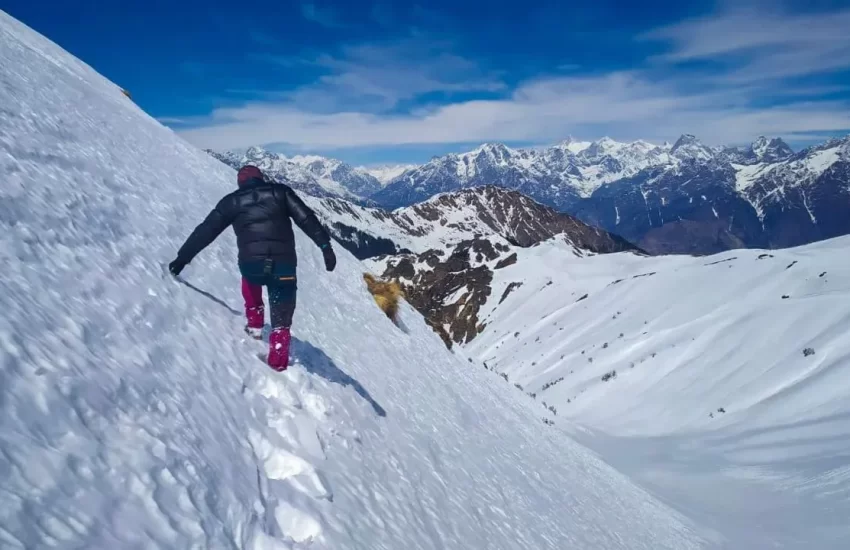
There is a certain type of traveller who wants the Himalayas without quite committing to becoming a mountaineer. Who wants the views — the serious, jaw-dropping, where-am-I kind of views — without the ropes and ice axes and technical rescue scenarios. Lord Curzon, Viceroy of India, was apparently one of them. Because in 1905, when he wanted to see the high Himalayas in their full theatrical glory, this is the route he chose. The Kuari Pass trek. And if it was good enough for the Viceroy, it is probably good enough for the rest of us.
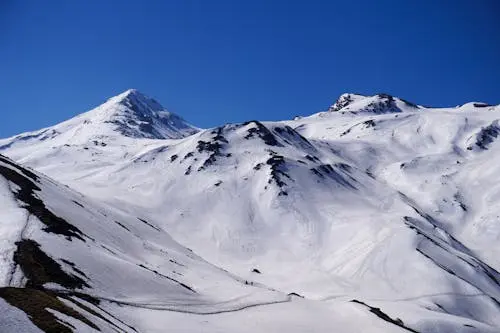
The Kuari Pass sits at 3,640 metres in the Garhwal Himalayas of Uttarakhand, accessible from Joshimath in the Chamoli district. It is classified as moderate — which in Himalayan terms means you do not need to be an athlete, but you do need to have done some walking in your life and not simply assumed that because the views are worth it, the legs will sort themselves out. They will not sort themselves out. Train a little. The pass will reward you enormously.
What makes the Kuari Pass special is not just the pass itself. It is the journey there — through some of the finest oak and rhododendron forest in Uttarakhand, across Gorson Bugyal, one of those alpine meadows that makes you feel the earth has been deliberately beautified for your arrival — and the fact that it is genuinely doable for most people who are reasonably fit and not afraid of walking uphill for several hours at a stretch.
Kuari Pass Trek — At a Glance
| Difficulty | Moderate |
| Best season | October to November · March to May |
| Duration | 4–5 days (from Joshimath) |
| Max altitude | 3,640 metres (Kuari Pass) |
| Trek distance | Approximately 44 km total |
| Starting point | Dhak village, 12 km from Joshimath |
| Permits | None required |
| Trek type | Out and back / loop via Auli |
| Guide required | Yes — strongly recommended |
How Difficult Is the Kuari Pass Trek, Really?
Moderate is a word that gets stretched in both directions by the trekking industry. On the Kuari Pass, it means this: you will walk 8 to 10 kilometres a day on mountain terrain, gaining 600 to 900 metres of altitude on the steeper days. You will sleep at altitude — between 3,000 and 3,640 metres — which means sleep may be lighter than usual and mornings may feel harder than at home. And you will be on your feet for 5 to 6 hours on the bigger days.
That is the honest version. Now for the other side: there are no technical sections. No ropes, no exposed ridges requiring climbing experience, no glacier crossings. The trail is well-established. The campsites are manageable. And unlike some treks in the region, the Kuari Pass does not demand a summit push — you reach the pass, take in one of the finest panoramas in the Indian Himalayas, and descend. The hardest part is not the terrain. It is the altitude, which your body will deal with perfectly well if you acclimatize properly in Joshimath before you start.
Who Should Do This Trek
If you can walk 10 kilometres on flat ground without stopping, you can train for the Kuari Pass trek. Give yourself 4 to 6 weeks of regular hiking — ideally with some elevation gain — before you arrive. You do not need to be a runner or a gym enthusiast. You need to be someone who walks regularly and is not surprised by the concept of effort.
First-timers to Himalayan trekking: yes, this is a suitable starting point. Families with teenagers: yes, if the teenagers are fit and willing. Older trekkers: yes, with appropriate preparation and a guide who knows the pace. Complete beginners who have not walked anywhere in months: give yourself one more season of preparation. The Himalayas are generous, but they do expect you to show up ready.
What to Avoid
Do not attempt the Kuari Pass in July or August. The monsoon turns the trail into a mudslide in places and visibility drops to near zero on many days. The views — which are the entire point — disappear behind cloud. Do not attempt it from December to February without specific winter trekking experience and equipment: the pass will be under deep snow and conditions require a different level of preparation entirely. The sweet spots are October to November for crisp post-monsoon clarity, and March to May for rhododendron bloom and warming temperatures.
Kuari Pass Trek Itinerary from Joshimath
This itinerary assumes you arrive in Joshimath the day before the trek begins — which is not optional. Arriving and starting on the same day is how altitude sickness happens. One night in Joshimath before you climb is the most important thing you will do for this trek.
| Day | Route | Distance | What happens |
|---|---|---|---|
| Day 0 | Joshimath → Joshimath | — | Arrive, check in, rest. Guide briefing in the evening. Hot dinner. Early sleep. |
| Day 1 | Dhak → Gulling / Khullara | 9 km | Drive to Dhak (12 km). Trek begins through oak and rhododendron. First campsite at around 3,100 m. The forest is the story today. |
| Day 2 | Gulling → Tali / Gorson Bugyal | 7 km | The meadow opens up. Nanda Devi appears. You will stop walking and just stare. This is normal. Allow time for it. |
| Day 3 | Gorson → Kuari Pass | 8 km | The pass at 3,640 m. Dronagiri, Kamet, Hathi Parbat, Mana — all in one sweep. Descend to camp below pass. |
| Day 4 | Kuari → Auli / Joshimath | 10 km | Descent via Auli or alternate route back to road. Drive to Joshimath. Hot meal. Long sleep. Done. |
What You Will Actually See
The Forest
The Kuari Pass trek is not just a high-altitude view chase. The first day through the oak and rhododendron forest between Dhak and Gulling is extraordinary in its own right. In March and April the rhododendron is in full bloom — great red and pink explosions against the green. By October the leaves are turning gold. Even in May, when most of the flowering is done, the forest is dense and cool and entirely unlike anything you will find in the plains. Give it your attention. It earns it.
Gorson Bugyal
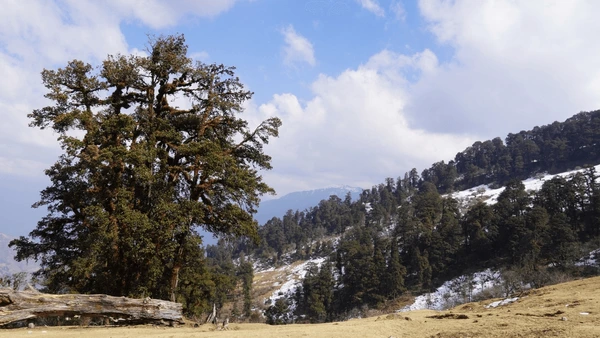
Think of Gorson Bugyal as the Himalayas deciding to show off. The word bugyal means high-altitude meadow, and this one — sitting at around 3,056 metres — opens up like a slow reveal in a good film. You are walking through forest and then, suddenly, you are not. You are standing in a wide green bowl with Nanda Devi at 7,816 metres commanding the horizon and a half-dozen other peaks arranged around her like a supporting cast that would headline any other range in the world.
The Pass Itself
The Kuari Pass at 3,640 metres is where the trek earns its reputation. Lord Curzon stood here 120 years ago and saw what you will see: a panoramic sweep of high Himalayan peaks that is genuinely one of the finest mountain views accessible without technical climbing. Nanda Devi, India’s second highest peak, dominates. But Kamet, Dronagiri, Hathi Parbat, and Mana Parbat crowd around her, each one big enough to be the star of any other skyline. On a clear October morning, you can see peaks standing 80 kilometres away with the naked eye.
Stand there long enough and you will understand why people become mountain people.
What to Pack — Kuari Pass Essentials
Clothing
Layers are everything at altitude. A base layer, a fleece mid-layer, and a good waterproof outer shell. Temperatures at camp can drop to 2 to 5 degrees Celsius even in October. What feels warm in Joshimath will feel thin at 3,400 metres. Trekking trousers — not jeans, which become heavy and cold when wet. Thermal underlayers for night. A warm hat and gloves. Good quality trekking socks — three or four pairs minimum.
Footwear
Proper ankle-support trekking boots, broken in before you arrive. Do not buy new boots in Joshimath and expect them to be comfortable by day two. They will not be. Break them in at home, over a month of walks, before you get on the train.
Everything Else
A good daypack — 25 to 30 litres — for what you carry on the walk each day. A headtorch with spare batteries. Sunscreen, sunglasses, and lip balm — the UV at altitude is significantly stronger than at sea level. A refillable water bottle — 2 litres capacity. Basic first aid: blister kit, paracetamol, altitude sickness tablets (Diamox — discuss with your doctor before the trip). Trekking poles, which your knees will thank you for on the descent. And a camera, or at least a phone with a good lens. You will use it constantly.
Things Not to Do on the Kuari Pass Trek
Skip acclimatization in Joshimath
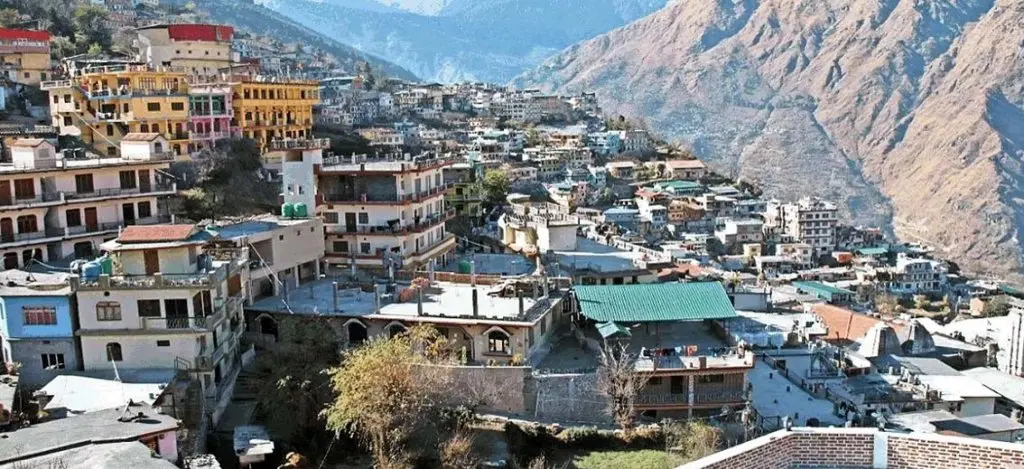
This cannot be said firmly enough. Joshimath is at 6,150 feet. If you are arriving from Delhi or the plains, you are going from near sea level to 6,000 feet in one journey. Your body needs at least one full night — ideally two — before you start climbing. Headaches and broken sleep on your first night in Joshimath are normal. Starting the trek before they pass is not wise. The mountain will still be there on day two.
Underestimate the cold at night
Trekkers arriving in May when Joshimath feels warm are consistently surprised by how cold the campsites get after dark. The thermometer drops fast above 3,000 metres once the sun goes. A sleeping bag rated to minus 5 degrees Celsius is not overcaution. It is the right equipment. Your camping gear provider or trek operator will advise you on what is included and what you need to bring.
Rush the descent
Descents are where most trek injuries happen — tired legs, loose trail, overconfidence that it is all downhill now. The Kuari Pass descent via Auli involves steep sections where pace and attention matter. Follow your guide’s lead. Your knees are not a renewable resource.
Go without a certified local guide
The trail is well-established but not infallible — weather, seasonal snow, and route variations make local knowledge essential. A certified guide knows when conditions have changed, knows the shortcuts and the dangers, and carries the emergency contacts that could matter if something goes wrong. This is not a choice between guided and self-guided. In the Indian Himalayas, for any trek above 3,000 metres, a guide is the responsible choice.
Where to Stay Before and After the Kuari Pass Trek
Every Kuari Pass itinerary begins and ends in Joshimath. The night before is when you brief with your guide, check your kit, eat a proper meal, and sleep at altitude for the first time. The night after is when you return from Dhak or Auli, muddy and exhilarated and done, and the only thing standing between you and sleep is a hot shower and a hot dinner.
Both nights matter. The before night sets you up for everything that follows. The after night is the full stop on one of the best things you will have done in the mountains.
Blackberry Cottages & Resort at Auli Laga, Joshimath offers Kuari Pass Trek + Stay packages with accommodation, hot meals, certified guide briefing, and packed breakfast for day one. We are twelve kilometres from Dhak village — your trek starting point — and have hosted trekkers on this route across multiple seasons.
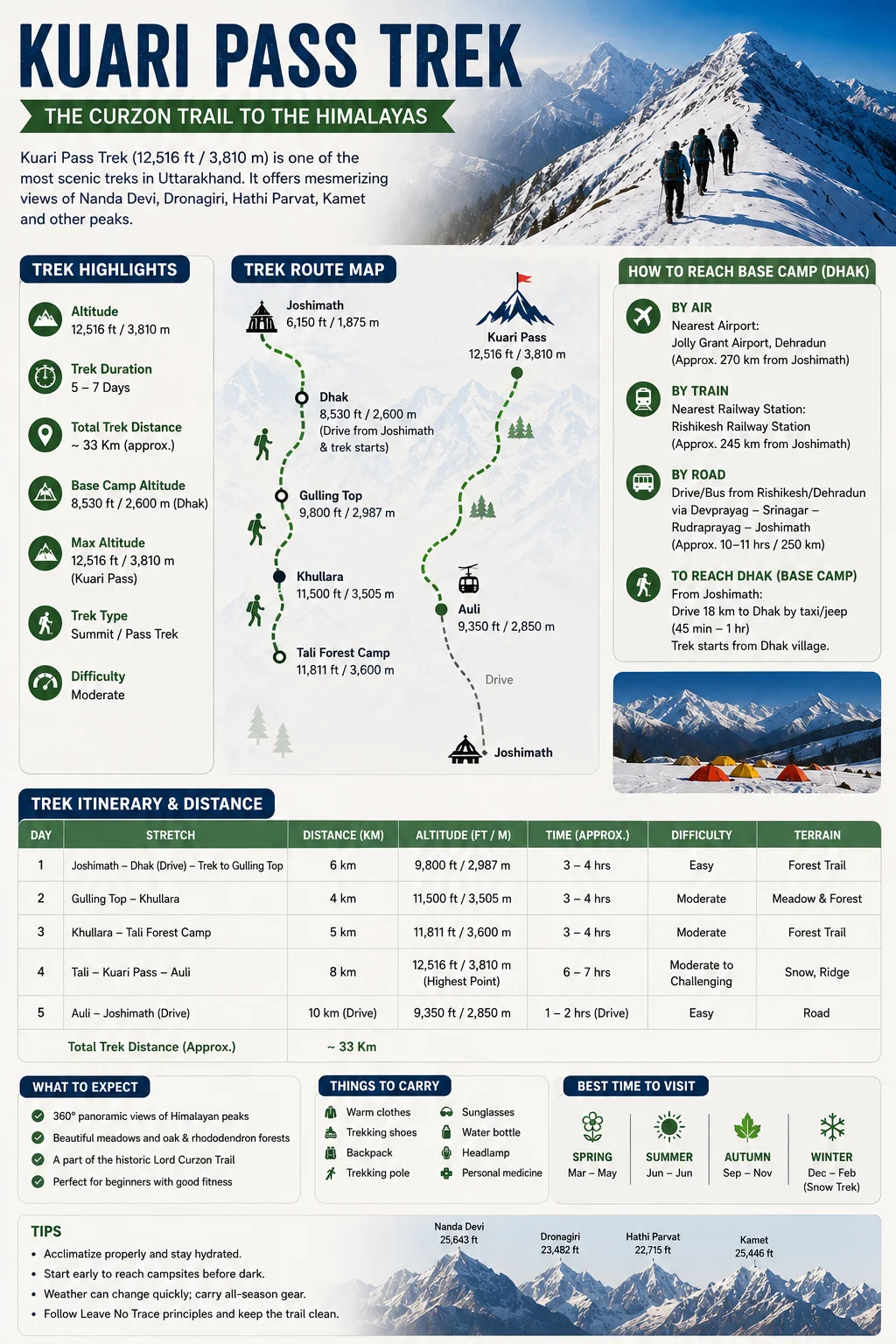
Complete Kuari Pass Trek info in Short
Check availability and fixed departure dates at blackberrycottagesauli.com or reach us directly on WhatsApp.
