
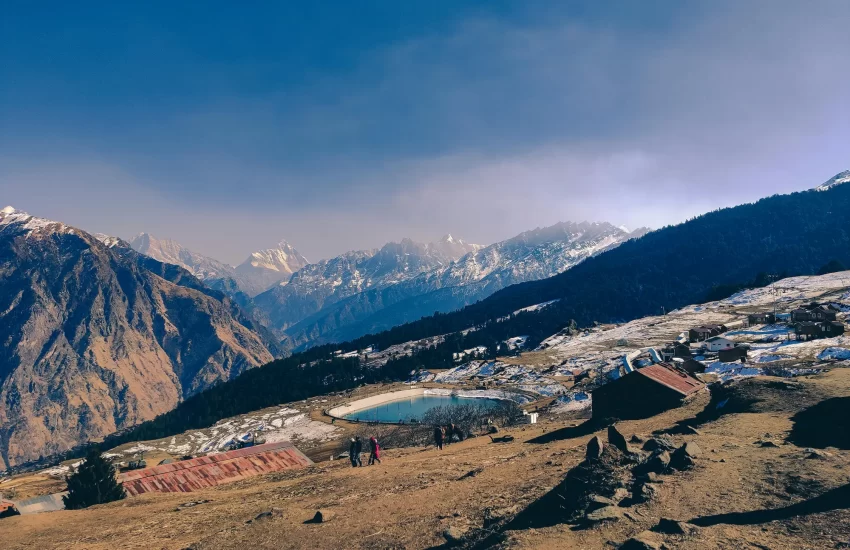
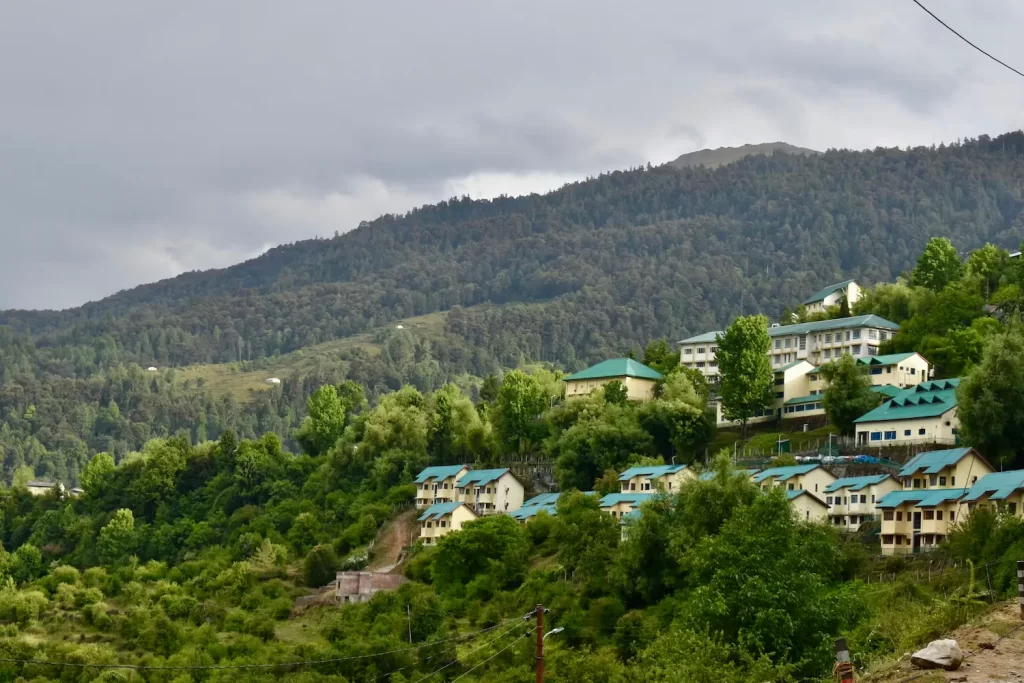
Sometimes a geography lesson is the only way in. Joshimath sits at 6,150 feet, a height your body will generally tolerate without complaint. Auli’s top station is at 8,200 feet, where some travellers begin to feel the difference. Badrinath is higher still at roughly 10,280 feet, and the trailheads for Kuari Pass, Pangarchulla, the Valley of Flowers and Hemkund Sahib climb well beyond that, into territory where the air is thinner than most visitors from Delhi, Mumbai or Bengaluru have ever breathed. Altitude sickness is not a rare misfortune that happens to unlucky trekkers. It is a predictable physiological response to a predictable change in elevation, and it happens to fit, unfit, young and old travellers in roughly equal measure.
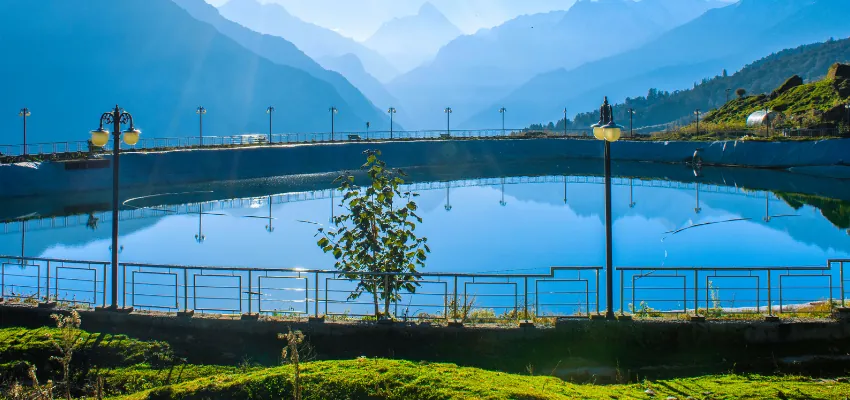
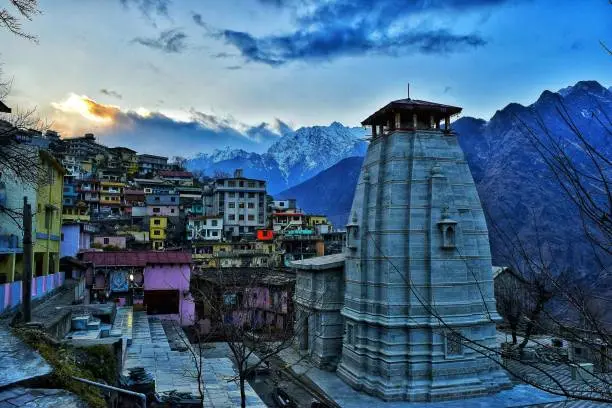
That last point surprises people every year. Altitude sickness has almost nothing to do with fitness and almost everything to do with the speed of your ascent and the workings of your own individual physiology, which no amount of gym training can forecast. The traveller who runs marathons and the traveller who does not exercise at all are, broadly speaking, equally likely to feel the effects of altitude on the road to Auli or Badrinath. What protects you is knowledge, pace and a plan — not a fitness certificate.
This guide covers what altitude sickness actually is, the altitudes around Auli and Joshimath that matter, how to recognise the mild, moderate and severe stages, what genuinely works for prevention, what to do if it happens to you or someone in your group, and the specific warning signs that mean you stop debating and start descending.
A note before we begin: this guide is written from years of hosting guests on their way to Auli, Badrinath, Kuari Pass and the Valley of Flowers, and it reflects widely accepted mountain medicine guidance. It is not a substitute for professional medical advice. If you have a heart, lung or blood pressure condition, are pregnant, or have had a serious reaction to altitude before, speak to a doctor experienced in travel or high-altitude medicine before you book your trip.
Altitude Sickness — At a Glance
| What it is | Acute Mountain Sickness (AMS), caused by reduced oxygen availability at higher elevation |
| Onset altitude | Generally above 2,500 metres (8,200 feet) — roughly Auli’s top station and above |
| Onset time | Typically 6 to 24 hours after arrival at altitude |
| Who gets it | Anyone — fitness level is not protective; individual physiology and ascent speed matter far more |
| Mild symptoms | Headache, mild nausea, fatigue, poor sleep, loss of appetite |
| Serious forms | HACE (High Altitude Cerebral Oedema) and HAPE (High Altitude Pulmonary Oedema) — both medical emergencies |
| First-line treatment | Stop ascending, rest, hydrate; descend if symptoms worsen or do not improve |
| Golden rule | Never ascend further while symptomatic — and never leave a symptomatic person alone |
What Altitude Sickness Actually Is
The air at altitude has the same 21 percent oxygen as at sea level — what changes is the air pressure, which drops as you climb, meaning each breath delivers fewer oxygen molecules to your lungs. Your body responds by breathing faster and deeper, and over a few days it produces more red blood cells to carry oxygen more efficiently. This process is called acclimatization, and it is entirely normal. Altitude sickness happens when you climb faster than your body can adjust — you arrive at a height before your physiology has had time to catch up, and the mismatch shows up as symptoms.
In its mild form this is called Acute Mountain Sickness, or AMS, and it is extremely common — a large proportion of travellers who ascend quickly to altitudes above 2,500 to 3,000 metres feel some version of it, usually a headache and a general sense of being under the weather. In its serious forms, altitude sickness becomes HACE, where fluid accumulates around the brain, or HAPE, where fluid accumulates in the lungs. Both are medical emergencies that can be fatal within hours if not treated with immediate descent. They are also, importantly, rare when travellers ascend sensibly and pay attention to their own symptoms along the way.
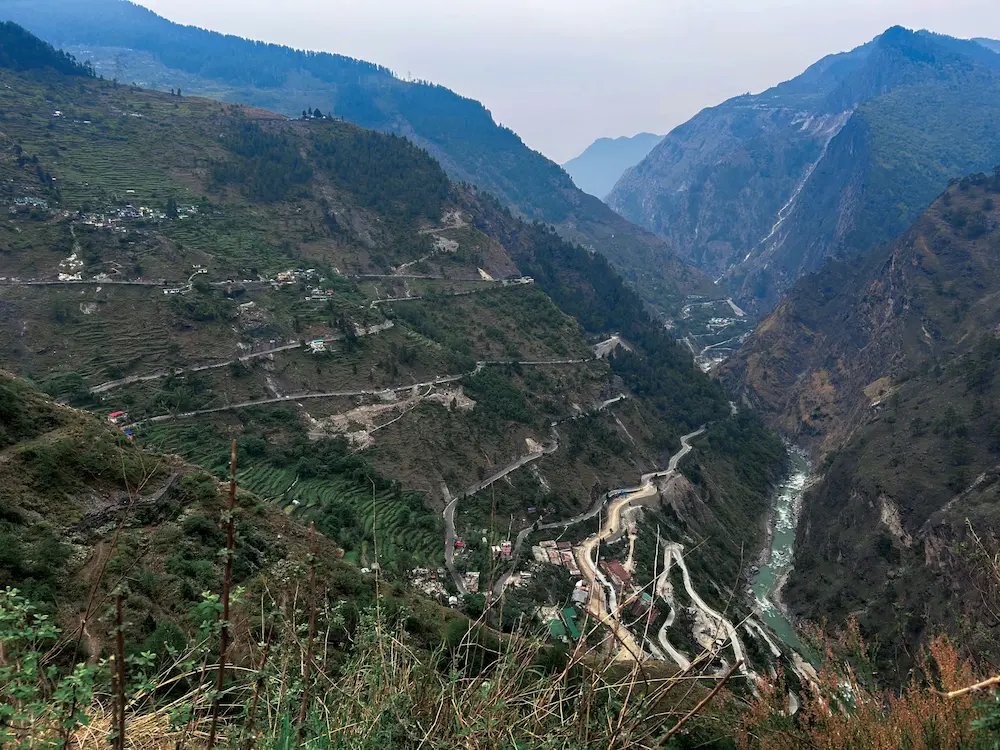
The Altitudes That Matter Around Auli and Joshimath
| Location | Altitude | Altitude sickness risk |
| Rishikesh / Haridwar | Approximately 340 metres | Negligible |
| Joshimath | 1,875 metres (6,150 feet) | Low — most travellers feel no effect here |
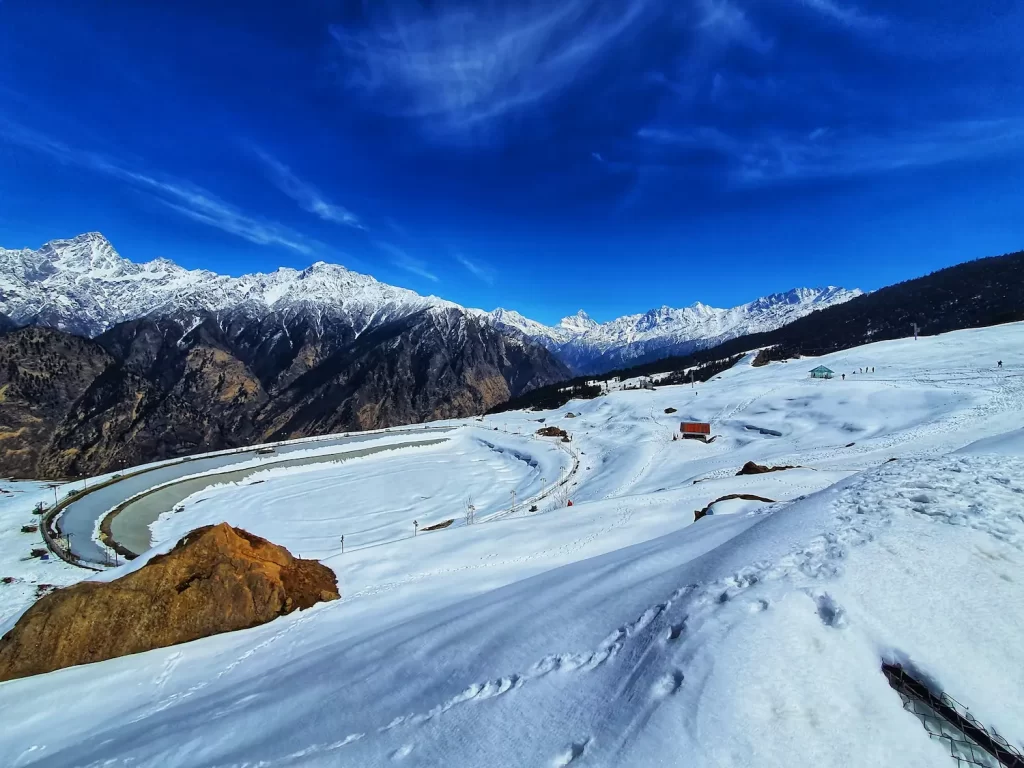
| Auli (top station) | 2,519 metres (8,200 feet) | Mild symptoms possible, especially with rapid ascent |
| Gorson Bugyal | 3,056 metres (10,026 feet) | Mild symptoms possible on exertion |
| Badrinath | Approximately 3,133 metres (10,280 feet) | Moderate — this is where symptoms become more common |
| Govindghat | 1,828 metres | Low |
| Valley of Flowers | Approximately 3,600 metres | Moderate to significant |
| Hemkund Sahib | 4,329 metres (14,200 feet) | Significant — one of the higher points most travellers reach |
| Kuari Pass | Approximately 3,800 metres (12,500 feet) | Significant |
| Pangarchulla summit | Approximately 4,500 metres (14,700 feet) | Significant |
Notice the pattern. Joshimath, at 6,150 feet, is comfortably below the altitude where most people feel anything — which is precisely why it works so well as a base. The problems tend to begin above Auli’s top station, and become genuinely relevant at Badrinath, Hemkund Sahib, the Valley of Flowers and the higher trek passes. If your itinerary includes any of these, this guide is for you.
Recognising Altitude Sickness — Symptoms by Severity
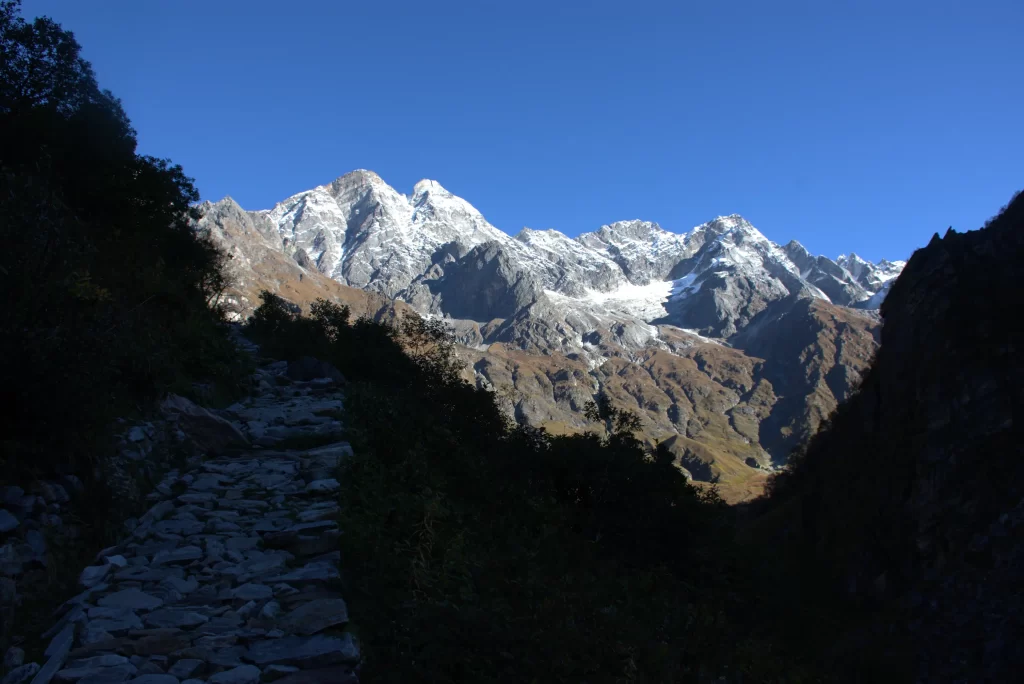
Mild AMS looks like a bad hangover with a mountain view attached — a persistent headache, mild nausea, unusual fatigue, poor appetite and disrupted sleep, all appearing within the first day at a new altitude. Most travellers experience some version of this at Auli, Badrinath or the higher trek points, and it typically resolves within 24 to 48 hours if you stop ascending and let your body catch up. This is your body telling you to slow down, not a reason to panic.
Moderate AMS is mild AMS that is getting worse rather than better — the headache is not responding to rest and paracetamol, the nausea becomes vomiting, fatigue becomes difficulty with ordinary tasks, and a sense of general unwellness dominates the day. At this stage the correct response is to stop ascending entirely, and to seriously consider descending to a lower altitude rather than waiting it out.
Severe AMS and the emergency forms — HACE and HAPE — present with symptoms that go well beyond a bad day. Confusion, loss of coordination or an inability to walk in a straight line (ataxia), severe breathlessness even at rest, a cough that produces frothy or pink-tinged sputum, and a persistent, severe headache that does not respond to anything are all signs of a genuine emergency. These require immediate descent and urgent medical attention — not a wait-and-see approach, not a night’s rest, immediate action.
Things to Do to Prevent Altitude Sickness
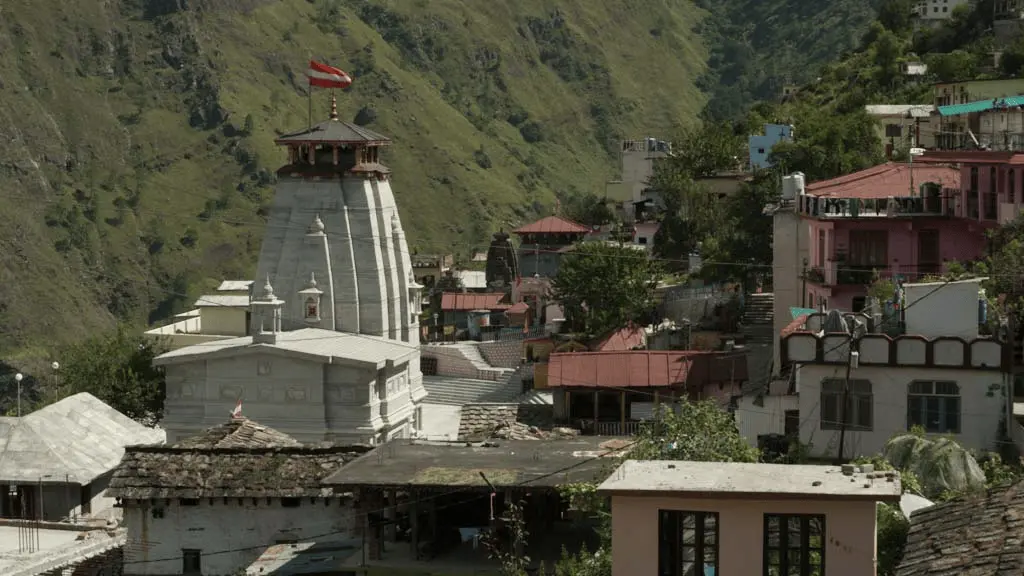
Ascend gradually wherever your itinerary allows it. The single most effective thing you can do is give your body time. Spending a night in Joshimath at 6,150 feet before going higher to Auli, Badrinath or a trek trailhead allows meaningful acclimatization to begin before you climb further. Avoid itineraries that take you from near sea level to above 3,000 metres in a single day if you have any choice in the matter.
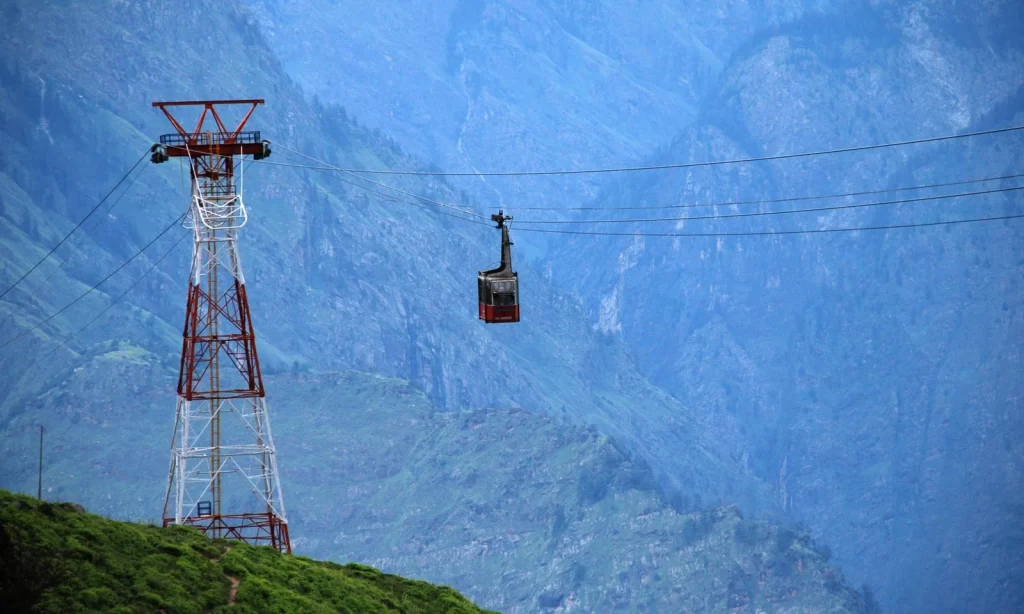
Do a short acclimatization walk before any serious climb. If you are heading to Kuari Pass, Pangarchulla or the Valley of Flowers, spend a day walking up to altitude and back down before you commit to the multi-day trek itself. Our Gorson Bugyal trek guide covers exactly this — a gentle 3-kilometre walk from the Auli cable car top station to a 3,056-metre alpine meadow, which is the finest half-day acclimatization exercise in the region. You climb to altitude during the day and sleep back down in Joshimath at night, which is precisely the “climb high, sleep low” principle that makes acclimatization work.
Hydrate consistently, and more than feels necessary. Altitude increases fluid loss through faster breathing and drier mountain air, and dehydration mimics and worsens altitude sickness symptoms. Aim for at least 3 to 4 litres of water a day above 2,500 metres, spread through the day rather than in large amounts at once.
Talk to your doctor about Diamox (acetazolamide) before you travel. Acetazolamide is a widely used prophylactic medication that speeds up acclimatization and is commonly prescribed for travellers heading to Badrinath, Hemkund Sahib, the Valley of Flowers or the higher trek routes. It requires a prescription and a conversation with your doctor about dosage, timing and whether it is appropriate for you — do this well before your trip, not the morning you leave.
Eat light, carbohydrate-rich meals and avoid alcohol for the first 48 hours at altitude. Alcohol impairs your breathing response and worsens dehydration, both of which work directly against acclimatization. A first night at Joshimath or Auli is not the moment for celebratory drinks, however good the mountain air makes you feel.
Know your own history. If you have had altitude sickness before, you are more likely to get it again, and knowing this in advance lets you plan a more conservative ascent, carry appropriate medication, and watch your symptoms more carefully than a first-time traveller might.
Things Not to Do
Ignore a headache because you feel otherwise fine. A headache at altitude is the most common and most dismissed early symptom there is. Travellers who feel generally well and write off a mild headache as tiredness from the journey sometimes find it develops into something more serious overnight. Take it seriously from the first sign, not the third.
Push on to a higher point because the itinerary says so. No itinerary, tour schedule or personal ambition is worth ascending further while you are symptomatic. If you feel unwell at Auli or on the way to Badrinath, the schedule can wait. Your acclimatization cannot be rushed by willpower.
Travel alone to altitude without telling anyone your plan. Altitude sickness, particularly its serious forms, can affect judgement — a person with HACE frequently does not recognise how unwell they are and may insist they are fine when they clearly are not. Travelling with others, or at minimum keeping your accommodation informed of your plans, means someone is watching for the signs you might miss in yourself.
Assume a good night’s sleep will fix serious symptoms. Mild AMS often does improve with rest. Confusion, severe breathlessness or an inability to walk steadily are a different category entirely, and “sleeping it off” is exactly the wrong response — these symptoms require immediate descent, not another night at the same altitude.Rely on oxygen cylinders as a substitute for descent. Supplemental oxygen can ease symptoms temporarily, and vehicles and lodges along the Char Dham route often carry it for exactly this reason. But oxygen treats the symptom, not the underlying problem of being at an altitude your body has not adjusted to. It buys time to descend safely. It is not a reason to stay higher or go higher.
OVERRATED
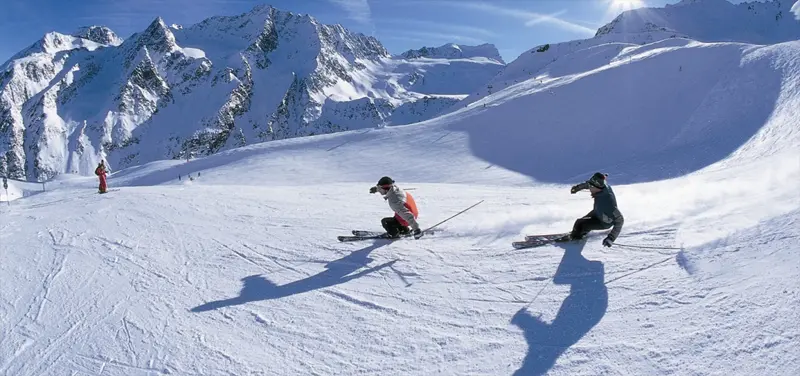
The idea that being fit protects you. This is the single most persistent myth about altitude sickness, and it is simply not supported by mountain medicine. Marathon runners get AMS. Unfit travellers sometimes sail through a Badrinath ascent without a symptom. Genetics, hydration, ascent speed and individual physiology matter far more than your gym record. Do not let fitness give you false confidence about skipping acclimatization time.
Diamox as a guaranteed fix. Acetazolamide is genuinely useful and widely recommended by doctors for high-altitude travel, but it reduces risk — it does not eliminate it, and it is not a substitute for gradual ascent, hydration and paying attention to your symptoms. Travellers who take Diamox and then ascend recklessly because they feel “protected” are not using it correctly.
Home remedies and folk cures over proper medical response. Garlic, specific herbal teas and various local remedies are offered with good intentions along the Char Dham route, and some may offer minor comfort. None of them treat HACE or HAPE, and none of them are a substitute for descent and medical attention if symptoms are moderate or severe. Enjoy the ginger tea. Do not stake your safety on it.
What to Do If Altitude Sickness Happens — Treatment by Severity
| Severity | Response |
| Mild AMS | Stop ascending. Rest at the same altitude. Hydrate. Take paracetamol for headache (avoid sedatives). Reassess after 24 hours — if improving, proceed cautiously; if not, treat as moderate. |
| Moderate AMS | Stop ascending immediately. Consider descending 300 to 500 metres. Continue hydration and rest. Seek medical advice if available. Do not proceed higher until fully resolved. |
| Severe AMS / suspected HACE or HAPE | Descend immediately, regardless of time of day or weather. Administer supplemental oxygen if available while arranging descent. Seek emergency medical attention without delay. Do not wait to see if it improves. |
When to Worry — Red Flags That Mean Descend Now
Confusion or unusual behaviour in yourself or a travel companion is one of the clearest signs of HACE and should never be dismissed as tiredness or a language barrier with a local guide. Loss of coordination — an inability to walk heel-to-toe in a straight line, stumbling on flat ground — is a specific and reliable warning sign doctors use to assess HACE risk. Breathlessness at rest, not just on exertion, along with a persistent cough or a gurgling sound in the chest, points toward HAPE. A headache that does not respond to rest, hydration or paracetamol, particularly one that is worsening rather than improving, should be treated as a serious symptom rather than an inconvenience. If any of these appear, the response is the same regardless of what else is on your itinerary: descend, and get medical help.
Altitude Sickness — Quick Answers
Does everyone get altitude sickness in Auli or Joshimath? No. Joshimath, at 6,150 feet, rarely causes any symptoms at all. Auli’s top station, at 8,200 feet, can cause mild symptoms in some travellers, particularly with a fast ascent, but the majority feel nothing more than mild breathlessness on exertion.
Do I need Diamox for a trip to Auli and Badrinath? Many travellers heading to Badrinath, Hemkund Sahib or the Valley of Flowers do take it on their doctor’s advice, since these points sit above 3,000 metres. For Auli alone, most healthy travellers do not need it, but this is a conversation to have with your doctor based on your own history and itinerary.
How long does altitude sickness last? Mild AMS typically resolves within 24 to 48 hours once you stop ascending and rest. Symptoms that persist or worsen beyond this point need medical attention rather than more waiting.
Can children or older travellers get altitude sickness? Yes, at broadly similar rates to other age groups, though both may take symptoms less seriously or communicate them less clearly. Watch children and older family members closely for the early signs rather than waiting for them to report discomfort themselves.
How Blackberry Cottages Can Help
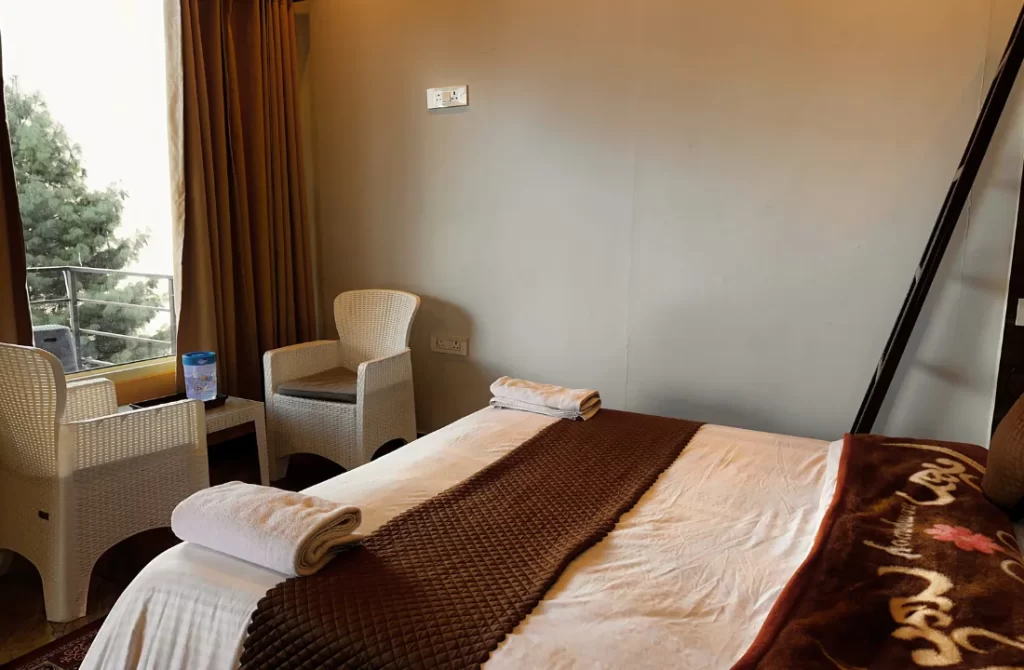
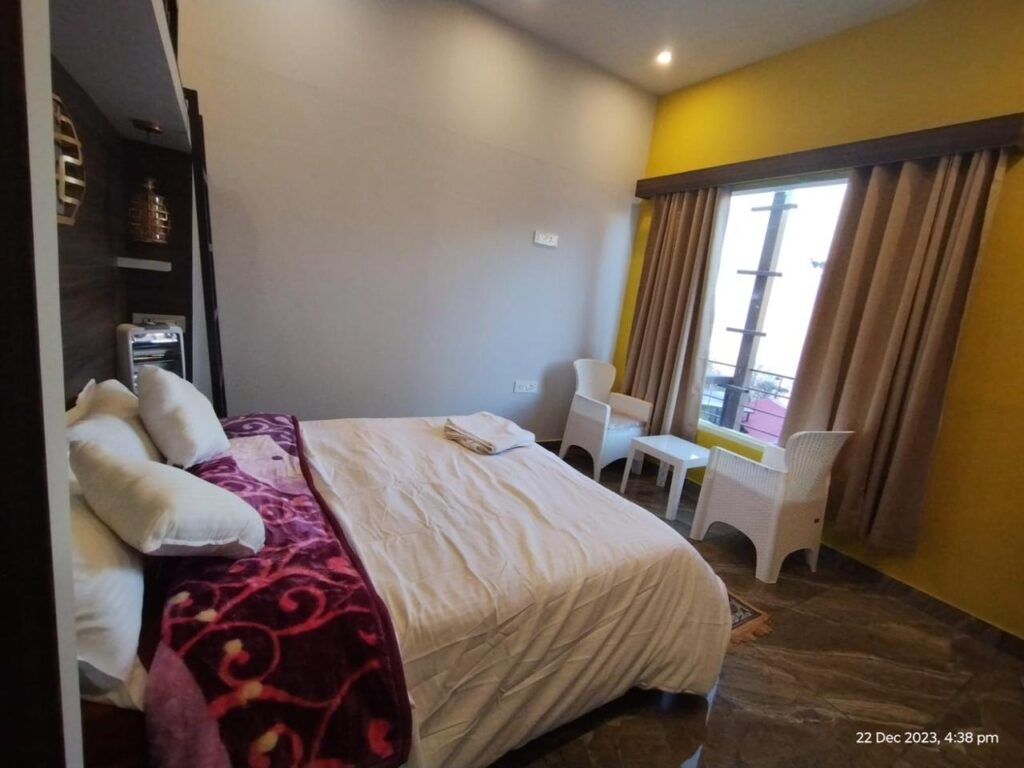
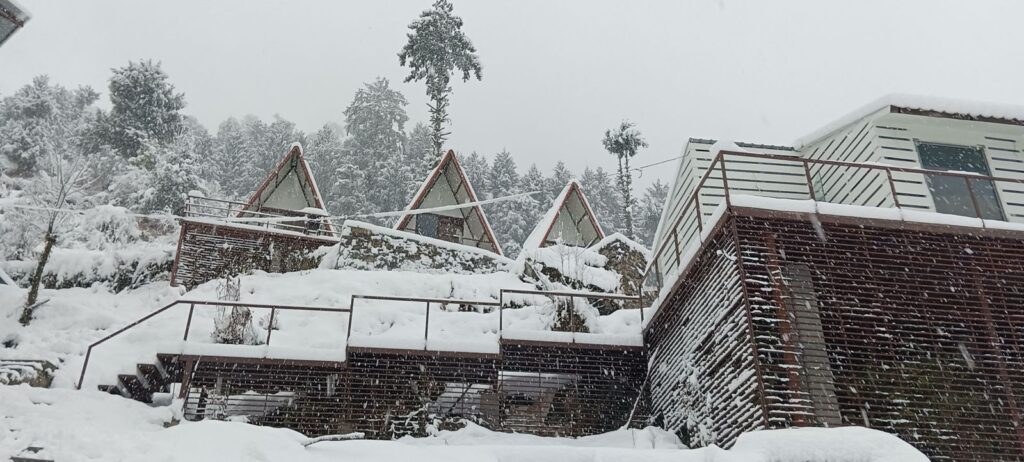
Blackberry Cottages & Resort sits at Auli Laga, Joshimath, at 6,150 feet — an altitude that works in your favour, since it lets you sleep comfortably below the altitudes where symptoms typically begin while still being a short cable car ride from Auli and a short drive from every major trailhead in the region. This is not an accident of location. Joshimath’s altitude is precisely why serious trek operators, pilgrims and travel planners use it as the acclimatization base for the entire region, and it is why we have built our stay around it.
Our team has spent years watching guests move through exactly this acclimatization process — arriving from Delhi or Dehradun, spending a night at Joshimath’s manageable altitude, and then heading up to Auli, Badrinath or the trek trailheads with a body that has had time to adjust. We can advise on a sensible pacing for your specific itinerary, keep an eye on any guest who mentions feeling unwell at altitude, and arrange a vehicle for descent without delay if it is ever needed — day or night. If your plans include Badrinath, Hemkund Sahib, the Valley of Flowers, Kuari Pass or Pangarchulla, talk to us when you book. We would rather help you plan two extra acclimatization days than have you push through symptoms you should not be pushing through.
For advice on pacing your itinerary or booking your stay, reach us at blackberrycottagesauli.com or on WhatsApp.
