
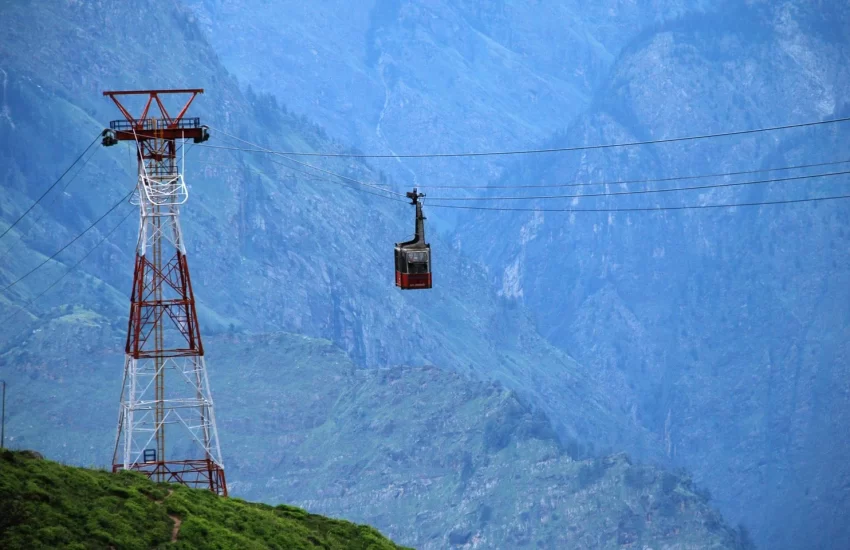
There are cable cars and there are cable cars. Most of them are a means to an end — a way of getting from the bottom of a mountain to the top without walking, in a cabin that smells faintly of wet ski gear and moves too quickly to see much. And then there is the Joshimath to Auli gondola, which is something else entirely. At 4 kilometres it is one of the longest ropeways in Asia. It rises from Joshimath at 6,150 feet to the Auli top station at 8,200 feet in approximately 25 minutes, through pine forest that gives way to open alpine terrain, with the Garhwal Himalayan panorama — Nanda Devi at 7,816 metres, Kamet, Mana Parbat, Dronagiri — appearing through the gondola windows one peak at a time as you climb. It is not the transfer to the attraction. It is the attraction.
Most visitors to Joshimath know the cable car exists. Most of them ride it once, look at the view from the top station for twenty minutes, and come back down. Which is a little like reading only the first chapter of a very good book. The cable car to Auli is the beginning of everything above Joshimath — the ski slopes in winter, the Gorson Bugyal meadow walk in summer, the acclimatization day before a bigger trek, the finest viewpoint accessible without effort in the entire Chamoli district. Understanding what it offers, when it runs, and how to use it properly is what this guide is for.
This guide covers everything about the Auli cable car — the technical details, the timings, the ticket process, the views by season, what to do at the top, how to use it for acclimatization, and the things that most cable car guides simply forget to mention.
Auli Cable Car — The Numbers…
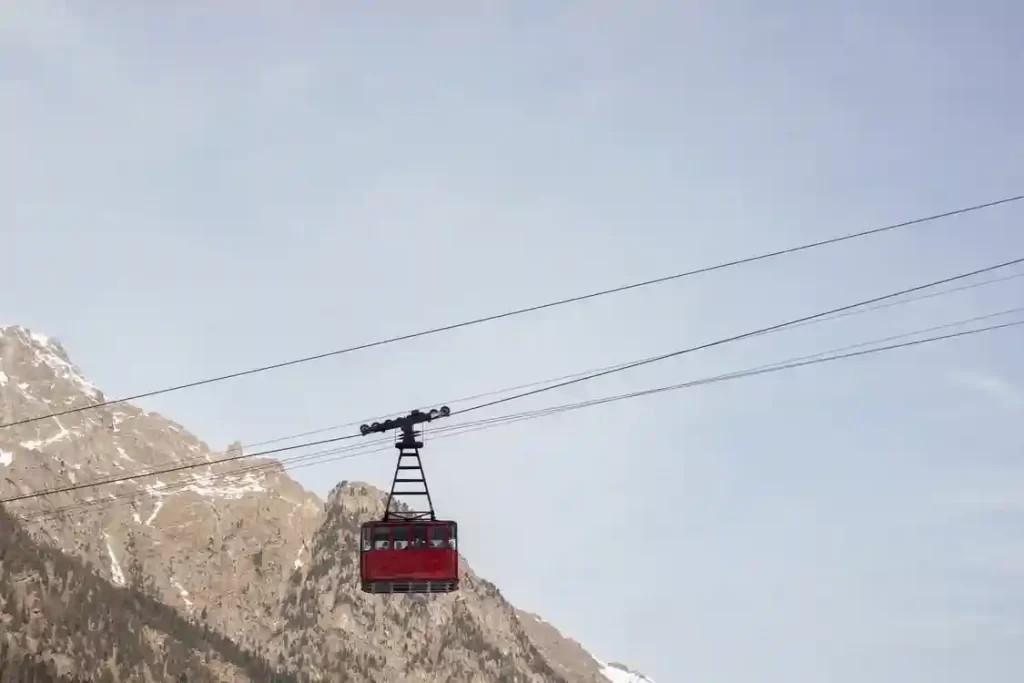
| Official name | Joshimath–Auli Ropeway | |
| Operated by | GMVN — Garhwal Mandal Vikas Nigam | |
| Total length | 4.15 kilometres — one of Asia’s longest ropeways | |
| Lower station | Auli Laga, Joshimath — 6,150 feet (1,875 metres) | |
| Upper station | Auli top station — 8,200 feet (2,519 metres) | |
| Altitude gain | 2,050 feet (625 metres) in 25 minutes | |
| Journey time | Approximately 25 minutes one way | |
| Cabin capacity | Up to 10 passengers per cabin | |
| Operating hours | Approximately 8 am to 5 pm — check locally for current timings | |
| Season | Year-round with periodic maintenance closures — always verify before visiting | |
| From Blackberry | Blackberry Cottages is at Auli Laga — a short walk from the lower station | |
A Small Geography Lesson — What You Are Actually Riding Through…
The Joshimath to Auli ropeway was constructed by GMVN and has been operating since 1993 — making it one of the earliest high-altitude ropeways in India and, at the time of its construction, a genuinely ambitious piece of engineering in the Garhwal Himalayas. The 4.15 kilometre route rises through three distinct ecological zones in 25 minutes. The lower section passes over the town of Joshimath itself — you look down at the terraced fields and the red rooftops and the Alaknanda valley far below. The middle section enters the pine and oak forest that covers the slopes between town and alpine terrain — in spring the rhododendron here is in full bloom. The upper section emerges from the forest into open alpine meadow, and the Garhwal Himalayan panorama arrives all at once through the gondola windows.
Nanda Devi at 7,816 metres — India’s second highest peak and the highest mountain lying entirely within the country — is visible from the upper section on a clear day as the dominant presence on the northeastern horizon. Kamet at 7,756 metres appears to the north. Mana Parbat, Dronagiri and Hathi Parbat complete the sweep. The view from the Auli top station on a clear October morning, with post-monsoon visibility at its maximum, is one of the finest accessible mountain panoramas in India. The cable car delivers you to it in 25 minutes from Joshimath.
Timings and Tickets — The Practical Details…
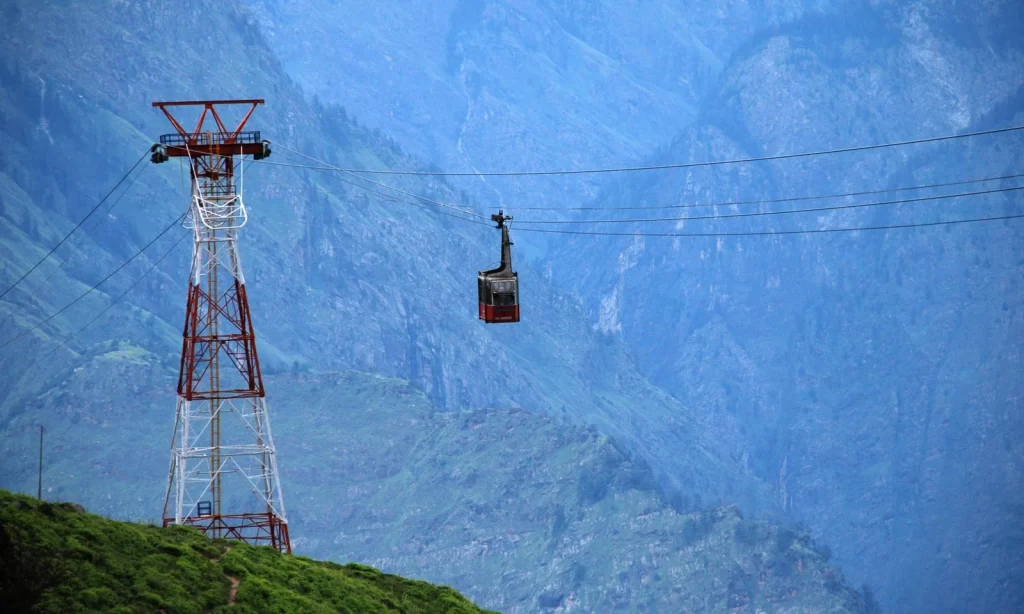
The cable car operates year-round with periodic maintenance closures — the timing and duration of which are not always announced far in advance. Always verify that the ropeway is operational before planning a day around it, particularly if you are visiting outside peak season. Your accommodation in Joshimath will know the current operational status.
| Operating hours | Approximately 8 am to 5 pm daily — first cabin departs around 8 am, last return around 5 pm |
| Frequency | Cabins depart regularly — no fixed timetable, just arrive and queue for the next departure |
| Ticket type | Return ticket available at the lower station counter — one-way tickets also available |
| Ticket cost | Prices vary seasonally and are revised periodically — check current rates at the station on arrival |
| Where to buy | Ticket counter at the lower station in Auli Laga, Joshimath — cash and UPI both accepted |
| Queue | Peak season (May, ski season January-February) can have queues at the lower station · arrive early to avoid the mid-morning rush |
| Maintenance closures | The ropeway undergoes annual maintenance — typically in the pre-season period · check locally |
| Cancellation | The cable car may suspend operations in high wind or poor visibility — mountain weather decisions are non-negotiable |
One practical note that saves frustration: the cable car operates on mountain time, not city time. If the weather at the top station is poor — high wind, low cloud, visibility below a safe operating threshold — the operations team will suspend the cable car. This is not a policy failure. It is correct mountain safety management. If this happens on your planned day, it is worth waiting an hour and checking conditions again rather than abandoning the visit entirely — conditions in the Garhwal Himalayas change fast in both directions.
The Views — What You See and When…
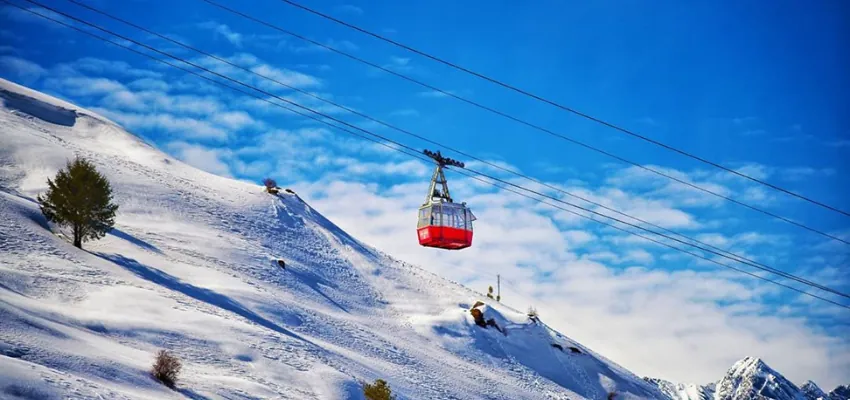
The views from the Auli cable car and the Auli top station are different in every season, and each version is worth knowing about before you ride.
April and May — rhododendron season. The forest on the middle section of the cable car route is in full rhododendron bloom in April — great red and pink flowers against the pine, visible through the gondola windows as you pass through. At the top station the meadow is beginning to green and the peaks are clear in the pre-monsoon sky. This is the cable car at its most colourful — the combination of rhododendron below and white Himalayan peaks above is one of the finest visual sequences of the entire year.
June — pre-monsoon clarity. The skies are still clear in early June and the views from the top station are excellent. From mid-June the monsoon begins building cloud over the peaks in the afternoon — morning rides in June give you better visibility than afternoon ones.
July and August — monsoon season. The cloud cover in the monsoon is persistent and the Himalayan panorama from the top station is frequently obscured for days at a stretch. The cable car still runs when weather permits, but July and August are the months most likely to result in a top station visit where the peaks are invisible behind cloud. Not the time to plan a specific view trip — though the forest on the middle section is lushly green and the ride itself is still worth doing.
September and October — the finest season for views. Post-monsoon clarity makes October in particular the finest month for the Auli cable car view. The visibility can extend 80 kilometres on a clear morning — peaks that are hazy in summer become crisp and perfectly defined. The forest below the top station turns gold and rust in October. The sky is a deep post-monsoon blue that photographs cannot quite capture. If you can only do the cable car in one season, October is it.
November to March — winter. The cable car in winter passes through snow-covered pine forest with the peaks showing sharply above the white landscape. The top station in January and February is the entry point to the ski slopes — the gondola is at its busiest in the ski season and queues at the lower station can build through the morning. The winter view — snow below, peaks above, the specific quality of cold clear winter Himalayan light — is entirely different from the summer version and equally worth seeing.
Things to do at the Auli top station…
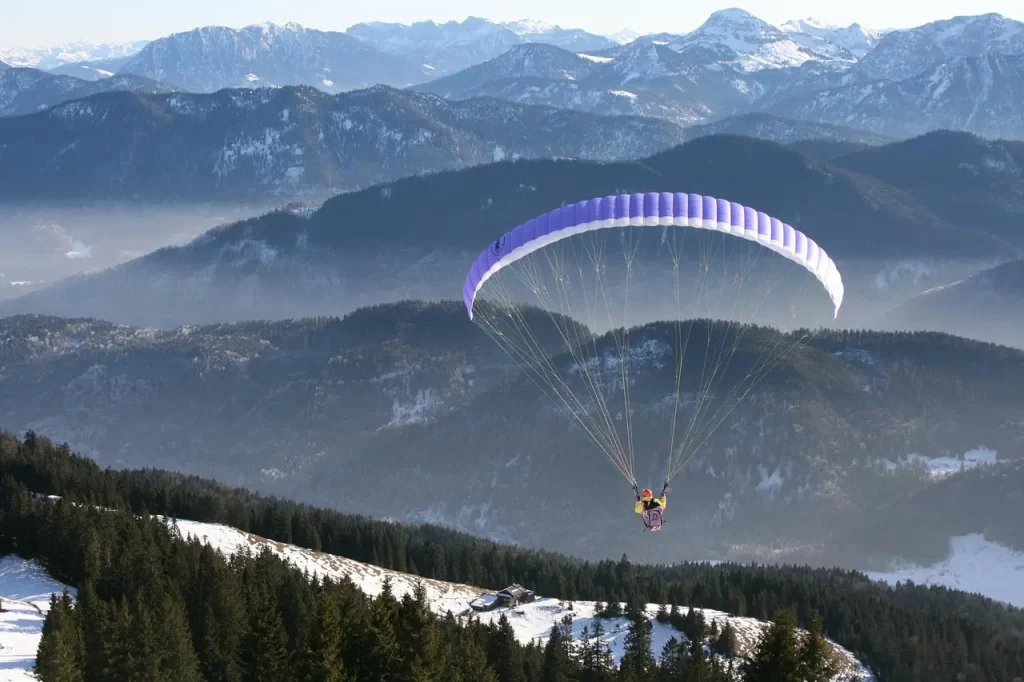
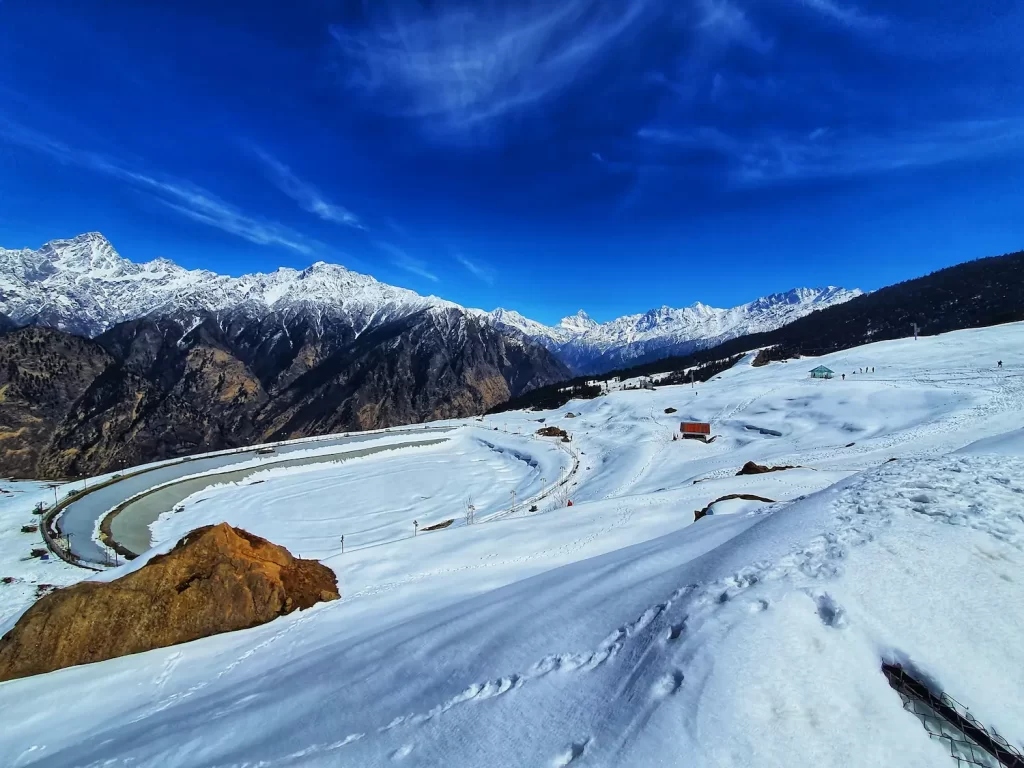
Walk to Gorson Bugyal — 3 kilometres from the top station through oak and rhododendron forest to one of Uttarakhand’s finest alpine meadows at 3,056 metres. The walk takes 2 to 3 hours at a relaxed pace and delivers a view of Nanda Devi, Kamet and the full Garhwal panorama from a wide open meadow bowl. This is the experience that most cable car visitors miss by turning back at the top station. The meadow is the point. The top station is the beginning. Walk to the meadow.
Stand at the top station and look properly — this sounds like it requires no instruction. It does, because the instinct at a viewpoint is to look, photograph, and move on. The Himalayan panorama from the Auli top station requires more than that. Give it fifteen minutes of uninterrupted attention — no camera, no phone — and the scale of what is in front of you will establish itself in a way that photographs never manage. Nanda Devi at 7,816 metres from a standing point at 8,200 feet is a different visual experience from the same mountain seen from a photograph.
Walk to the artificial lake — a short walk from the top station leads to the artificial lake built as a reservoir for Auli’s snow cannon system. In summer it is a pleasant circuit through meadow with good views. In winter it is frozen and surrounded by snow and the walk around it is one of those gentle winter experiences that requires no equipment beyond warm boots and the right layers. Allow 30 minutes for the circuit.
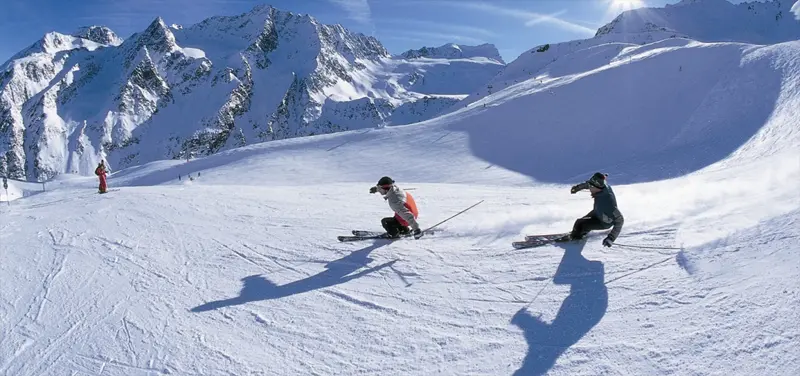
Ski, in winter — the top station is the entry point to Auli’s ski slopes. The chairlift to the upper runs and the drag lifts on the main slope both operate from the top station area. If you are coming specifically to ski, the cable car is your morning commute to the slopes and your evening ride home. The 25 minute gondola with ski equipment is considerably more civilised than a chairlift in open air — bring your poles inside the cabin rather than trying to manage them through the gondola door.
Use it as your acclimatization day before a trek — the cable car up to 8,200 feet, the walk to Gorson Bugyal at 10,026 feet, and the cable car back to sleep in Joshimath at 6,150 feet is the textbook acclimatization day for anyone preparing for the Kuari Pass, Pangarchulla or any higher-altitude trek. You push to altitude during the day, your body begins adjusting, and you return to sleep at a lower altitude — the climb-high-sleep-low principle that makes acclimatization work. And the day is not wasted on exercise for its own sake. It is one of the finest half-days available from Joshimath.
Things not to do on the Auli cable car…
Sit on the wrong side of the gondola. The best views of Nanda Devi and the main Himalayan panorama are from the right side of the gondola on the ascent — as you climb from Joshimath to Auli, position yourself on the right side facing uphill for the best angle on the peaks as they appear. On the descent, the left side gives you the valley views down the Alaknanda. Sit down, pick a window, and stay at it. The 25 minutes pass faster than expected.
Look at your phone for the ride. This requires no further explanation and yet it happens on every cable car in the world. Twenty-five minutes. Asia’s longest ropeway. Nanda Devi appearing through the window. The rhododendron forest below in April. The snow-covered pines in January. Put the phone down. Look out the window. Take photographs if you must but look first, photograph second.
Assume the top station is the destination. The Auli top station is a cable car terminal with a ticket office and a view. The destination — the full alpine Auli experience — is Gorson Bugyal, 3 kilometres further up the forest trail. Every person who has walked to the meadow and every person who has turned back at the top station consistently reports the same thing: the meadow is worth the walk. It is 3 kilometres. It takes 2 hours. The view from the meadow is larger, higher and more open than the view from the top station. Walk to the meadow.
Plan the day around the cable car without checking it is running. The ropeway undergoes maintenance closures and can suspend operations in poor weather. If your entire day plan depends on the cable car being operational, verify it is running before you commit to the plan. Your accommodation will know the current operational status. A five-minute conversation the evening before saves a wasted morning journey to the lower station.
Go to the top in heavy cloud and blame the cable car for the view. The Himalayan panorama from Auli requires clear conditions. In the monsoon, in heavy cloud, on days when the visibility is low, the peaks disappear entirely and the top station view is limited to whatever forest and meadow is visible through the mist. This is not a failure of the cable car. It is the mountains being clouds when they are cloudy. Come back on a clear morning. The peaks will still be there.
The Cable Car for Different Visitors…
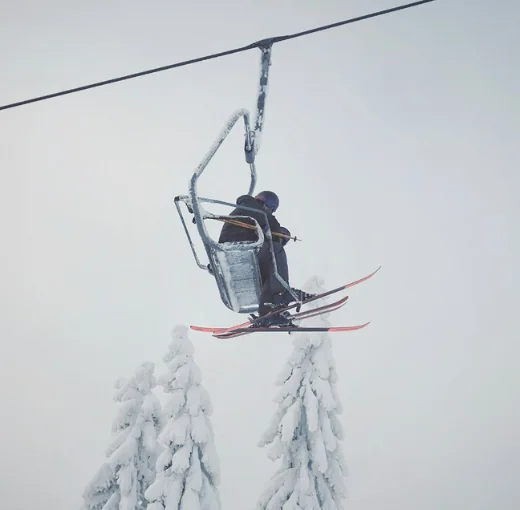
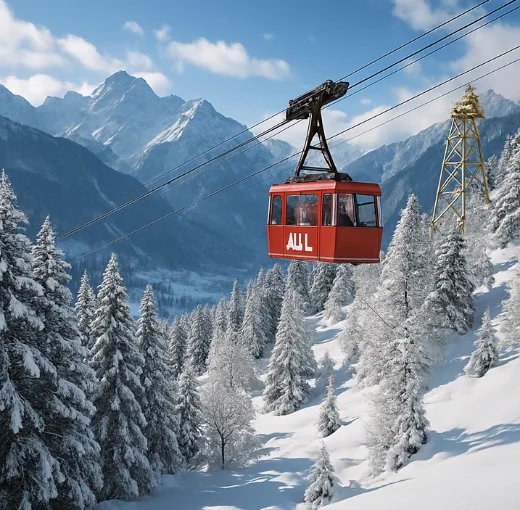
For families with children — the cable car is the finest family experience in Joshimath and one of the finest in Uttarakhand. Children from any age can ride it — there is no minimum age, no fitness requirement, no altitude preparation needed for the ride itself. The view through the windows as the forest gives way to alpine terrain and the peaks appear is one of those childhood experiences that adults remember being shown. Position children at the windows. Let them name the peaks if they can see the summit signs. Let them look without being hurried.
For older visitors and those with limited mobility — the cable car makes the Auli experience accessible to visitors who cannot manage the 14 kilometre road or the forest walking trail. The lower station has a ticket counter, seating, and reasonable access. The gondola cabin requires stepping in and out — a platform and a brief step rather than a difficult boarding process. The top station has level ground and views that require no walking at all beyond the gondola exit. For visitors for whom this is the main activity, the cable car delivers a world-class mountain view with minimal physical demand.
For skiers in winter — the cable car is the primary access to the Auli ski slopes and the most pleasant ski commute in India. The 25 minute ride in a warm gondola with ski equipment is the right way to start a ski day. Return rides at the end of the day, tired and satisfied, with the valley lights below and the peaks going dark above, are the reward. The cable car pass is typically included in GMVN ski packages — confirm this when booking.
For trekkers using it as acclimatization — the ideal acclimatization day before any Joshimath-based trek. Cable car up, walk to Gorson Bugyal, return by cable car, sleep in Joshimath. Approximately half a day of actual activity, the correct altitude push, and the rest of the day for kit checking, guide briefing and a proper dinner before day one on the trail.
OVERRATED
The road to Auli instead of the cable car. The 14 kilometre road from Joshimath to Auli is driveable and some visitors take it — either because they have a vehicle or because the cable car is under maintenance. The road delivers you to the same top station. What it does not deliver is the 25 minute aerial journey through the forest and the alpine terrain with the Himalayan panorama appearing through the windows as you climb. The road is a road. The cable car is the cable car. Take the cable car when it is running.
The top station as the full Auli experience. Mentioned already and worth mentioning again because it is the single most common way visitors underuse the cable car visit. The top station is a starting point. Gorson Bugyal is the destination. Walk to the meadow. Everything else about the Auli cable car day follows from this.
Staying at Blackberry Cottages & Resort — Your Cable Car Base…
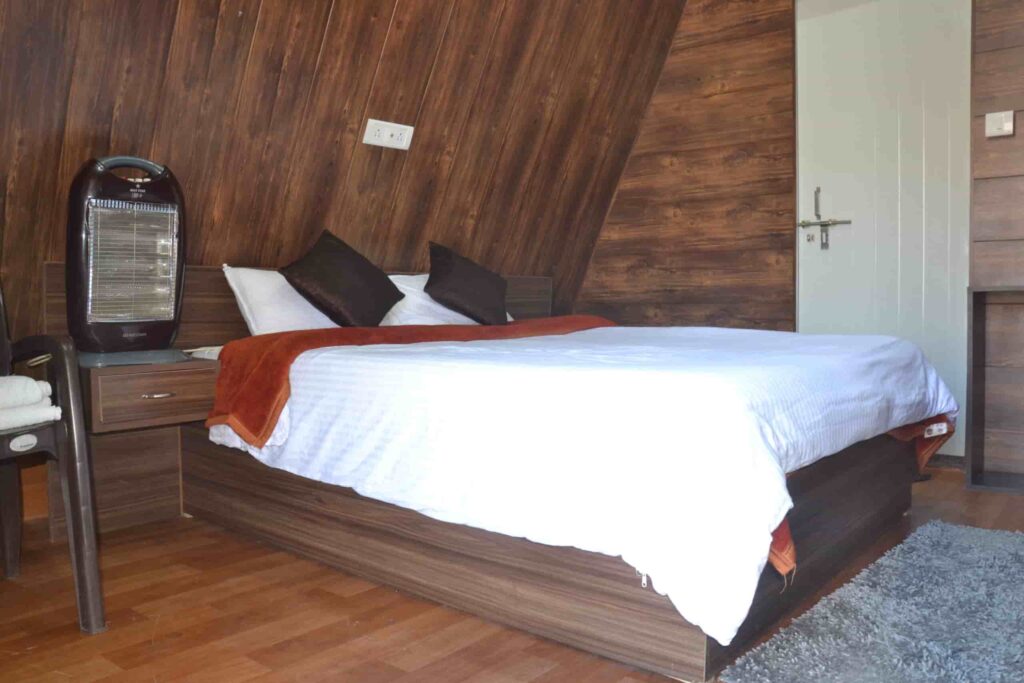
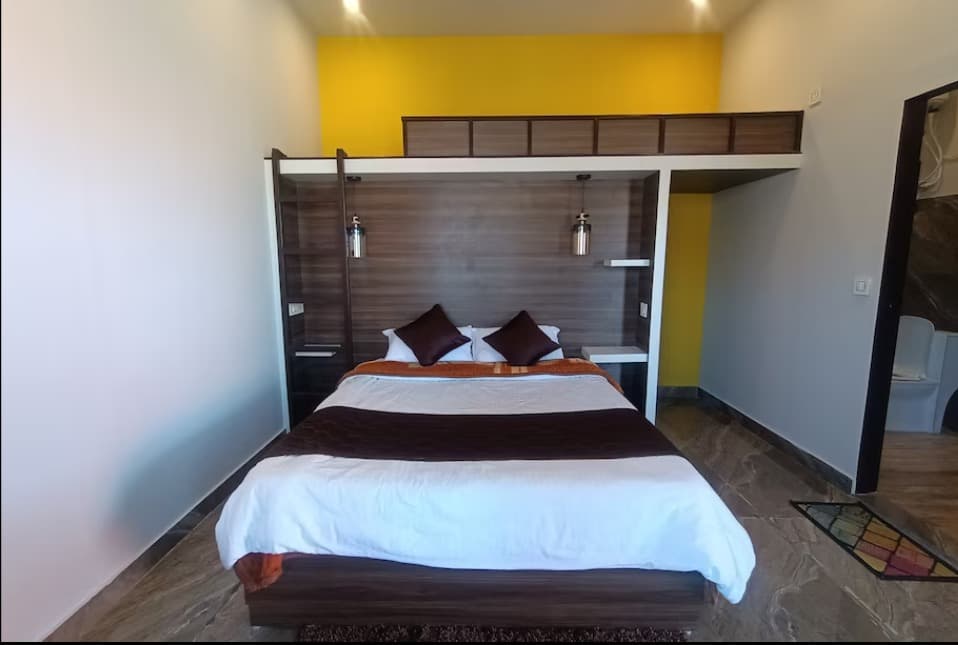
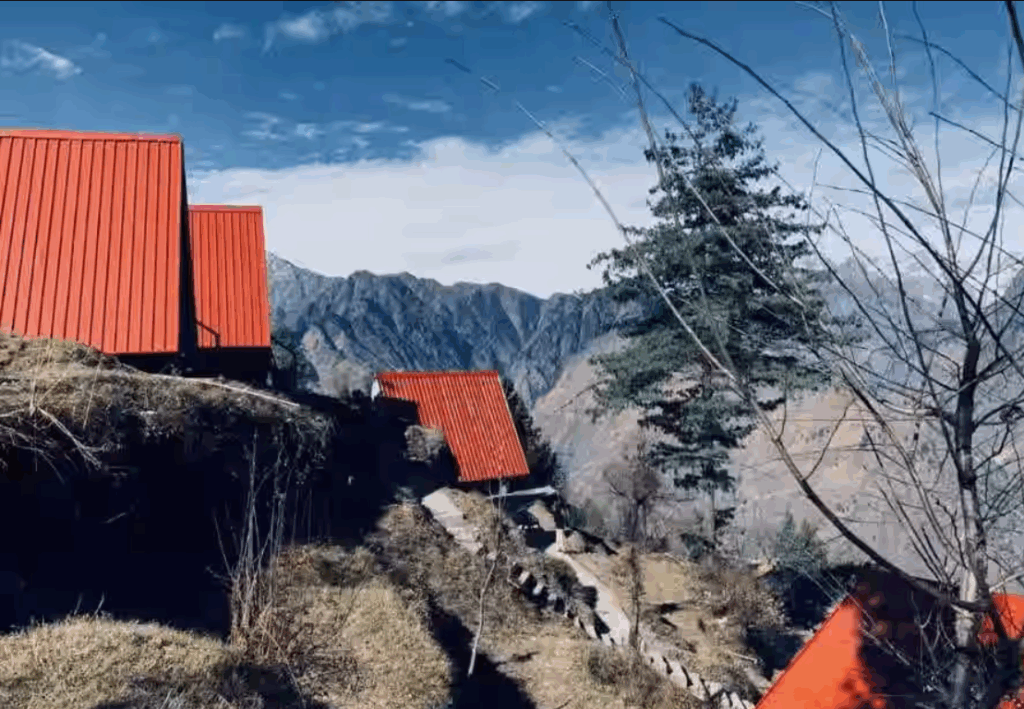
Blackberry Cottages & Resort is at Auli Laga, Joshimath — which puts us at the lower cable car station. We are the closest property to the gondola base in Joshimath, which means your morning cable car departure starts with a short walk rather than a taxi journey. In winter, when the ski season is running and the first gondola of the day fills fast, being a short walk from the lower station is a meaningful advantage.
We can advise on current cable car timings and operational status — we know when it is running and when it is not, because we are here every day. We can also arrange the full Auli day programme — cable car up, Gorson Bugyal walk, time at the meadow, cable car back — with packed breakfast for early departures and hot dinner on return. And in winter, we include cable car pass guidance in our ski packages and can advise on the daily queue situation and best departure timing.
For guests who are using the cable car as an acclimatization day before a bigger trek, we pair the Auli day with the guide briefing in the evening — so by the time you go to sleep the night before the trek, you have already been to 10,000 feet, your body has had its first altitude conversation, and the logistics for day one are fully confirmed.
Plan your Auli cable car day and Joshimath stay at blackberrycottagesauli.com or reach us on WhatsApp.
