
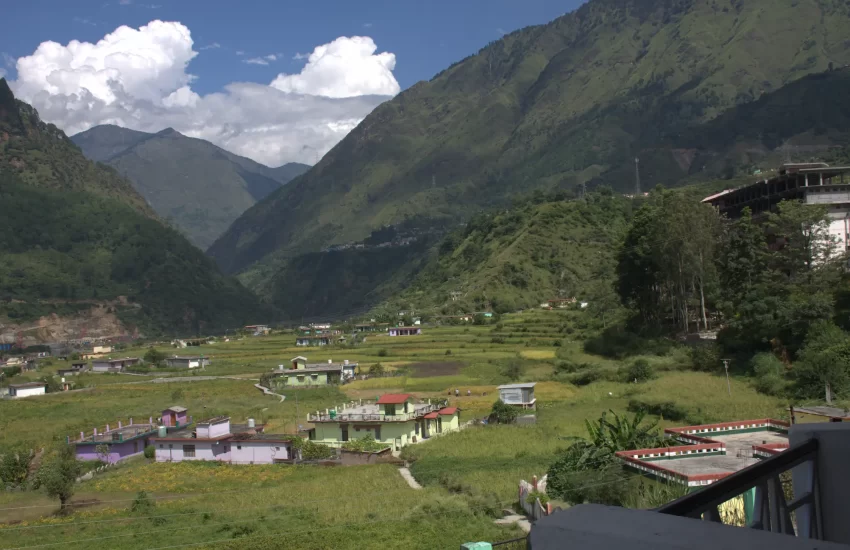
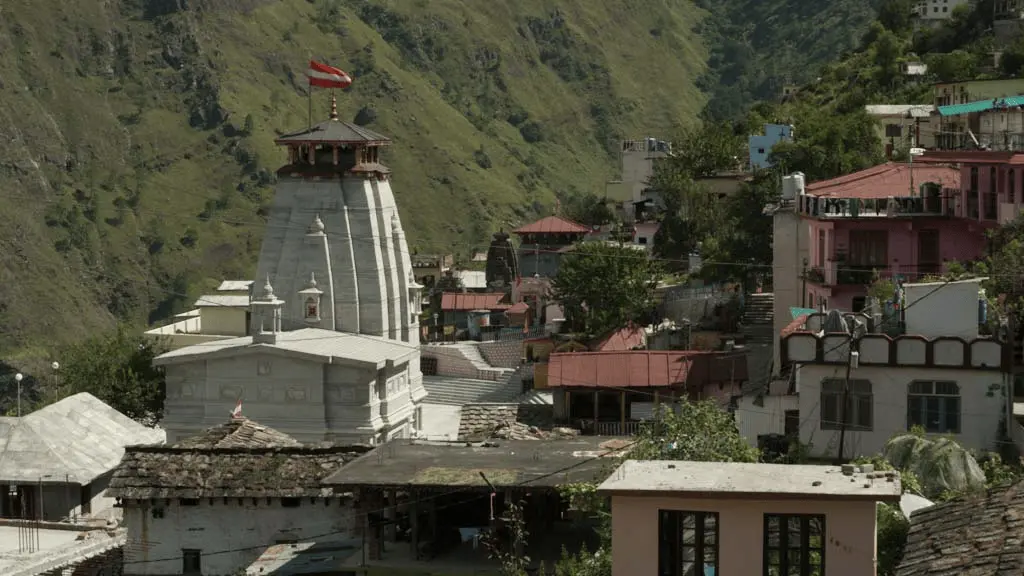
Sometimes a geography lesson is the only way in, and the seasons of Joshimath are one of those cases where understanding the geography first makes everything else make sense. Joshimath sits at 6,150 feet in the Chamoli district of Uttarakhand, in the Garhwal Himalayas, at the confluence of the Alaknanda and Dhauliganga rivers. At this altitude, the seasons do not merely change the temperature. They change the entire character of the place — what is open, what is beautiful, what is possible, what is advisable, and what is genuinely not worth attempting.
Think of Joshimath across the year like a box of exquisite handmade chocolates — each month a different variety, each one worth having, some more obviously appealing than others, and a couple at the bottom that are best left for someone with very specific tastes. April and October are the ones everyone reaches for once they know the box. January and February are the surprise favourites of people who come for the snow. July is the one that looks promising from the outside but requires managing expectations considerably.
This guide goes through every month of the year — what the weather is doing, what the temperature is, what activities are open, how crowded it is, and an honest verdict on whether it is a good time to come and for whom. Use it to match your dates to your purpose rather than simply booking whenever a long weekend aligns.
Joshimath Month by Month — The Full Picture…
| Month | Temp (day) | Weather | Best Activities | Crowds | Verdict |
|---|---|---|---|---|---|
| January | 2–8°C | Cold, clear, heavy snow at Auli | Skiing · snow activities · cable car | Moderate-High | ★★★★ Winter best |
| February | 4–10°C | Cold, best ski snow of the year | Skiing · snowshoe · camping | High | ★★★★★ Peak ski |
| March | 8–15°C | Warming, snow retreating | Skiing (early) · Gorson Bugyal | Low-Moderate | ★★★ Transitional |
| April | 12–18°C | Clear, rhododendron bloom | Trekking · Gorson · rafting | Moderate | ★★★★★ Spring best |
| May | 15–22°C | Warm days, cool nights, clear | All treks · Badrinath · all activities | High | ★★★★ Peak season |
| June | 17–24°C | Pre-monsoon, some cloud builds | Trekking · VoF (late June) · rafting | High | ★★★★ Good, go early |
| July | 16–22°C | Monsoon · heavy rain · cloud | Limited — road risks | Low | ★★ Avoid if possible |
| August | 15–21°C | Monsoon continuing · VoF peak bloom | Valley of Flowers only | Low-Moderate | ★★★ VoF only |
| September | 12–19°C | Monsoon retreating, clearing fast | Trekking · VoF (early Sep) · all | Moderate | ★★★★ Post-monsoon |
| October | 8–16°C | Clear, crisp, best visibility of year | All treks · Badrinath (closing) · all | Moderate-High | ★★★★★ Autumn best |
| November | 2–10°C | Cold, Badrinath closes, snow starts | Short treks · Gorson · scenic drives | Low | ★★★ Quiet season |
| December | −2–6°C | Cold, early ski season, festive | Skiing · snow activities | Moderate-High | ★★★ Early winter |
January — The Winter in Full Swing…
January in Joshimath is cold, clear and beautiful in the specific way that high-altitude winters are — serious, spare, and not performing for anyone. The temperature in town ranges from 2 to 8 degrees Celsius during the day, dropping below zero at night. Auli above is buried in snow and the ski slopes are at their best — the gondola runs daily and the ski infrastructure is fully operational. The Badrinath temple is closed for winter and will not open until late April or May. The trekking trails above Joshimath are under snow and not advisable without winter trekking experience.
What January gives you is Auli at its finest for skiing, snow landscapes of extraordinary quality, the Himalayan panorama at its sharpest against a cold blue winter sky, and a Joshimath that is busy with ski visitors but not overwhelmed. The week between January 20 and the end of February is widely considered the best skiing window of the year — snow quality excellent, lifts fully operational, slopes in peak condition.
| Temperature | 2 to 8°C day · below zero at night in town · well below zero at Auli |
| What is open | Ski slopes at Auli · cable car · Narsingh temple · Shankaracharya Math |
| What is closed | Badrinath temple · most trekking routes above 3,000 metres |
| Best for | Skiing · snow experiences · winter landscape lovers · first snow trips |
| Pack | Heavy winter clothing · ski gear or rental · thermal base layers · proper winter boots |
February — The Finest Ski Month of the Year…
February is the month that serious skiers plan their Auli trip around. The snowpack is at its deepest and most consistent, the groomed runs are in peak condition, and the weather — cold, clear, reliable — is exactly what a ski resort wants and rarely always gets. The gondola from Joshimath runs daily, the chairlift and drag lifts are operational, and the slopes see their best visitor numbers of the season. Book accommodation at least four to six weeks in advance for February — particularly the last two weeks, which are the most popular.
Joshimath town in February has the pleasant busy quality of a ski season at its peak — warmly lit tea shops, the sound of ski boots on stone streets, the gondola queue building from early morning. The evenings are cold and clear and the stars at 6,150 feet on a February night are implausibly bright. This is winter mountain travel at its most rewarding.
| Temperature | 4 to 10°C day · below zero at night |
| What is open | Ski slopes · cable car · winter activities · all Joshimath facilities |
| What is closed | Badrinath · most trekking routes |
| Best for | Skiing — this is the single best ski month · snow adventures · winter photography |
| Pack | Full ski or winter kit · book accommodation well in advance |
March — The Beautiful In-Between…
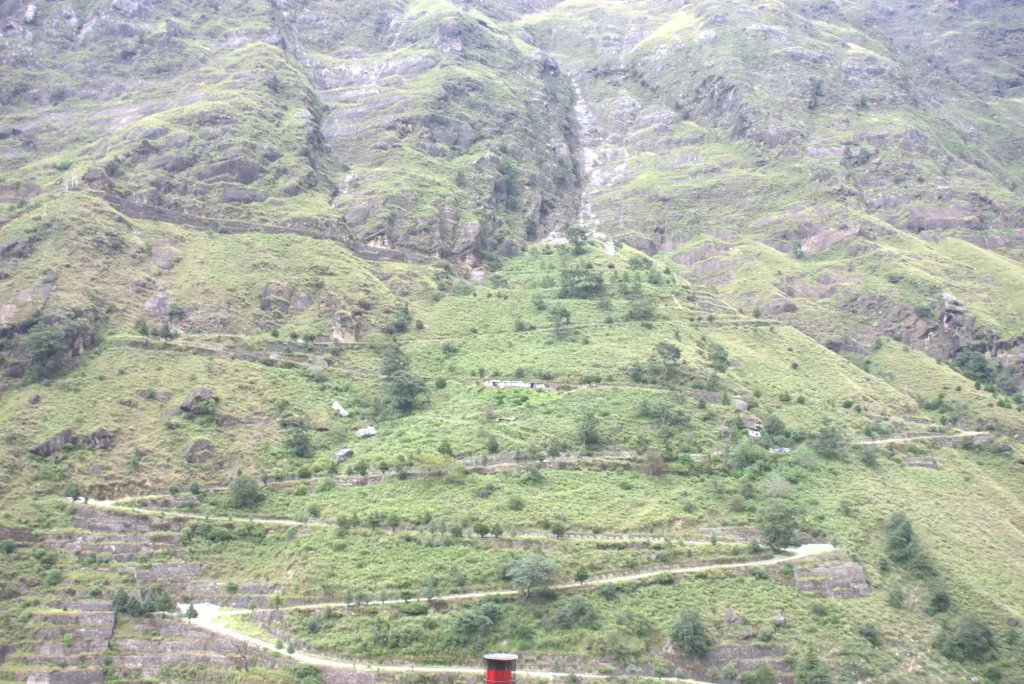
March is a transitional month in Joshimath and it is one that rewards visitors who do not need the place to be at its peak performance. The snow is retreating from Auli’s lower slopes through the month — the skiing is good in early March and variable by late March as the snowpack thins. The rhododendron on the lower forest trails above Joshimath begins blooming from mid-March, which is one of the finest things the landscape does all year. The weather is warming and the days are lengthening. Badrinath is still closed.
March visitors get quieter trails, lower accommodation prices than January or February, the beginning of the rhododendron season in the forests, and if they come in the first two weeks, still-good skiing at Auli. It is a month for travellers who appreciate a destination slightly off its peak rather than at full capacity — which, in this writer’s opinion, is often the best time to go anywhere.
| Temperature | 8 to 15°C day · cool nights |
| What is open | Skiing (early March) · cable car · Gorson Bugyal trail opening up · rhododendron beginning |
| What is closed | Badrinath · high-altitude trekking routes still snowbound |
| Best for | Late-season skiing · rhododendron walks · quieter Joshimath · budget travellers |
| Pack | Layered clothing · ski gear if skiing · trekking boots for forest walks |
April — The Finest Month in the Calendar…
If you can only come to Joshimath once and you are asking for the single best month — this is it. April in Joshimath is extraordinary. The rhododendron is in full bloom through the forest above the town and on the Gorson Bugyal trail — great red and pink explosions of colour against the green that make the forest look like it has been specifically decorated for your arrival. The trekking routes are opening — Kuari Pass and Gorson Bugyal are accessible, Pangarchulla is coming into season — and the weather is clear, warm in the day and cool at night, with the post-winter Himalayan panorama at its sharpest before summer haze builds.
Badrinath opens in late April or early May — the exact date determined by the temple priests according to the Hindu calendar — and the first weeks of the pilgrimage season, before the main summer crowds arrive, are one of the best times to make the 45 kilometre journey from Joshimath to the temple. The Valley of Flowers is not yet open (it opens June 1) but everything else is, and everything else in April is at its best.
| Temperature | 12 to 18°C day · 4 to 8°C night |
| What is open | All trekking routes · Gorson Bugyal · cable car · Badrinath (late April) · rafting beginning |
| What is closed | Valley of Flowers (opens June 1) |
| Best for | Trekking · rhododendron bloom · Badrinath · Gorson Bugyal · everything |
| Pack | Layered clothing · trekking boots · warm layer for evenings and altitude |
May — Peak Season, for Good Reason…
May is the most popular month to visit Joshimath and it earns that popularity honestly. The weather is warm and settled, the skies are clear, the trekking routes are fully open, Badrinath is in full swing, the cable car to Auli is running, Gorson Bugyal is green and spectacular, and the Valley of Flowers opens on June 1 — so May visitors who extend slightly into June can catch both the trekking season and the flower valley in one trip. The days are long, the evenings are comfortable, and the Himalayan panorama is visible and dramatic.
The trade-off is crowds. May is the main Char Dham Yatra season and the road to Badrinath through Joshimath carries significant pilgrim traffic. Joshimath itself gets busy, accommodation books up in advance, and the Badrinath temple can have long darshan queues on peak days. Book well ahead — four to six weeks minimum for May stays. Early May before the school holidays begin is quieter than the second half of the month.
| Temperature | 15 to 22°C day · 8 to 12°C night |
| What is open | Everything — all treks · Badrinath · cable car · rafting · paragliding · all activities |
| What is closed | Valley of Flowers (opens June 1) |
| Best for | First-time visitors · families · complete Joshimath experience · Badrinath pilgrimage |
| Pack | Light layers · trekking kit · sun protection — UV is strong at altitude in May |
June — The Last Clear Month Before the Rain…
June is an excellent month in the first half and a variable one in the second, and the distinction matters for planning. Early June — the first two weeks — gives you conditions almost as good as May, with the Valley of Flowers newly opened and at its early bloom stage, the trekking routes in full operation, Badrinath busy but manageable, and the weather still predominantly clear. The last week of June sees the monsoon beginning to build from the south, and while it does not hit Joshimath as dramatically as lower Uttarakhand, cloud cover increases and afternoon rain becomes more common.
June is also when the Valley of Flowers starts coming alive — the park opens June 1 and the early summer flowers, including the first marsh marigolds along the Pushpawati, begin blooming. The peak bloom is late July to August, but June visitors see the valley in its pre-bloom state — interesting in its own right, and considerably less crowded than the August peak.
| Temperature | 17 to 24°C day · 10 to 14°C night |
| What is open | All treks · Valley of Flowers (from June 1) · Badrinath · all activities |
| What is closed | Nothing significant |
| Best for | Valley of Flowers early season · trekking · Badrinath · those who missed April and May |
| Pack | Light layers · rain jacket — monsoon can arrive early · sun protection |
July — The Honest Monsoon Assessment…
July is the month that requires the most honesty in any Joshimath guide, because it is the month most likely to disappoint a visitor who arrives without understanding what the monsoon means at this altitude. The rain is persistent, the cloud cover is frequent and heavy, and the Himalayan panorama — the single most compelling visual feature of the area — disappears behind cloud for days at a stretch. The trekking trails above 3,000 metres become slippery and sometimes close. The highway through the Alaknanda valley is subject to landslides and road closures without warning.
The one significant exception is the Valley of Flowers, which is at its most extraordinary in late July — the monsoon rains are what make the flower bloom so dense and so spectacular. If the Valley of Flowers is your primary reason for visiting, late July is genuinely the time to go. For everything else in Joshimath, July requires patience, flexibility, and an acceptance that the mountains may not show their faces for your entire visit.
| Temperature | 16 to 22°C day · 12 to 16°C night |
| What is open | Valley of Flowers · Badrinath · cable car (weather permitting) |
| What is closed or limited | Most trekking routes · road closures possible · Auli views often obscured |
| Best for | Valley of Flowers late July bloom only — otherwise avoid if views and trekking are your purpose |
| Pack | Full rain kit · waterproof boots · rain cover for pack · leech socks for lower forest trails |
August — The Valley of Flowers Month…
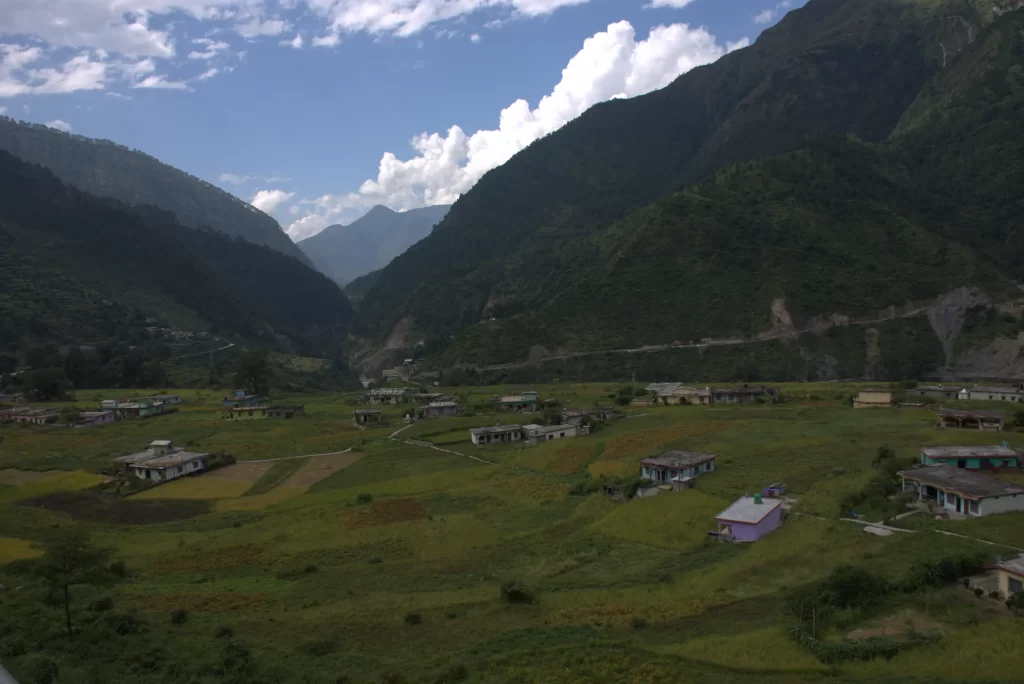
August is the peak bloom month for the Valley of Flowers — late July to mid-August is when all 500-plus species are flowering simultaneously and the valley floor is at its most extraordinary. For this reason alone, August has a legitimate place on the Joshimath calendar, and visitors who come specifically for the Valley of Flowers in August are making the right choice for that purpose. The monsoon is still active, which means the approach road can be affected by landslides and the weather is unpredictable, but the valley itself — when you reach it — is worth it.
For everything other than the Valley of Flowers, August is the same challenge as July — cloud, rain, limited views, and trekking trails that are at their most demanding and least rewarding. Hemkund Sahib, the Sikh gurudwara at 4,329 metres accessible from Ghangaria, is also open in August and combining it with a Valley of Flowers visit is the classic August itinerary from Joshimath.
| Temperature | 15 to 21°C day · 11 to 15°C night |
| What is open | Valley of Flowers (peak bloom) · Hemkund Sahib · Badrinath |
| What is limited | Most trekking · road conditions variable · views often clouded |
| Best for | Valley of Flowers peak bloom — this is the month for it · Hemkund Sahib |
| Pack | Full rain kit · good waterproof boots · patience with road conditions |
September — When the Mountains Come Back…
September is the month Joshimath exhales. The monsoon begins withdrawing from the Garhwal Himalayas in September — slowly at first, then decisively — and as it goes the mountains reappear, the sky deepens from monsoon grey to post-monsoon blue, and the landscape reveals itself freshly washed and extraordinarily green. Early September is still variable — some cloud, occasional rain, the monsoon not quite done. By mid-September the transition is largely complete, and late September into October is one of the finest extended windows in the Joshimath calendar.
The Valley of Flowers is still open in early September — the late-season flowers including brahmakamal and the blue poppy are still present, and the crowds that peak in August have thinned. The trekking routes are reopening as trail conditions improve. Badrinath is open until November. Rafting on the Alaknanda is excellent in September — post-monsoon clarity makes it the finest water of the year. This is the month of quiet revelation.
| Temperature | 12 to 19°C day · 6 to 10°C night |
| What is open | Valley of Flowers (early Sep) · all treks reopening · Badrinath · rafting · all activities |
| What is limited | Early September still variable weather — improves steadily through the month |
| Best for | Post-monsoon trekking · Valley of Flowers late season · rafting · quieter than May |
| Pack | Layered clothing · light rain jacket early in month · trekking kit |
October — The Other Finest Month…
If April is Joshimath in bloom, October is Joshimath in gold. The post-monsoon clarity that begins in September reaches its peak in October — visibility on a clear October morning extends to peaks 80 kilometres away, the sky is a deep and specific blue that does not exist in any other season, and the oak and rhododendron forest above the town turns from green to gold to rust in a colour change that is one of the finest autumn displays in the Indian Himalayas. The Kuari Pass, Pangarchulla, Gorson Bugyal and all the major trekking routes are fully open and in peak condition. Badrinath is open until November.
October is also when the serious trekking community converges on Joshimath — the post-monsoon window for Kuari Pass and Pangarchulla is considered by many experienced trekkers to be better than the spring window, with crisper air, cleaner views, and autumn colour on the forest approaches. The Auli cable car in October, with the gold forest below and the white peaks above, is one of the finest twenty-five minute rides in India. Book accommodation in advance — October fills up quickly once word gets out about the conditions.
| Temperature | 8 to 16°C day · 2 to 6°C night |
| What is open | All trekking routes · cable car · Badrinath (until November) · all adventure activities |
| What is closed | Valley of Flowers (closed October 31) |
| Best for | Trekking — possibly the finest trekking month · Badrinath · autumn colour · all activities |
| Pack | Warm layers — nights are cold · trekking boots · sun protection · camera |
November — The Quiet Month…
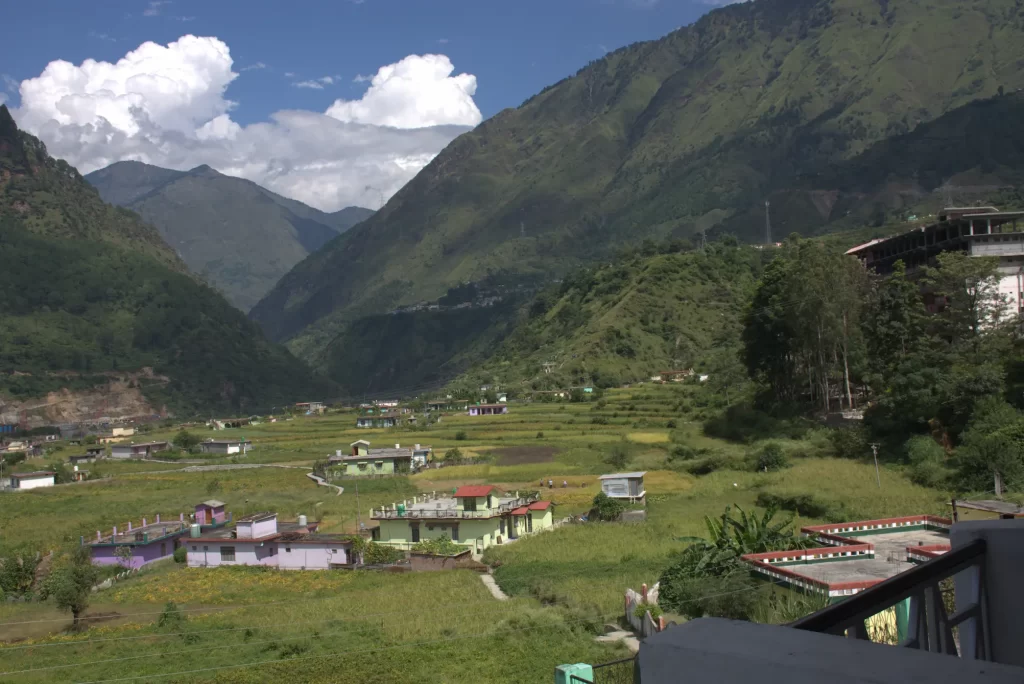
November is the month Joshimath settles into itself after the busy seasons. The trekking crowds have gone, the Badrinath temple closes in early November with considerable ceremony — the deity moved to Ukhimath for the winter — and the town takes on the quieter, more local character that it has for most of the year when the tourists are not here. The first snow arrives at Auli in November, building through the month toward the ski season that begins properly in January. The temperature drops steadily — by late November it is genuinely cold at night.
November is for travellers who want Joshimath without the performance of peak season — the temples, the bazaar, the mountains, the cable car up to Auli to watch the first snow settling on the upper slopes, and the specific pleasure of having a hill town largely to yourself. Accommodation prices are at their lowest and the local hospitality has an unhurried quality that busy season does not always allow.
| Temperature | 2 to 10°C day · below zero at night late November |
| What is open | Cable car · Narsingh temple · Gorson Bugyal (early November) · local walks |
| What is closed | Badrinath (closes early November) · Valley of Flowers · most high trekking routes |
| Best for | Quiet mountain town experience · budget travel · first snow views from cable car · solitude |
| Pack | Warm winter clothing · the nights are cold and getting colder |
December — The Winter Arriving…
December is when Joshimath becomes a winter destination again. The snow builds at Auli through the month — patchy in early December, more reliable by mid-month, and the ski infrastructure begins operating as snowfall permits. The Christmas and New Year period brings a surge of visitors from Delhi and the cities, which makes it the busiest December week and not necessarily the best skiing week — snow conditions in late December are often not as good as January, but the festive atmosphere and the school holiday window make it popular regardless.
For travellers who want the winter Joshimath experience without the peak pricing and crowds of January and February, early December — before the Christmas rush — offers a genuine winter landscape, the first properly snowy Auli views from the cable car, and a town that is preparing for the ski season without yet being consumed by it.
| Temperature | −2 to 6°C day · well below zero at night |
| What is open | Cable car · Auli skiing (when snowfall sufficient) · winter activities building |
| What is closed | Badrinath · Valley of Flowers · trekking routes above 3,000 metres |
| Best for | Early winter experience · Christmas and New Year visits · first ski trips of the season |
| Pack | Full winter kit · ski gear if skiing · heavy thermal layers |
The Summary — Which Month for Which Traveller…
Come in April or October if you want the finest trekking, the clearest skies, the most dramatic Himalayan panorama, and the best overall Joshimath experience. These are the two months the mountain is most completely itself.
Come in January or February if skiing is your primary purpose. February specifically for the best snow quality of the year.
Come in May if you want peak season with everything open and operational — Badrinath, all the treks, all the activities — and are happy to book in advance and share the experience with more visitors.
Come in late July or August only if the Valley of Flowers peak bloom is your specific reason. For everything else, the monsoon makes this the most challenging window.
Come in September for the post-monsoon revelation — the freshly washed landscape, the improving skies, the last of the Valley of Flowers season, and trekking routes that are reopening with far fewer people on them than in May.
Come in November or March if you want the quietest version of Joshimath, the lowest prices, and the specific pleasure of a mountain town that is not performing for tourists.
Things not to do when timing your Joshimath visit…
Book dates without checking what is open. The Badrinath temple has a specific opening and closing date each year determined by the temple priests — it is not the same date every season. The Valley of Flowers opens June 1 and closes October 31 without exception. Trekking routes above 3,000 metres are inaccessible in winter without specialist equipment. Check what is open for your specific dates before you book anything.
Assume July and August are like May. They are not. The monsoon changes everything — the views, the road conditions, the trail safety, the general experience of being in the mountains. July and August in Joshimath are manageable if you know what to expect. They are frustrating if you arrive expecting May weather and get monsoon cloud instead.
Leave booking to the last minute in April, May, October and February. These are the four months when Joshimath is most visited and most compelling. Accommodation fills fast — particularly at properties close to the cable car and the trek starting points. Four to six weeks in advance is the minimum. Earlier is better.
OVERRATED
The idea that there is one perfect time to visit. The honest answer is that Joshimath has four genuinely excellent windows — April, May, September and October for trekking and mountain views; January and February for skiing. Each has its own character and its own rewards. The question is not which one is best in the abstract but which one suits what you came for. A February skier and an October trekker are both right about when to come.
The Christmas and New Year rush to Auli. December 24 to January 2 is the most crowded and most expensive window of the winter season and rarely offers the best skiing conditions — the snowpack is still building in late December. The same money spent in late January or February buys better snow, more space on the slopes, and a considerably more relaxed experience. Go when the skiing is best, not when the calendar says it is time to celebrate.
Staying at Blackberry Cottages & Resort — Any Month…
and the closest property to the ski slopes, the trekking trailheads and the Badrinath road. We are open year-round and our packages shift with the seasons — trek and stay packages for the spring and autumn trekking windows, ski and stay packages for the winter season, Valley of Flowers packages for the summer, and Badrinath day trip arrangements for the pilgrimage season.
Whatever month you come, we will tell you honestly what is open, what is worth doing, and what the mountain is doing that week — because we are here every month, in every season, and we know Joshimath the way only a property that has been through every cycle of it can.
Check seasonal availability and plan your visit at blackberrycottagesauli.com or reach us on WhatsApp.
