
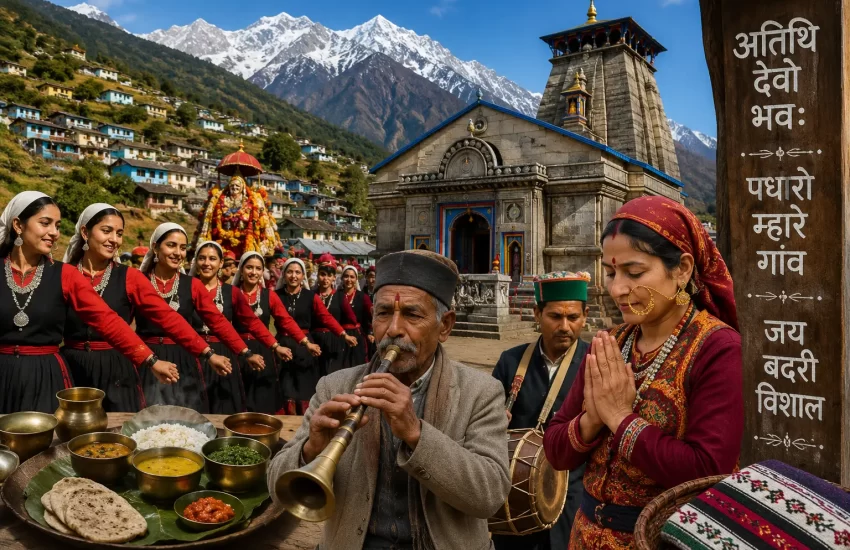
Sometimes a geography lesson is the only way in. Garhwal is the western half of Uttarakhand, a region defined as much by its mountains as by the culture those mountains have shaped over centuries — a Pahari (hill) identity distinct from the plains of North India, built around subsistence farming on steep terraced slopes, deep religious devotion to both major Hindu deities and hyper-local village gods, and a pilgrimage economy that has occupied Garhwali life for as long as anyone can trace it. Joshimath itself is part of this story in a specific way — it is one of the four cardinal maths established by the philosopher-saint Adi Shankaracharya over a thousand years ago, which tells you something about how long this town has been a place people travel to for reasons beyond scenery.
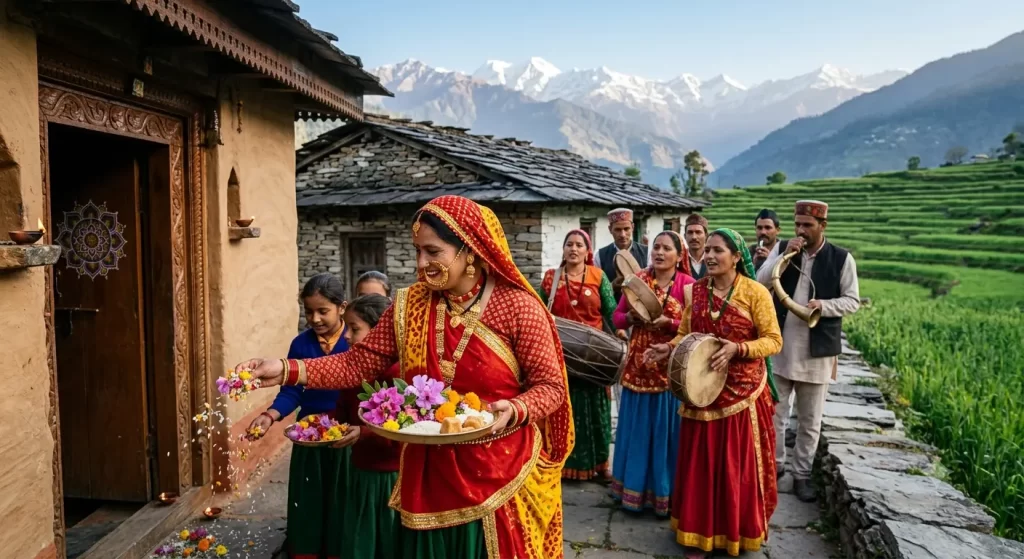
Most travellers arrive in Garhwal focused entirely on the trek, the temple or the view, and leave without really having met the culture that surrounds all three. This is understandable — nobody hands you a briefing on Garhwali customs at the airport — and it is also a genuine loss, because a little cultural context changes a Char Dham pilgrimage or a Himalayan trek from a checklist of sights into something considerably richer. This guide is that briefing.
This guide covers the essentials of Garhwali culture and customs — religion and local deities, language, dress and modesty, festivals worth knowing about, food and hospitality — along with practical etiquette for travellers, so you can move through Joshimath, Auli and the wider region with genuine respect rather than well-meaning guesswork.
Garhwali Culture — At a Glance
| Region | Garhwal, western Uttarakhand — one of the two major cultural regions of the state alongside Kumaon |
| Language | Garhwali (a Central Pahari language), with Hindi widely spoken and understood everywhere |
| Religion | Predominantly Hindu, with strong devotion to both major deities and local village gods |
| Notable local tradition | Village oracle and possession rituals connected to local deities, observed at specific festivals |
| Key festival | Nanda Devi Raj Jat — a major pilgrimage held roughly once every twelve years |
| Greeting | Namaste, generally with hands folded; touching an elder’s feet is a common mark of respect |
| Dress norm | Modest dress is the norm, particularly near temples and in smaller villages |
Religion and Local Deities
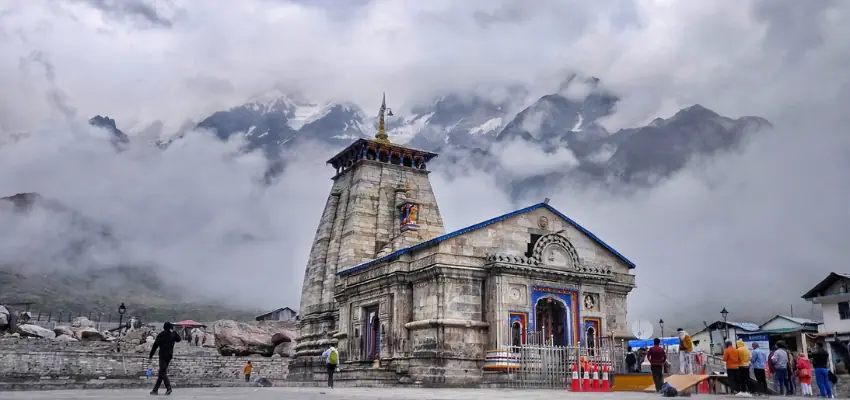
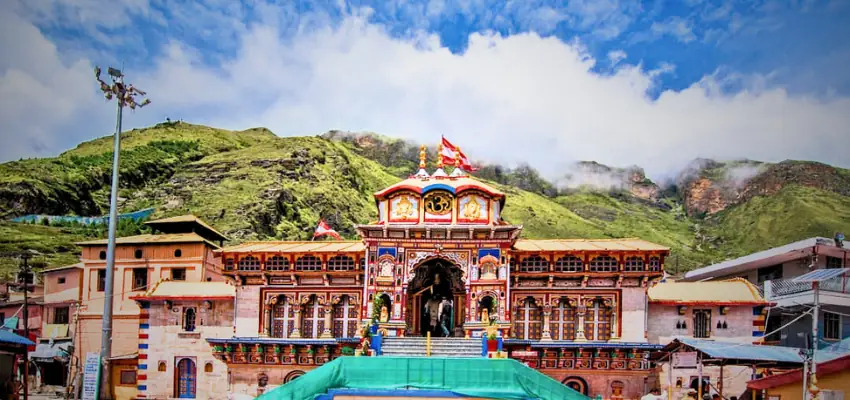
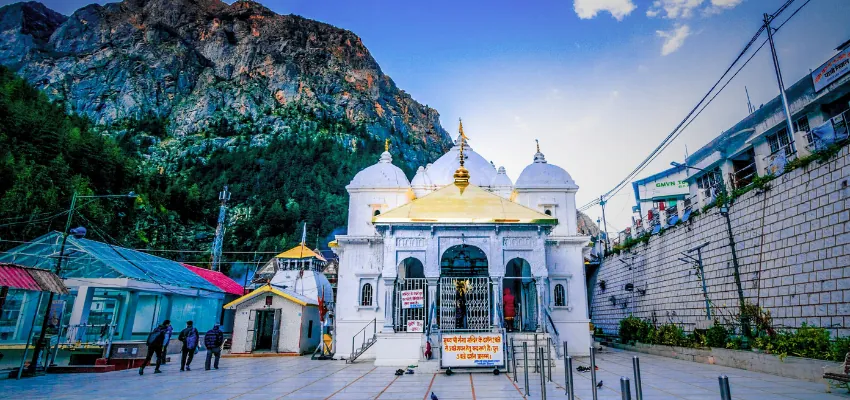
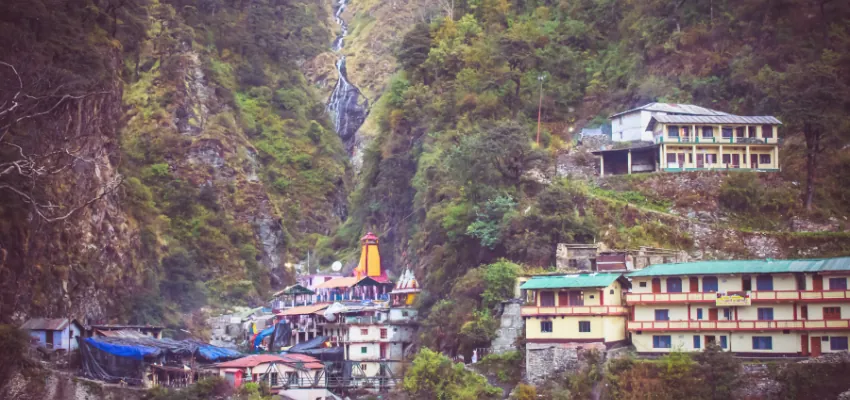
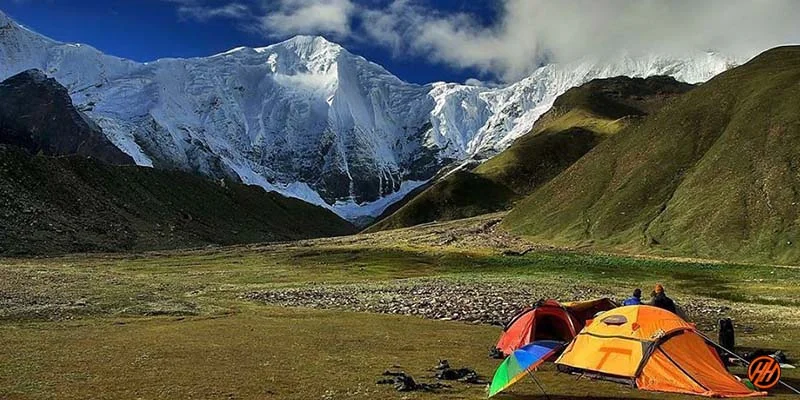
Garhwal’s religious life operates on two levels that coexist comfortably. There is the major pilgrimage tradition most visitors already know — the Char Dham circuit, of which Badrinath is one of the four, along with the broader network of temples across the region. And there is a deeply local layer of devotion to village and clan deities, often tied to a specific temple, mountain or natural feature, worshipped through practices that include oracle and possession rituals at particular festivals, where a chosen individual is believed to become a vessel for the deity’s presence and guidance for the community. This local layer of belief is not folklore treated as quaint by the people who practise it — it is a living, current part of religious life in Garhwal, and travellers who encounter it are witnessing something the community takes seriously, not a performance staged for visitors.
Joshimath’s own religious significance runs deep, as the winter seat of the Badrinath deity and one of the four maths founded by Adi Shankaracharya, alongside its role as the base for one of the four Dhams of the Char Dham pilgrimage. The Narsingh Bhagwat temple in the main bazaar is a genuine piece of this history, not simply a stop on a sightseeing list.
Language
Garhwali is the historic language of the region, part of the Central Pahari language family, and while it remains the language of daily life in villages and among elders, Hindi is spoken and understood everywhere a traveller is likely to go, including hotels, shops, jeep stands and dhabas. English is more limited outside tourist-facing businesses, so a few basic Hindi phrases — namaste for hello, dhanyawad for thank you, kitna for “how much” — go a considerable distance, and the effort is generally received warmly regardless of how imperfect the pronunciation is.
Dress and Modesty
Modest dress is the general norm across Garhwal, and it matters more, not less, the closer you are to a temple or a smaller village rather than a larger town. For women, this generally means covering shoulders and knees; for men, shorts are fine in tourist areas but a full covering is more appropriate at temples. This is not a rule imposed on visitors specifically — it reflects how the local population itself dresses, particularly in religious contexts, and dressing accordingly is simply a matter of basic respect rather than a special accommodation. At any temple, plan to remove your footwear before entering, and carry a shawl or scarf that can cover your head or shoulders if a specific shrine calls for it.
Festivals Worth Knowing About
Nanda Devi Raj Jat is the single most significant Garhwali festival most outsiders have never heard of — a major pilgrimage procession honouring the goddess Nanda Devi, held only once approximately every twelve years, drawing pilgrims across a demanding multi-week route through the high Himalayas. It is not something you can plan around casually, but knowing it exists says a great deal about the depth of devotion this region holds toward its mountains and its goddess.
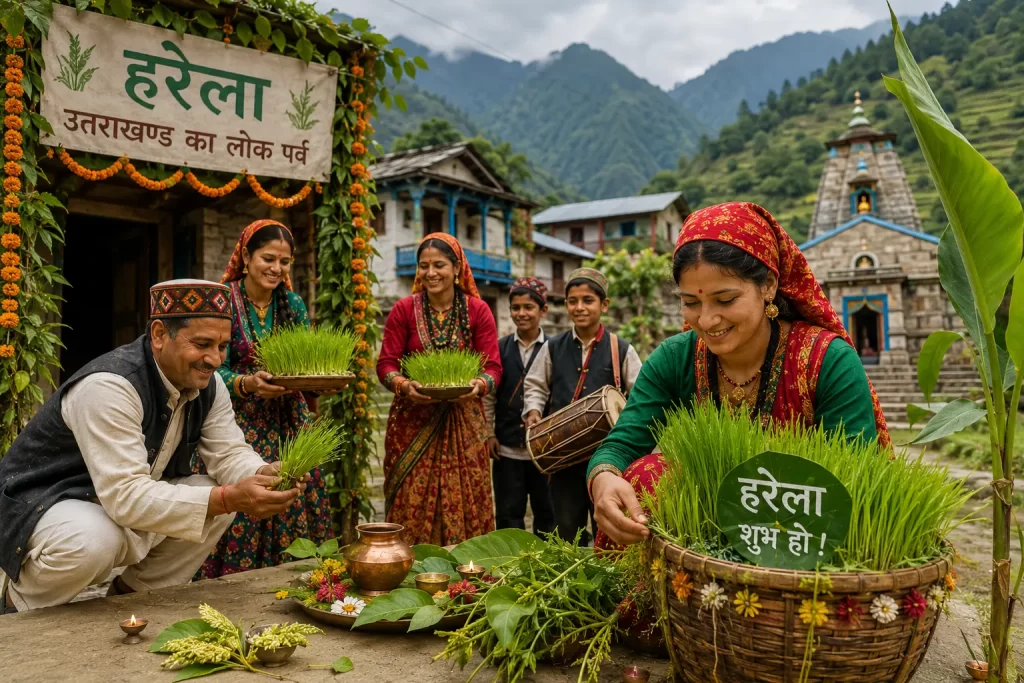
Harela, celebrated in the monsoon month of Shravan, marks the start of the agricultural season with the sowing of seeds in small pots days in advance, and their harvest and blessing on the festival day itself — a genuinely agricultural festival in a way that reflects Garhwal’s farming roots more directly than most Indian festivals travellers are familiar with.
Ganga Dussehra and the regular temple festival calendar around Badrinath, Kedarnath and the smaller local temples punctuate the pilgrimage season with specific ritual days, and if your visit happens to coincide with one, you are witnessing something considerably more significant than an ordinary day’s darshan — ask locally what is being celebrated rather than assuming it is incidental to your visit.
Food and Hospitality
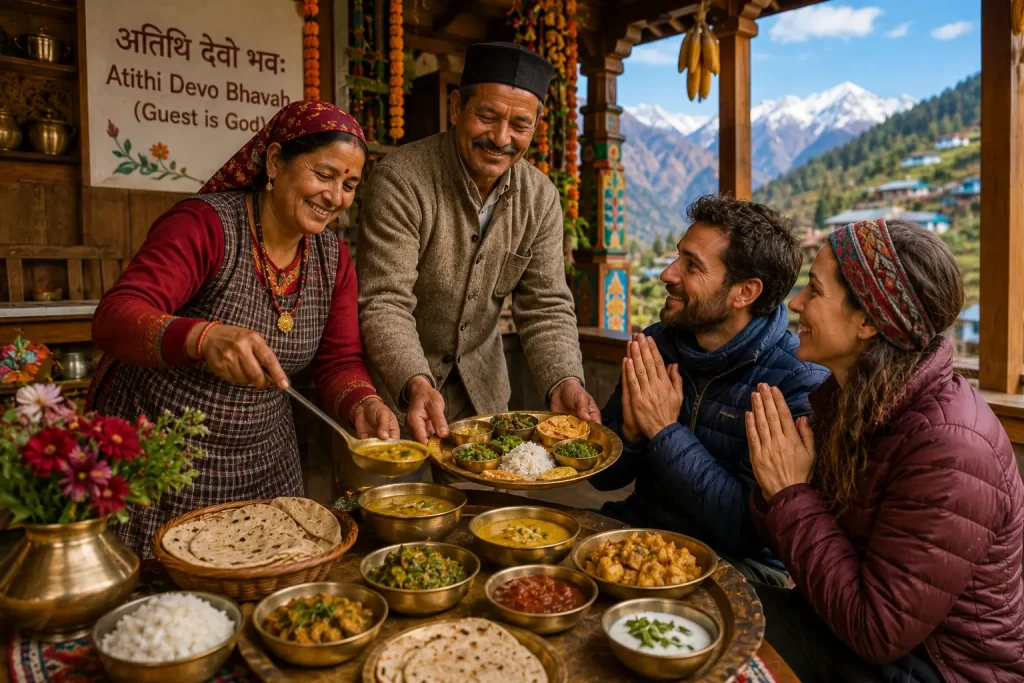
Garhwali cuisine reflects the terrain it comes from — hearty, simple, built around local grains and pulses suited to a mountain climate rather than the rice-and-wheat staples of the plains. Mandua (finger millet) and jhangora (barnyard millet) appear in local breads and dishes, gahat (horse gram) dal is a regional specialty valued for its warming properties in cold weather, and kaafuli — a green leafy vegetable preparation — and aloo ke gutke, a simple spiced potato dish, are common home-style staples worth seeking out beyond the standard dhaba menu of dal and rice.
Hospitality in Garhwal runs generous by default. A guest, even an unexpected one, is customarily offered tea at minimum, and turning down that offer outright can read as slightly abrupt — accepting graciously, even briefly, is the better instinct. This generosity is cultural rather than transactional, rooted in a region where travellers and pilgrims passing through have been a constant for centuries, and it is worth meeting with genuine warmth rather than transactional politeness in return.
Things to Do
Greet with a Namaste and mean it. This is the standard greeting across the region, offered with hands folded, and using it consistently — with hotel staff, shopkeepers, drivers, fellow pilgrims — is a small gesture that is noticed and appreciated.
Ask before photographing people, rituals or ceremonies. A festival procession, an oracle ritual, or simply a local person going about their day is not automatically a photo opportunity because you are a visitor. A brief, friendly request is almost always answered generously — skipping that request is where things go wrong.
Remove your footwear before entering any temple, without needing to be told. This applies at the grand temples of the Char Dham circuit and at small roadside shrines alike — the scale of the shrine does not diminish the expectation.
Learn a handful of basic Hindi phrases before you arrive. Namaste, dhanyawad, kitna — a small vocabulary goes further than most travellers expect, and the attempt itself is read as a sign of respect regardless of your accuracy.
Take the time to ask about a festival or ritual you happen to witness. If you arrive during Harela, or a temple festival day, or any local observance, a simple question to your accommodation or a local shopkeeper about what is happening will usually get you a genuine, generous explanation — and a much richer sense of what you are actually seeing.
Things Not to Do
Dismiss local deity worship or oracle traditions as superstition. These are living religious practices taken seriously by the people who hold them, not curiosities for a traveller’s amusement. Curiosity and respect are welcome. Condescension is not.
Wear revealing clothing at temples or in smaller villages. This is one of the more common and easily avoidable missteps travellers make, and it reads as disrespect even when no disrespect is intended.
Rush a conversation or a transaction out of impatience. Mountain life, and the pace of a small Garhwali town, does not move at a city rhythm, and a traveller visibly frustrated by this is a traveller who has misunderstood where they are.
Assume every temple welcomes every visitor into every part of the shrine. Certain inner sanctums and rituals are restricted, sometimes by gender, sometimes by other traditional criteria specific to that temple. Ask rather than assume, and accept the answer without argument if access is restricted.
OVERRATED
The assumption that Garhwali culture is a single, generic “mountain culture” indistinguishable from neighbouring Himalayan regions. Garhwal has its own language, its own deity traditions, its own festival calendar and its own distinct identity from Kumaon to its east, let alone from Himachal or the Kashmir valley further afield. Painting the whole Himalayan belt with one cultural brush misses what is actually distinctive here.
Treating hospitality customs as a performance staged for tourists. The tea offered, the warmth extended to a stranger arriving in a small town — this predates organised tourism by centuries and exists independently of whether you are there. It is not insincere simply because you happen to be its beneficiary.
Worrying that you will offend constantly if you do not know every custom in advance. Genuine respect and a willingness to ask questions cover almost every situation a traveller is likely to encounter. Garhwali hospitality is forgiving of an honest mistake made in good faith — it is indifference and condescension that actually cause offence.
How Blackberry Cottages Helps You Experience This Properly
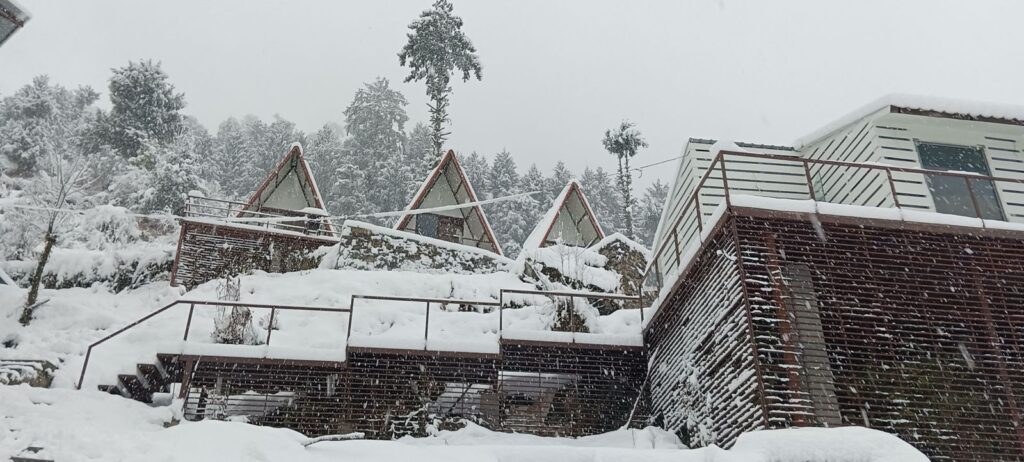
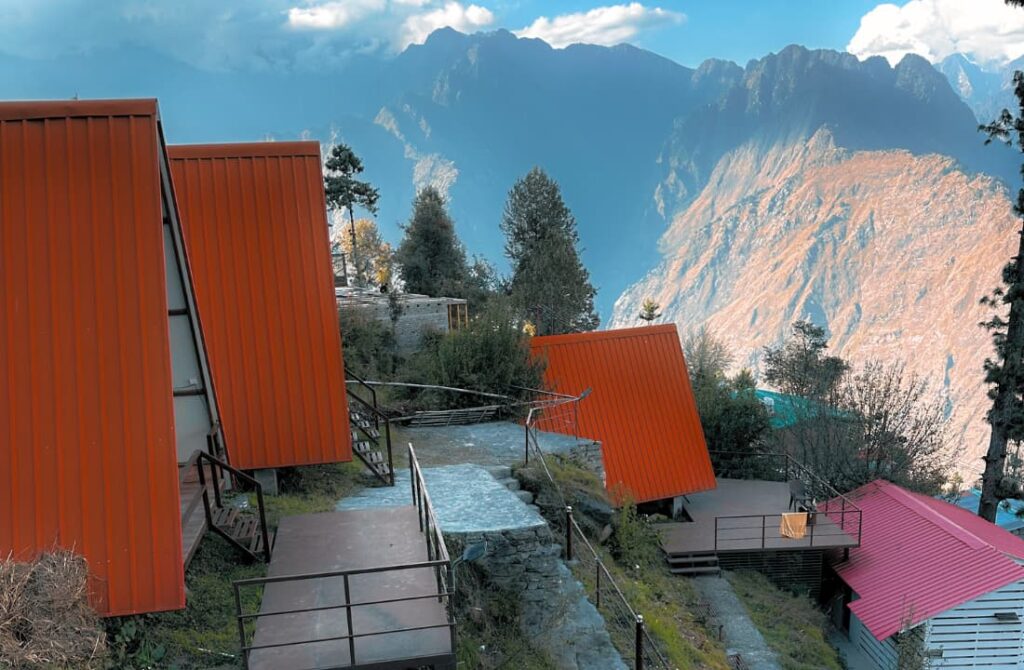
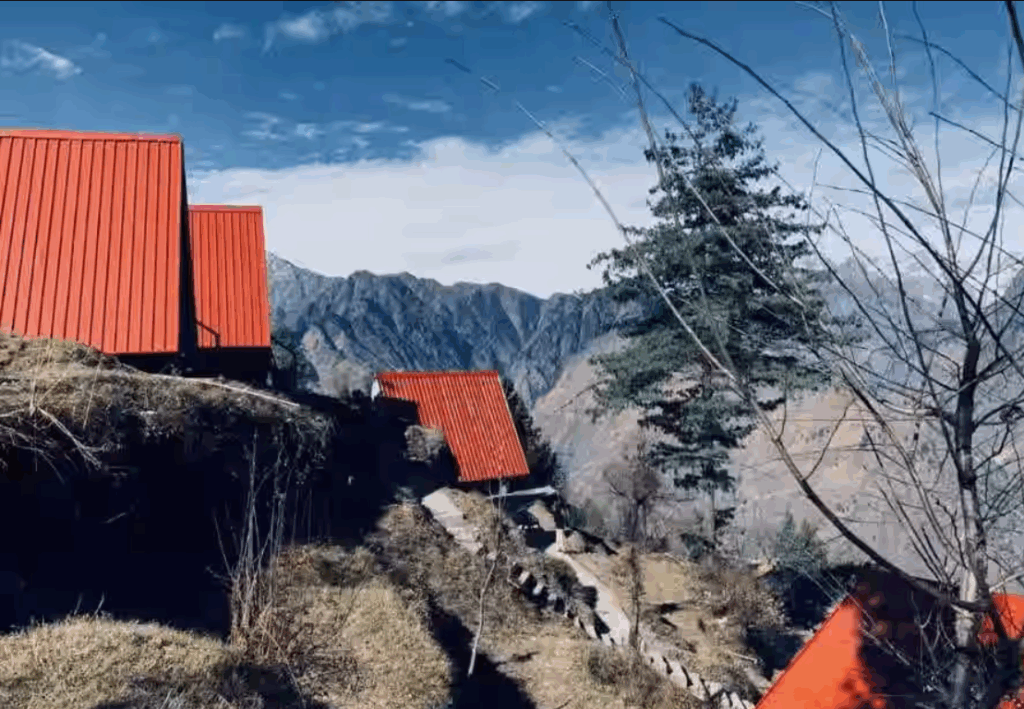
Blackberry Cottages & Resort is staffed by people from the Garhwal region, and our team is a genuine resource for exactly this kind of context — what a festival happening during your stay actually means, what temple etiquette applies where you are headed, which local dishes are worth asking for beyond the standard menu. Our solo travel guide mentions a visit to the Narsingh Bhagwat temple as one of the more meaningful things to do in Joshimath, and it is exactly the kind of visit that rewards a little cultural context beforehand. Ask us before you head out, and you will get a considerably richer version of whatever you are about to see.
For local cultural context, festival timings during your stay, or general guidance, reach us at blackberrycottagesauli.com or on WhatsApp.
