
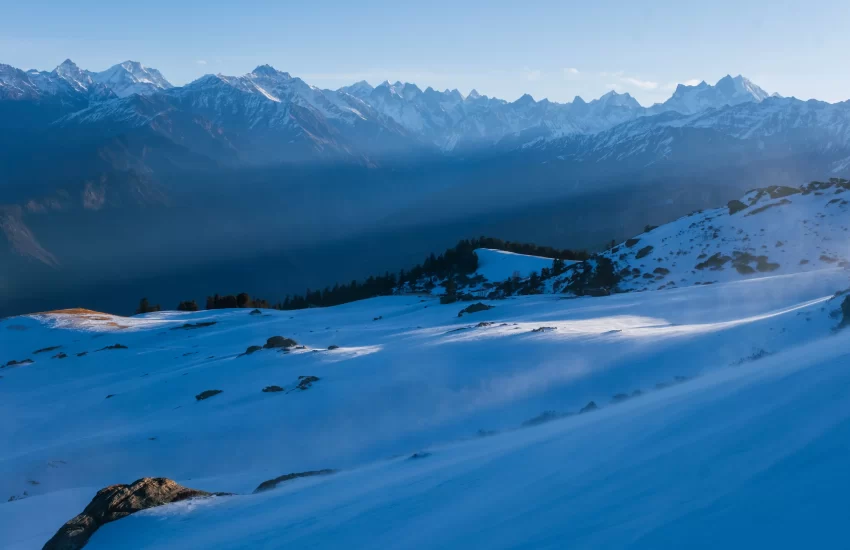
Sometimes a geography lesson is the only way in. Kuari Pass sits at roughly 3,800 metres (12,500 feet) above the village of Dhak, itself a 20 to 30 minute drive from Joshimath. The trek to it is rightly one of the most celebrated in the Indian Himalayas — a multi-day walk through oak and rhododendron forest into open bugyal meadows, with a summit day that delivers one of the widest Himalayan panoramas available to a trekker of moderate fitness anywhere in the country. What almost no trek itinerary spends much time on is the question of where you actually sleep the night before you start, and where you actually recover the night you come back down. That question matters more than most trekkers realise, and it is the one this guide answers.
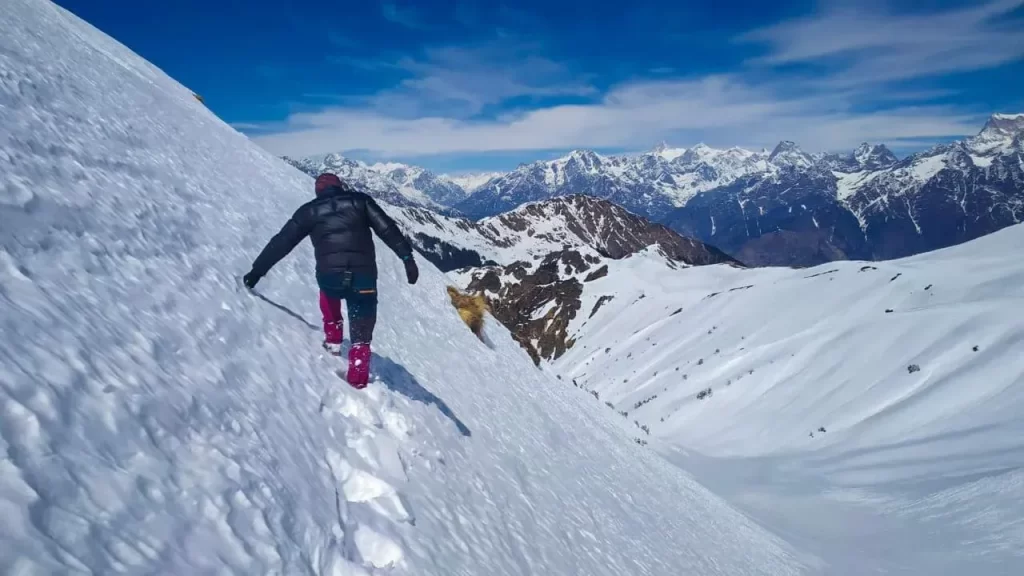
Every Kuari Pass trek, however it is organised, begins and ends in the same place — Joshimath, the only town in the region with the road access, the altitude, and the infrastructure to function as a proper base. The trek itself — the trailhead drop to Dhak village, the days on the trail, the summit push, the descent — is largely out of your hands once it begins. What is entirely in your hands is where you stay in Joshimath on either side of it, and that decision affects your trek more than most people budget for when they are booking.
This guide covers what the Kuari Pass trek actually demands from your Joshimath base, what to look for in a pre- and post-trek stay, and why Blackberry Cottages & Resort — positioned at Auli Laga, Joshimath — has become the base of choice for a growing number of Kuari Pass trekkers, independent of which trek operator or group they are travelling with.
Kuari Pass — At a Glance
| Summit altitude | Approximately 3,800 metres (12,500 feet) |
| Trailhead | Dhak village, 20 to 30 minutes by road from Joshimath |
| Typical duration | 5 to 6 days including acclimatization and buffer days |
| Difficulty | Moderate — suitable for trekkers with reasonable fitness and some acclimatization preparation |
| Best season | April to June, September to December |
| Base town | Joshimath, 6,150 feet — the only sensible pre- and post-trek base in the region |
| What the view includes | Nanda Devi, Dronagiri, Hathi Parbat, Kamet and the wider Garhwal Himalayan range |
| Where trekkers actually need to be | A base close to the trailhead drop point, at a comfortable altitude, with reliable hot water and food on return |
Why Joshimath Is the Only Base That Makes Sense
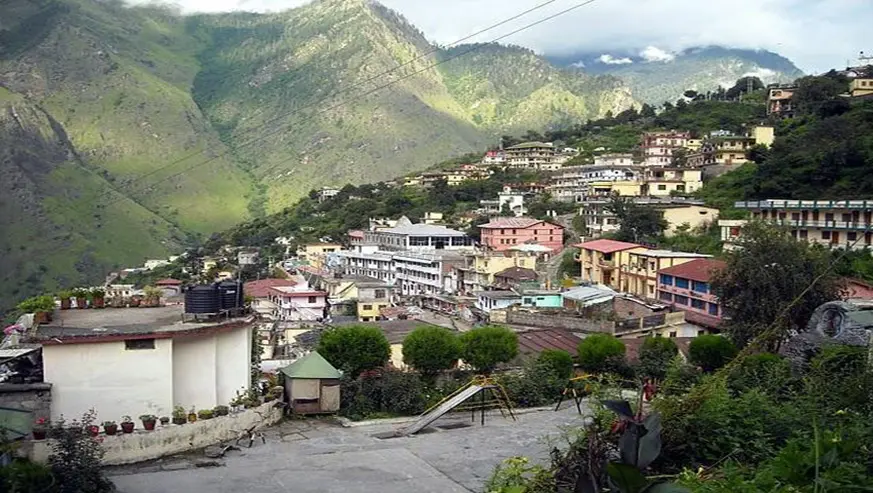
Auli might seem like the more scenic option on paper, and for a leisure stay it often is. For a Kuari Pass trek specifically, it is the wrong choice, and this is one of the more common mistakes trekkers make when booking independently. Staying in Auli means an extra cable car or road leg down to Joshimath before you even reach the taxi or jeep to Dhak village — added time, added cost, and one more variable in a morning that already starts early. Every trailhead in the region, Dhak village included, is accessed from Joshimath directly. Basing yourself anywhere else simply adds a leg to a journey that does not need one.
Joshimath’s altitude also does real work here. At 6,150 feet, it sits comfortably below where most travellers feel any altitude effect, which means your first night in the region — arriving from Delhi, Dehradun or Rishikesh — is spent adjusting at a manageable height rather than compounding a long travel day with a jump straight to altitude. Our altitude sickness guide goes into this in more depth, but the short version for Kuari Pass trekkers is this: a night in Joshimath before you climb to Dhak village and beyond is not a delay, it is preparation.
Before the Trek — What Your Base Actually Needs to Do
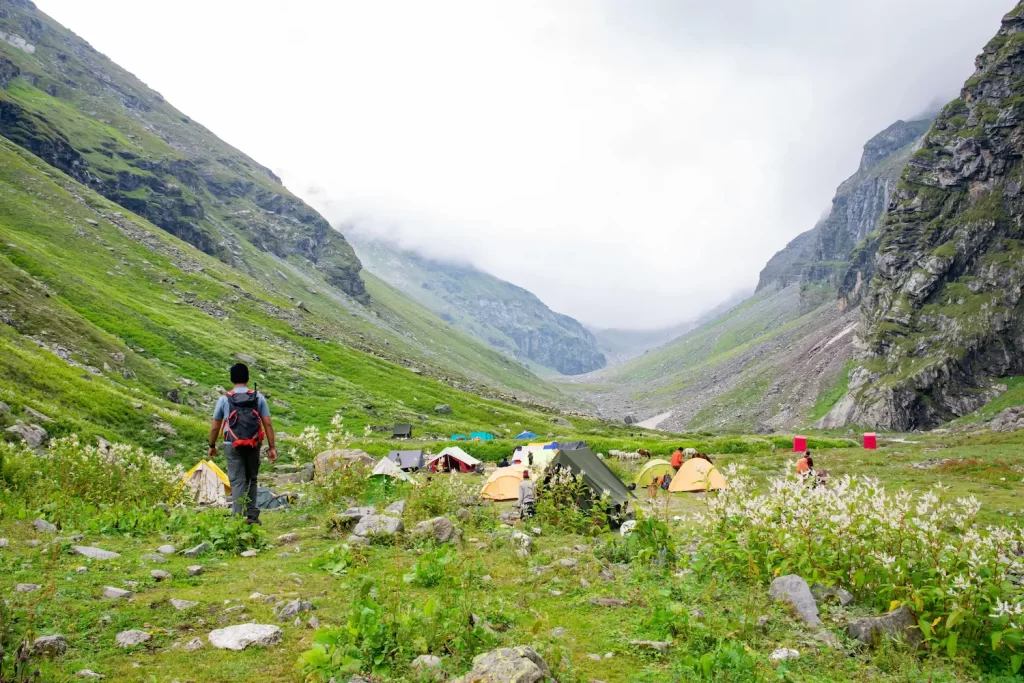
Get you to Dhak village on time, without a logistics scramble. Trek drops to Dhak leave early, and a base that has done this run daily for years, rather than one arranging it for the first time on your behalf, is the difference between a calm 6 am departure and a stressful one. This is less about distance — Dhak is only 12 kilometres from Joshimath — and more about a driver who knows exactly where the trek operator’s meeting point is and gets you there without a wrong turn or a late start.
Store what you are not carrying up the mountain. Every Kuari Pass trekker arrives with more luggage than they take onto the trail — a change of city clothes, a spare charger, whatever you do not need at 3,800 metres. A base that safely holds this for you while you are gone, and hands it straight back on your return, removes one more thing to think about before a 6 am departure.
Give you one genuine acclimatization walk before you start. If your itinerary allows even a single spare day in Joshimath before the trek, a walk to Gorson Bugyal — the 3-kilometre alpine meadow above the Auli cable car top station — is the single best preparation available in the region. Our Gorson Bugyal trek guide covers it in detail. You go to 3,056 metres during the day and sleep back down in Joshimath at night, which is exactly the acclimatization principle that makes the higher push to Kuari Pass go more smoothly a day or two later.
Feed you properly and let you sleep early. A trek start is not the night for a late dinner or a noisy property. Hot food, a genuinely quiet room, and a team that understands you need to be asleep by 9 pm and awake by 5 am is a small thing that matters enormously the night before a multi-day trek.
After the Trek — What Your Base Actually Needs to Do
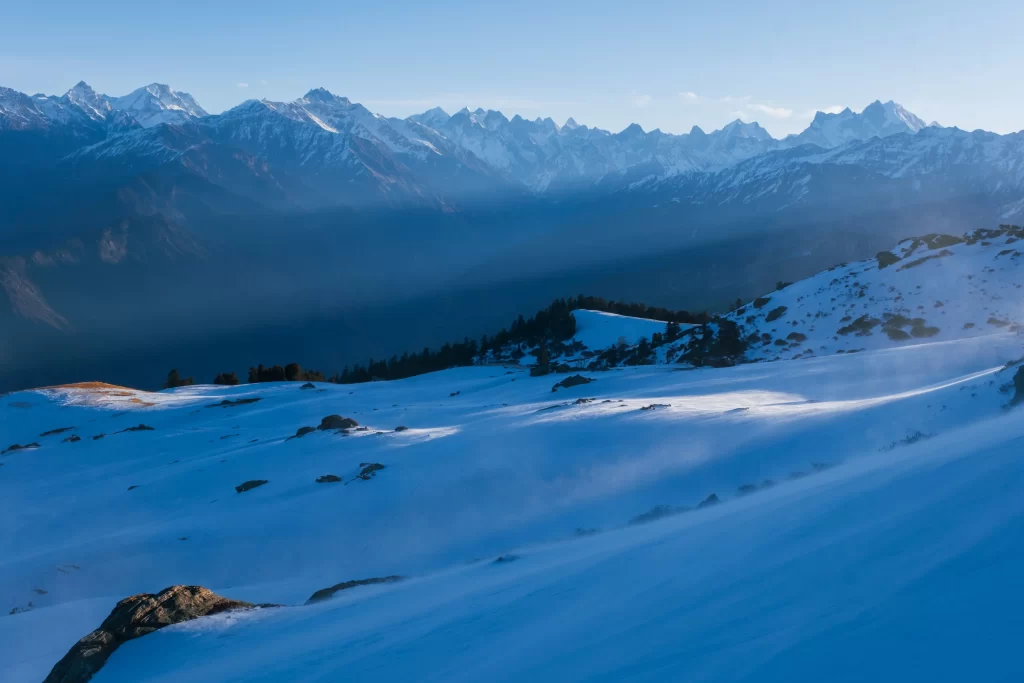
Have hot water ready when you need it, not eventually. Five or six days on the trail, camping at altitude, ends with one specific and urgent need — a proper hot shower, not a bucket of lukewarm water arranged after some delay. This is one of the most consistently underrated parts of trek logistics, and it is exactly the kind of thing a good base gets right without being asked.
Feed you a real meal, not a limited late menu. Trekkers coming down from Kuari Pass are often arriving later than planned, tired, hungry, and in no state to negotiate a kitchen that has stopped serving for the day. A base that keeps a hot meal ready for returning trekkers, whatever time they actually arrive, understands what the end of this specific trek looks like.
Let you actually rest before the next leg of your journey. Whether you are heading onward to Badrinath, back to Rishikesh, or simply want a full day of doing nothing before travelling home, a base that does not rush you out the morning after a multi-day trek — and that understands why you might want a late checkout — makes the difference between a trip that ends well and one that ends in exhaustion.
Things to Do When Choosing a Base for Kuari Pass
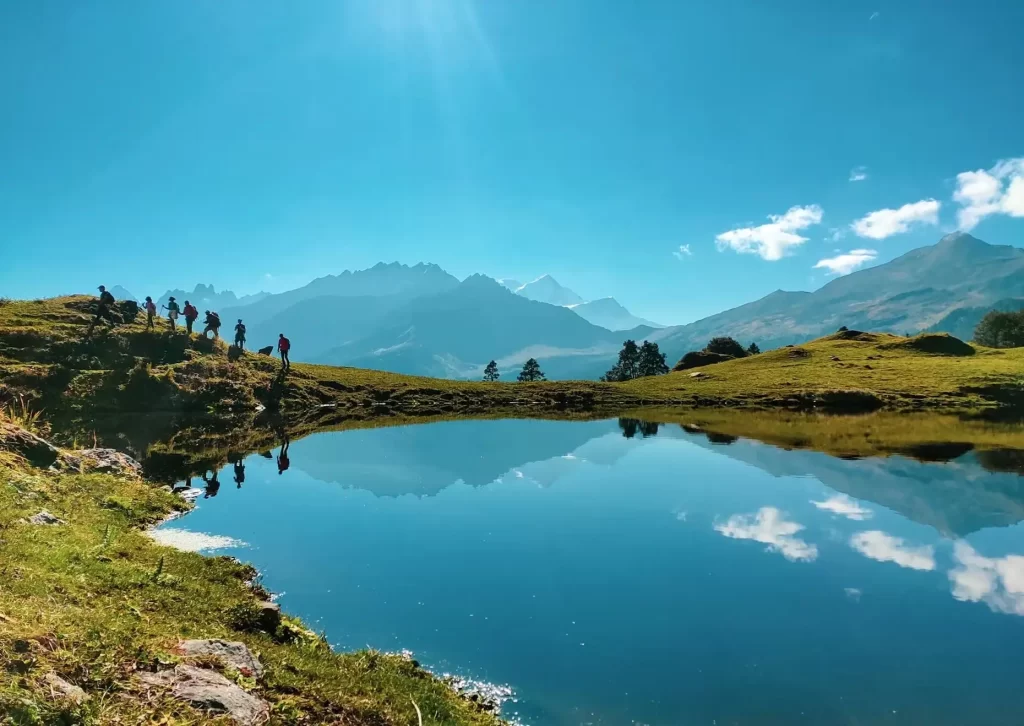
Ask directly whether the property arranges the Dhak village trek drop. Not every property in Joshimath does this smoothly, and it is a fair, direct question to ask before you book — not something to discover the morning your trek begins.
Confirm luggage storage is genuinely available and secure. A verbal “yes, sure” is different from a property that actually has a system for this. Ask specifically, and ask what happens if your trek runs a day longer than planned.
Ask about hot water timing and post-trek food, specifically. This is not a generic hotel amenity question — it is the single most relevant comfort question for a Kuari Pass trekker, and a property that has hosted trekkers before will have a clear, confident answer.
Book your pre- and post-trek nights before you book the trek itself, if you can. Trek operators handle the days on the trail. They rarely handle where you sleep on either side of it with the same care, and availability in Joshimath tightens considerably in peak trekking season — April to June and September to November.
Things Not to Do
Assume any Joshimath stay will do because it is only for one or two nights. The night before and the night after a Kuari Pass trek are not incidental nights — they are the nights that determine how prepared and how recovered you are for the parts of the trip that actually matter. Choose them with the same care you would choose the trek operator.
Base yourself in Auli to “make the most of the views” before a Kuari Pass trek. The views are genuinely worth seeing, but not at the cost of an extra transport leg added to an already early trek-drop morning. See Auli before or after your trek dates, not as your base during them.Skip the acclimatization walk because the itinerary has a buffer day built in. A buffer day spent resting in a room is not the same as a buffer day spent walking to altitude and back. If you have a spare day before Kuari Pass, use it actively, not passively.
OVERRATED
The idea that a base camp tent experience is a substitute for a real bed on either side of the trek. Camping through the trek itself is the point, and there is no substitute for it on the trail. But treating the pre- and post-trek nights the same way — as more camping, more discomfort, more of the same — misunderstands what those nights are for. They are for recovery and preparation, and a real bed, hot water and a proper meal do that job better than a tent ever will.
Choosing a base purely on proximity to Dhak village and nothing else. Distance to the trailhead matters, but a base that is close to Dhak and offers nothing else — no reliable hot water, no post-trek meal flexibility, no acclimatization advice — has only solved one part of the problem. Location without the rest of the service is not the win it appears to be on a map.
Overpacking for comfort on the assumption your base won’t provide it. Trekkers sometimes carry extra towels, snacks and comfort items assuming their Joshimath stay will be basic. A base that is properly set up for trekkers makes a fair amount of this unnecessary — ask what is actually provided before you overpack for a problem that may not exist.
Kuari Pass Trek — Practical Joshimath Logistics
| Joshimath to Dhak village (trailhead) | 12 km, 20 to 30 minutes by road |
| Recommended pre-trek nights in Joshimath | Minimum 1, ideally 2 for acclimatization |
| Recommended acclimatization activity | Gorson Bugyal walk from Auli top station |
| Trek drop departure time | Typically 6 to 7 am — book the vehicle the evening before |
| Return to Joshimath | Variable by itinerary — a base with flexible late checkout matters |
| What to leave at your Joshimath base | City clothes, spare charger, anything not needed above Dhak village |
Why Blackberry Cottages Is the Right Choice for Kuari Pass Trekkers
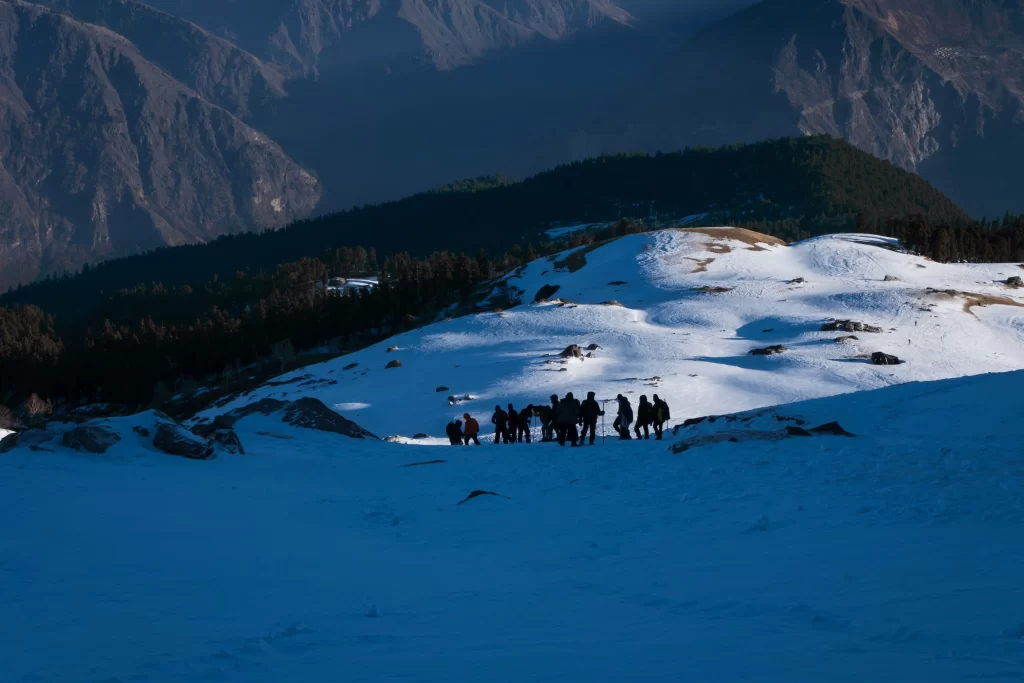
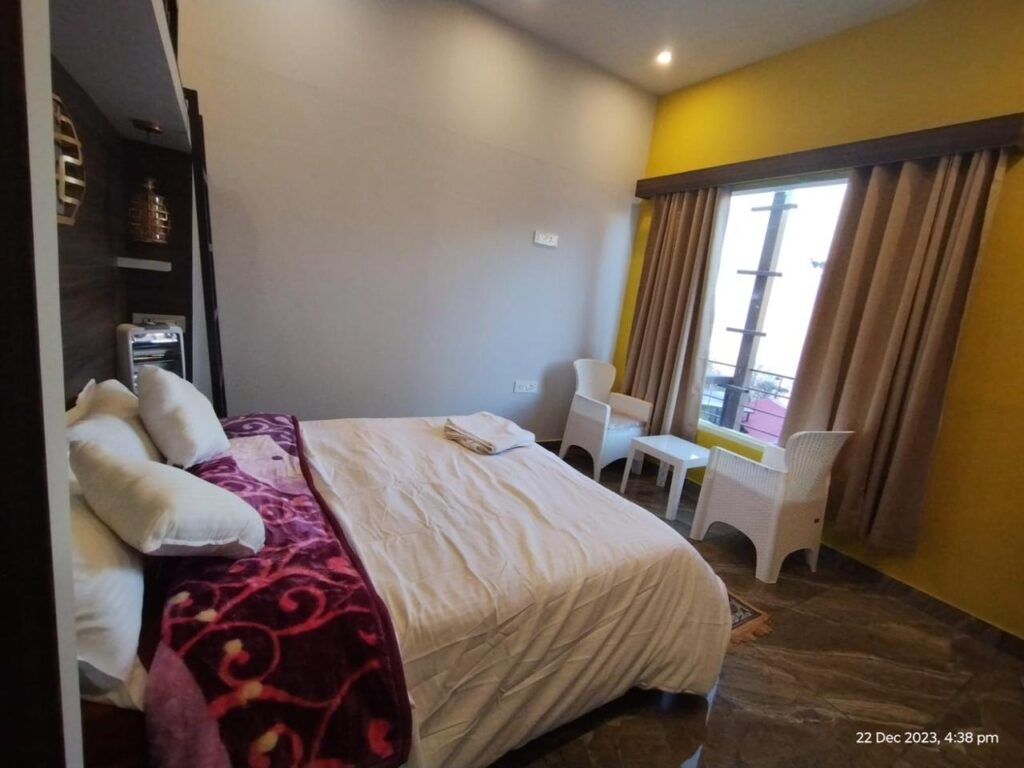
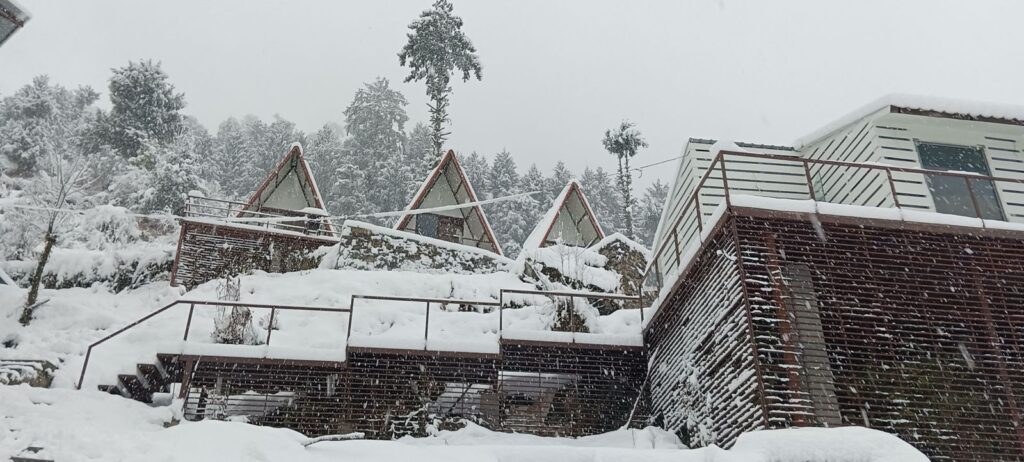
Blackberry Cottages & Resort is at Auli Laga, Joshimath — close to the main bazaar, close to the cable car base, and in daily contact with the drivers who run the Dhak village trailhead route regardless of which trek operator you are travelling with. We arrange the trek-start vehicle at whatever hour your trek requires, hold your extra luggage securely for the duration of your trek, and keep a hot meal and genuinely hot water ready for whenever you actually come back down — not on a fixed schedule that assumes your trek returned exactly on time.
We also know the acclimatization side of this properly. If you have a spare day before your trek, we will point you to Gorson Bugyal rather than let you spend it in a room, and we can talk you through a sensible arrival schedule if you are travelling straight from Delhi or Dehradun. None of this requires you to be staying with us for your entire trip — trekkers travelling with any operator, or organising Kuari Pass independently, are equally welcome to base their pre- and post-trek nights with us.
For pre- and post-trek bookings, luggage storage arrangements or trek-drop timing, reach us at blackberrycottagesauli.com or on WhatsApp.
