
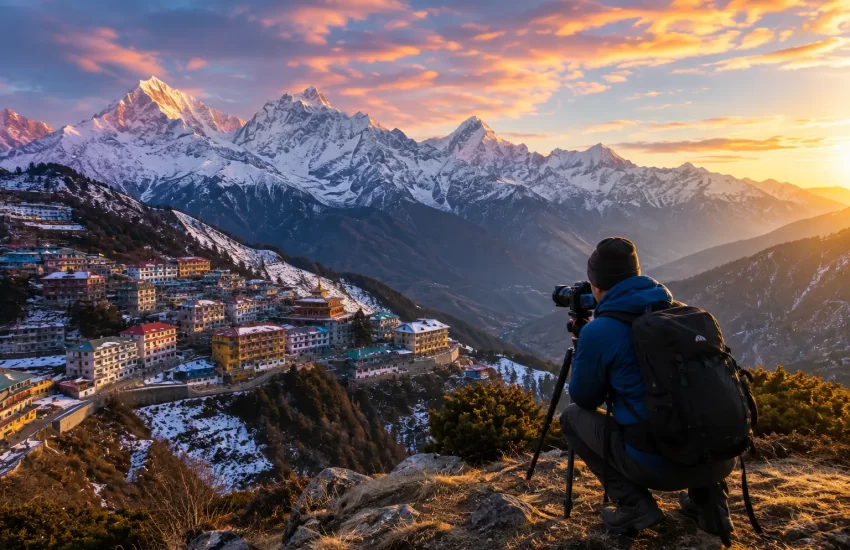
Sometimes a geography lesson is the only way in. Joshimath sits at the junction of several rivers and several roads, at 6,150 feet, with Auli’s open snowfields rising above it to 8,200 feet and an alpine meadow another 800 metres higher still at Gorson Bugyal. Between the town, the cable car, the meadow and the river confluences on the approach roads, this stretch of the Garhwal Himalayas offers a genuinely wide range of photographic subjects within a short radius — snow peaks, alpine meadows, a working mountain bazaar, sacred rivers, and some of the clearest night skies available anywhere in India. Most visitors photograph a fraction of what is actually available, mostly because nobody tells them where to look or when to be there.
This guide is that missing brief. It covers the specific locations worth photographing around Joshimath and Auli, the best light and season for each, practical gear advice that does not require you to be a professional, an honest note on drone photography, and the etiquette that separates a respectful traveller with a camera from one who is, whether they mean to or not, being a nuisance.
This guide covers the Auli cable car ride, Gorson Bugyal meadow, the Joshimath bazaar, the Narsingh temple and Shankaracharya Math, the Panch Prayag river confluences, and night sky photography — along with the best season for each, practical gear tips, drone photography guidance, and the etiquette worth knowing before you point a camera at anyone.
Photography in Joshimath and Auli — At a Glance
| Best overall light | Early morning, before 10 am, and the last hour before sunset |
| Best season for clarity | September to November — post-monsoon skies at their sharpest |
| Best season for colour | April to May — rhododendron bloom and green meadows |
| Best subject for a single shot | Gorson Bugyal meadow with the Nanda Devi panorama |
| Night sky photography | Genuinely excellent, away from town lights, on clear moonless nights |
| Drone photography | Requires caution — check current regulations and restricted zones before flying |
| Gear needed | A phone or basic camera is genuinely sufficient for most of this guide |
The Auli Cable Car Ride
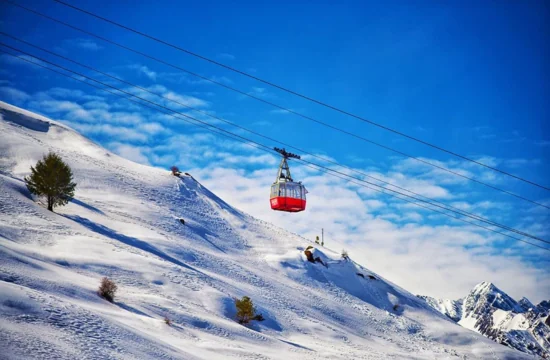
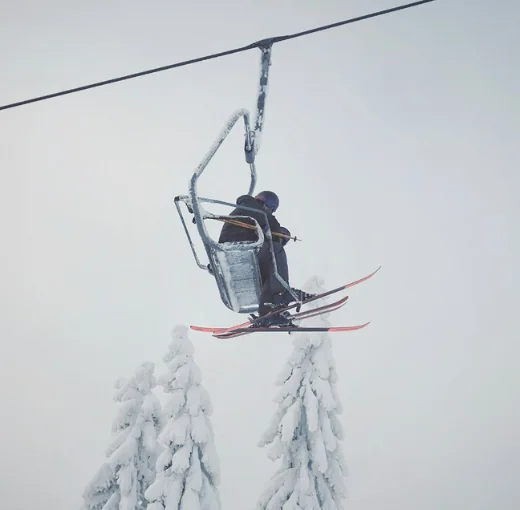
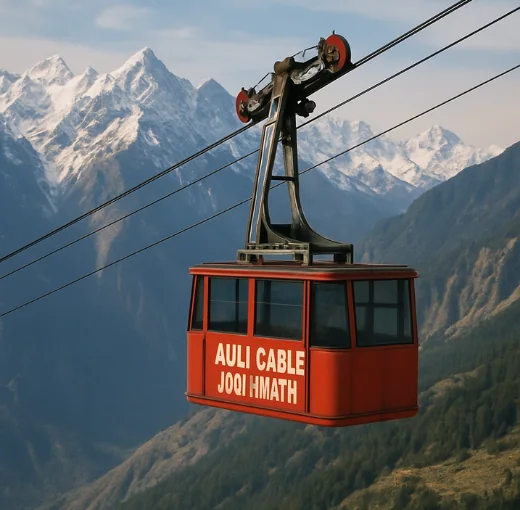
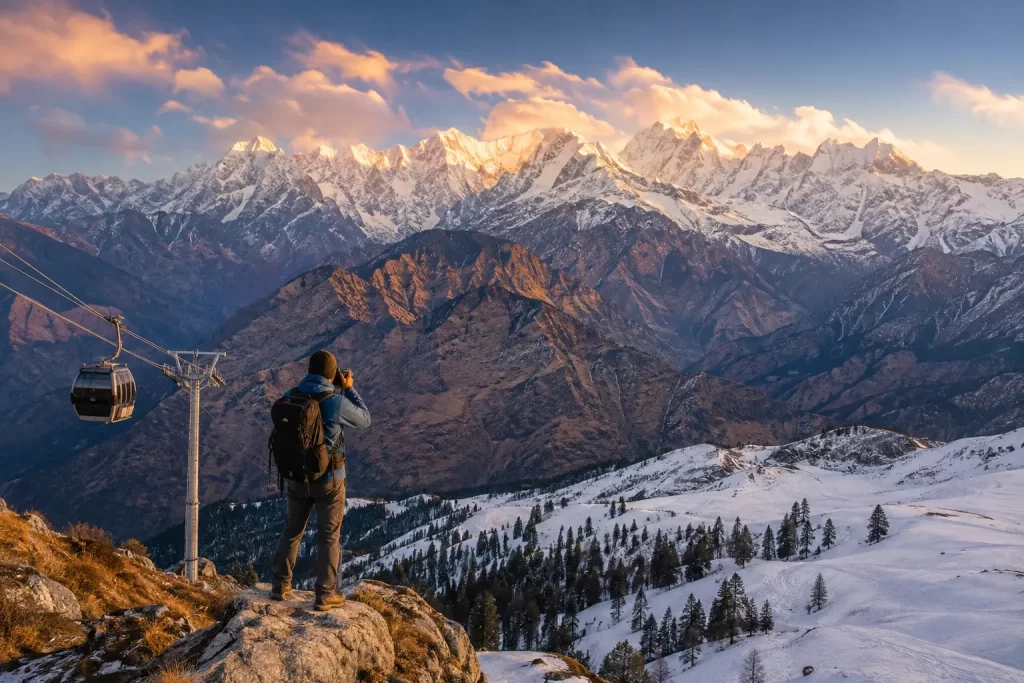
The 25-minute gondola ride from Auli Laga to the top station is one of the more unusual photographic opportunities in the region simply because the subject changes continuously — town giving way to pine forest, pine forest giving way to open snowfield, the Garhwal Himalayan skyline appearing progressively as you climb. Shooting through the cabin glass has obvious limitations, so if a clear shot matters to you, ask about window position when boarding, and accept some reflection and glare as the trade-off for the vantage point. Morning cabins, before the midday haze builds, generally give the clearest long-range views of the peaks.
Gorson Bugyal — The Best Single Shot in the Region
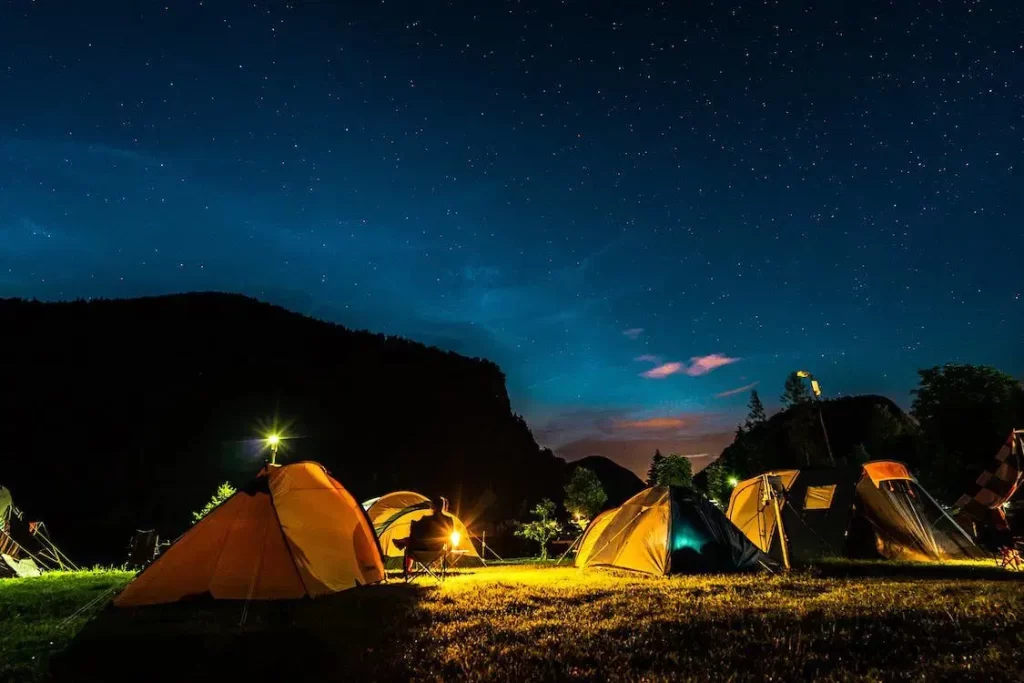
If you have time for only one deliberate photography outing during your stay, make it the walk to Gorson Bugyal. The meadow’s wide bowl, framed by Nanda Devi, Kamet, Mana Parbat and Dronagiri, is the single most rewarding photographic subject within reach of Joshimath, and the light in the early morning — before the haze builds and while the grass or snow still carries the low-angle glow of sunrise — is considerably better than a midday visit. Our Gorson Bugyal trek guide covers the walk itself in detail, and the same guidance applies here — arrive early, and give the meadow the time it takes to actually watch the light change rather than shooting a handful of frames and moving on.
Joshimath Bazaar and Street Life
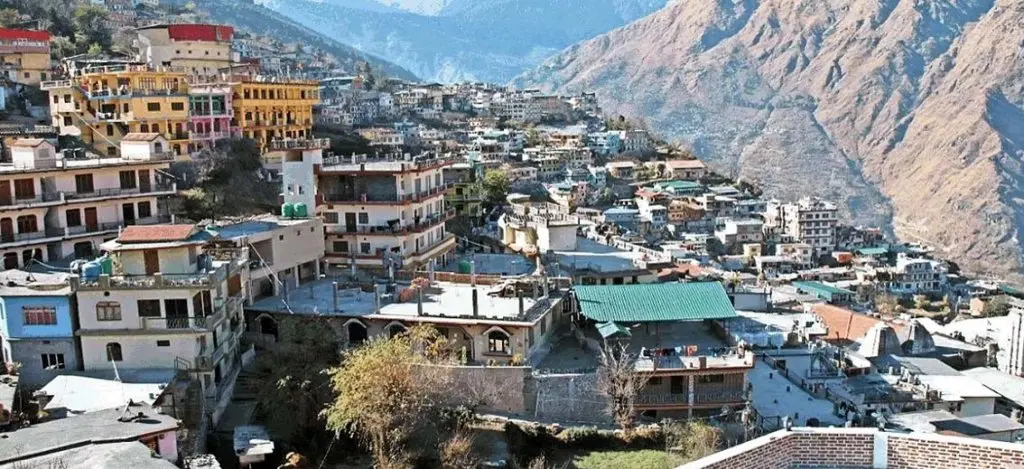
The main bazaar offers genuine, unposed street photography — shared jeeps loading, shopkeepers and pilgrims moving through, the ordinary business of a mountain town. This is also the category of photography where etiquette matters most directly, since you are photographing people going about their lives rather than a landscape. A brief, friendly request before photographing someone directly is the difference between a welcome interaction and an intrusive one, and it is almost always answered generously when asked properly.
Narsingh Temple and the Shankaracharya Math
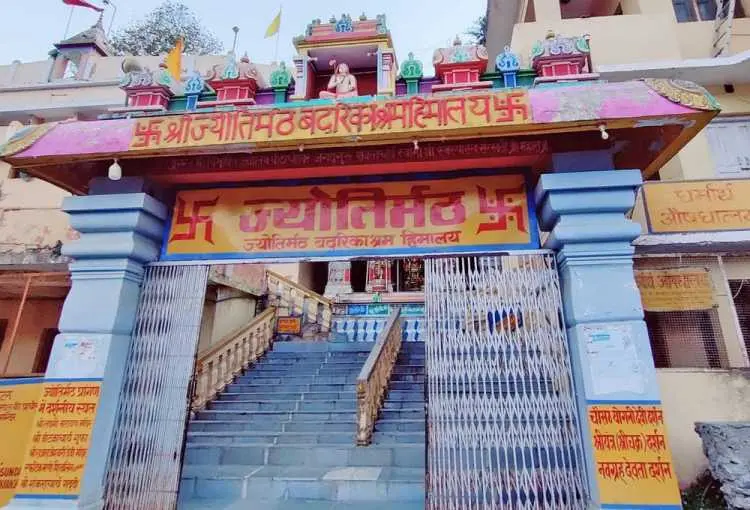
Both sites offer meaningful photographic subjects, and both come with the same caveat — ask about photography policy before shooting inside either complex, particularly near shrine areas or during any ongoing ritual. The exteriors and the general setting are almost always fine to photograph; the interior shrine areas frequently are not, and assuming otherwise is one of the more common missteps visiting photographers make at active religious sites.
Vishnuprayag and the Panch Prayag Confluences
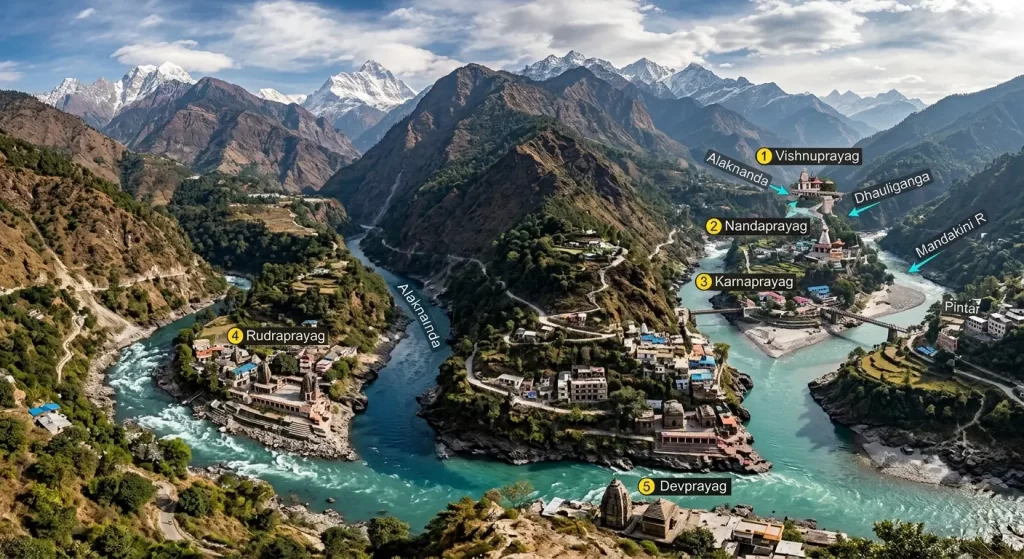
The dramatic meeting of the Alaknanda and Dhauliganga at Vishnuprayag, a short 12-kilometre drive from Joshimath, is a genuinely striking subject for anyone willing to bring a tripod and slow the shutter down slightly to render the water with some movement rather than freezing it entirely. The colour contrast between the two rivers at the point of confluence is often clearer in person than it photographs, so patience with light and angle pays off here more than at most single-stop locations. Our Panch Prayag guide covers all five confluences along the route if you are travelling further afield.
Night Sky Photography
Joshimath’s altitude and relative distance from major light pollution make it a genuinely good base for night sky photography, particularly on clear, moonless nights away from the immediate glow of the bazaar. A tripod is close to essential here — even a phone can produce a reasonable result with a long-exposure night mode and a stable base, and a dedicated camera with a wide, fast lens will do considerably better. Dress for the cold specifically for this — standing still outdoors at altitude after dark is meaningfully colder than moving during the day, and a rushed, underdressed session produces worse photographs than a properly prepared one.
Best Time of Year for Photography
April and May bring the rhododendron bloom on the approach to Gorson Bugyal, greening meadows, and generally clear skies before the monsoon — one of the best combinations of colour and clarity available all year.
June is a quieter transition month — the bloom is largely over, but visibility remains good before the monsoon cloud arrives, and the meadows are fully green.
July and August, the monsoon months, are the hardest for photography specifically — persistent cloud cover frequently obscures the peaks, though the lower valley and the rivers, swollen with monsoon flow, offer their own distinct subject if you happen to be travelling during this period regardless.
September through November offer the sharpest visibility of the year, with post-monsoon clarity extending visibility across the full Garhwal Himalayan panorama and the meadow grass turning gold — widely considered the finest season for photography in the region.
December through March bring snow to Auli and Gorson Bugyal, a completely different photographic character — stark, white, quiet — and genuinely excellent conditions for anyone specifically chasing winter mountain photography, provided you are prepared for the cold.
Gear and Practical Tips
A smartphone is genuinely sufficient for the majority of what this guide covers — the cable car ride, the bazaar, general landscape shots at Gorson Bugyal. A dedicated camera earns its weight specifically for the long-range peak detail from Gorson Bugyal, night sky photography, and slow-shutter river shots at the Prayags. A lightweight travel tripod is worth carrying if either of the latter two interests you. Cold affects battery life noticeably above Auli’s altitude — carry a spare battery and keep it warm in an inner pocket rather than an outer one, and expect condensation when moving a cold camera into a warm room, which is worth letting settle before you put the camera away.
Drone Photography — What to Know
Drone photography in this region requires genuine caution, not casual assumption. Chamoli district, where Joshimath and Auli sit, is in proximity to sensitive border areas, and Indian drone regulations include restricted and no-fly zones that can apply here regardless of how straightforward flying a drone might seem in an open meadow. Regulations, permitted zones and permission requirements change and are not something we are able to confirm as fixed at any given time — if you are planning to bring a drone, check the current Indian drone rules (DGCA regulations) and confirm locally whether Auli or the specific area you intend to fly in requires prior permission or falls in a restricted zone, before you travel with the expectation of flying it. Flying without the correct permission in a restricted area is a genuine legal risk, not a minor technicality.
Photography Etiquette
Ask before photographing people directly, particularly in the bazaar, at temples, or during any local ritual or festival you happen to encounter. Our Garhwali culture and customs guide covers this in more depth — the short version is that a friendly request is almost always answered well, and skipping it is where most photography missteps happen.
Respect photography restrictions at religious sites without arguing the point. If a shrine area or an ongoing ritual is off-limits to cameras, that restriction exists for reasons specific to the site’s traditions, not as an arbitrary inconvenience aimed at you.
Be mindful of your group or trekking companions if you are stopping frequently for photographs. A few extra minutes here and there adds up over a full day, and a considerate photographer communicates this rather than assuming everyone else is equally happy to wait indefinitely.
Things to Do
Get to Gorson Bugyal early, specifically for the light. The difference between a mid-morning arrival and an early one is considerable, both in crowd and in the quality of light on the peaks.
Carry a tripod if night sky or river photography interests you. Both genuinely benefit from a stable, longer exposure that a handheld shot cannot achieve.
Ask locals and your accommodation about current weather and visibility before planning a photography-focused day. Cloud cover on the higher peaks is common in parts of the year, and a day planned around clear peak visibility is worth confirming rather than assuming.
Things Not to Do
Assume drone use is simple and unrestricted because the terrain looks open and empty. Confirm current rules and any local restrictions before you fly, not after.
Photograph religious ceremonies, temple interiors or individuals without asking first. This is the single most common way a photographer causes genuine offence in this region, and it is entirely avoidable with one polite question.
Chase a sunrise or sunset shot without checking the weather first. Cloud cover over the high peaks is common enough in parts of the year that a planned shot can simply not happen — build in flexibility rather than a single fixed attempt.
OVERRATED
Expensive gear as a prerequisite for good photographs here. The single best photograph most visitors take in this region is a wide landscape shot at Gorson Bugyal or from the cable car, both of which a competent smartphone handles perfectly well. Save the specialised gear for night sky or river long exposures specifically, where it genuinely makes a difference.
Treating a drone as an easy way to get “the shot” without doing the regulatory homework first. The photograph is not worth the legal risk of flying somewhere it turns out you should not have.
Photographing at Joshimath and Auli from Blackberry Cottages
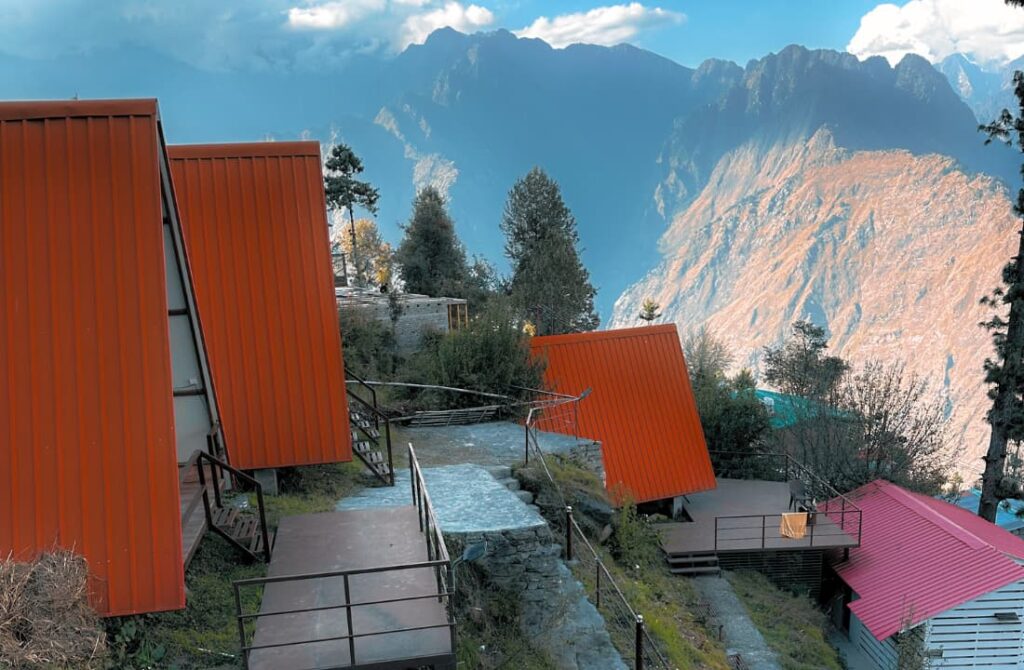
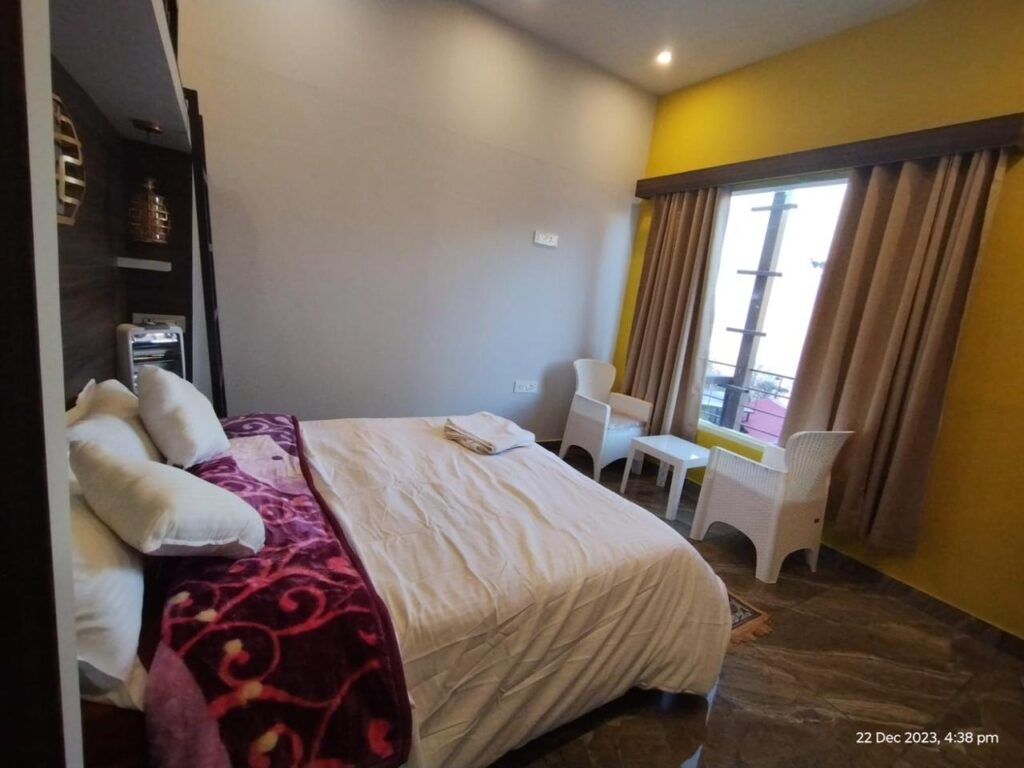
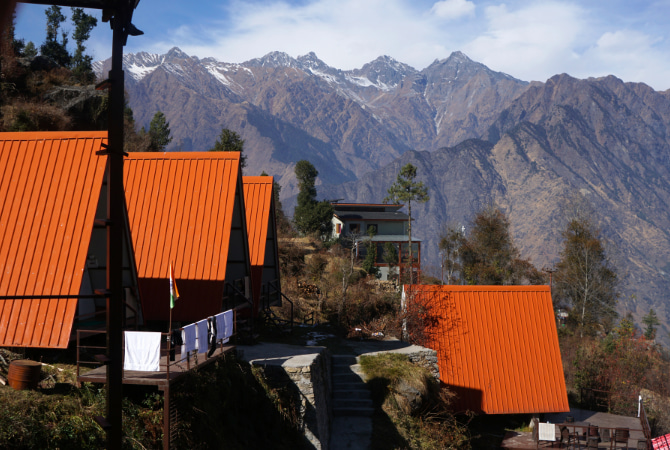
Blackberry Cottages & Resort is at Auli Laga, Joshimath, close enough to the cable car base that an early departure for the best morning light is straightforward to arrange. Our team can advise on current weather and visibility before you commit a day to a specific shot, point you toward the Narsingh temple and Shankaracharya Math with the context needed to ask the right etiquette questions on arrival, and help you plan a night sky session away from the immediate glow of the bazaar if clear skies and a moonless night line up during your stay.
For advice on timing, weather or planning a photography day, reach us at blackberrycottagesauli.com or on WhatsApp.

[…] a genuine advantage — higher altitude, and further still from any significant light source. Our photography guide to Joshimath and Auli covers the specific camera-side tips for capturing what you are seeing, if you want to bring the […]