
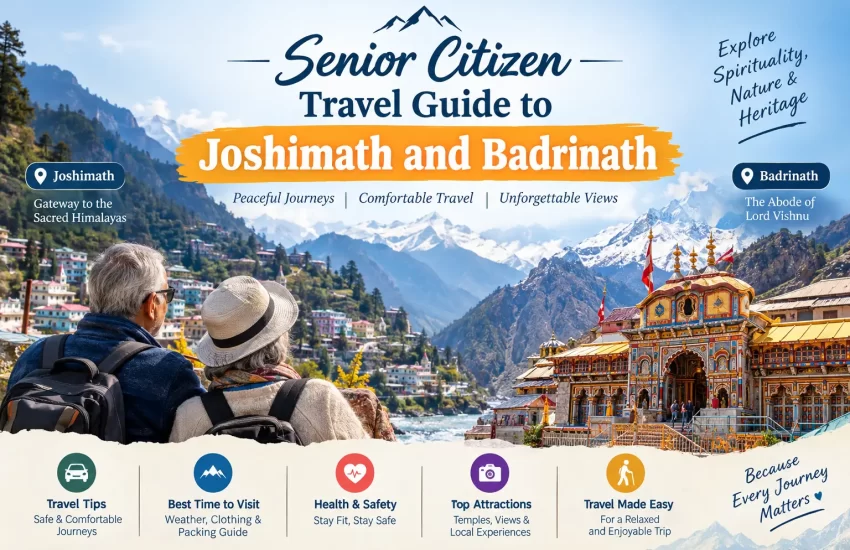
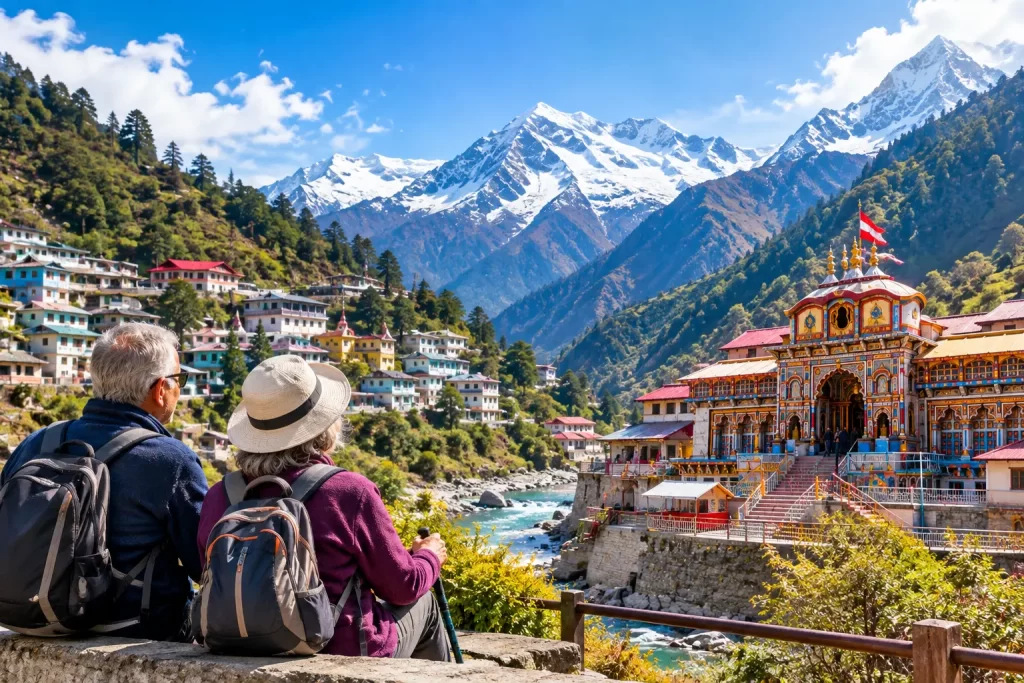
Sometimes a geography lesson is the only way in, and this one starts with a fact that surprises a lot of families planning a trip for older parents or grandparents: Badrinath itself requires no trekking at all. Unlike Kedarnath, which demands a genuine trek or a helicopter, or Hemkund Sahib and the Valley of Flowers, both reached by climbing well above the treeline, Badrinath temple sits at the end of a motorable road — you can travel from Joshimath by car directly to within a short, manageable walk of the temple itself. This single fact makes Badrinath one of the more genuinely accessible major pilgrimage sites in the entire Himalayan circuit for older travellers, and it deserves to be far better known than it currently is.
That does not mean a trip to Joshimath and Badrinath requires no planning for an older traveller. Altitude, a long road journey, cold temperatures and the ordinary physical demands of unfamiliar terrain all matter more as we age, and a trip planned with genuine care for those realities is considerably more enjoyable than one planned as though age makes no difference at all. This guide is built specifically around that honest middle ground — neither pretending the trip requires no adaptation, nor assuming it is out of reach.
This guide covers why Badrinath is genuinely accessible for older travellers, how to plan the road journey comfortably, altitude and health precautions worth taking seriously, mobility considerations at the temple and in Joshimath, what to realistically expect from Auli and its cable car, and how to pace the whole trip sensibly.
Senior Travel to Joshimath and Badrinath — At a Glance
| Trekking required for Badrinath | None — reachable by road |
| Altitude at Badrinath | Approximately 3,133 metres (10,280 feet) |
| Altitude at Joshimath | 6,150 feet — comfortable for most travellers |
| Recommended transport | Private taxi rather than shared jeep or overnight bus |
| Recommended pace | One activity per day, with genuine rest days built in |
| Cable car to Auli | Manageable for most — no walking required to reach the top station |
| Gorson Bugyal walk | Optional — a 3 km walk with incline, not required to enjoy Auli |
The Good News — Badrinath Requires No Trekking at All
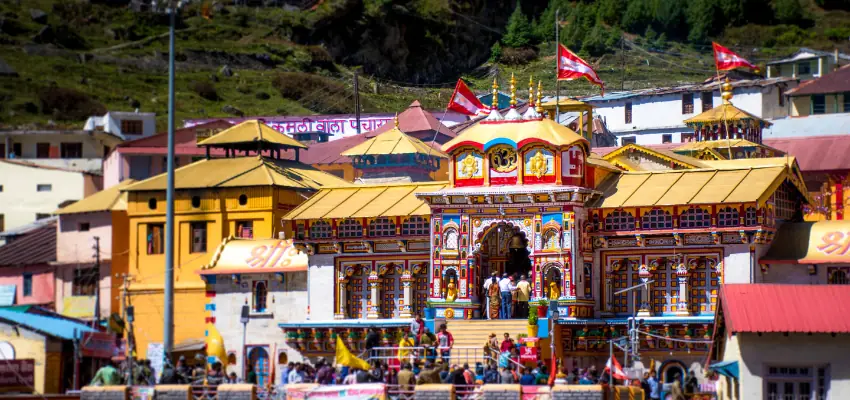
It is worth saying this plainly because so many families assume otherwise: the drive from Joshimath to Badrinath is 45 kilometres of road, taking 1.5 to 2 hours, ending close enough to the temple that only a short, level-to-gently-inclined walk separates the vehicle from the shrine itself. This is a fundamentally different proposition from Kedarnath’s 16-kilometre trek or Hemkund Sahib’s steep climb above the treeline, and it means an older traveller who can manage a short walk and a period of standing or sitting can genuinely complete this pilgrimage without the physical demands that rule out so many of the other major Himalayan shrines.
Planning the Journey Comfortably
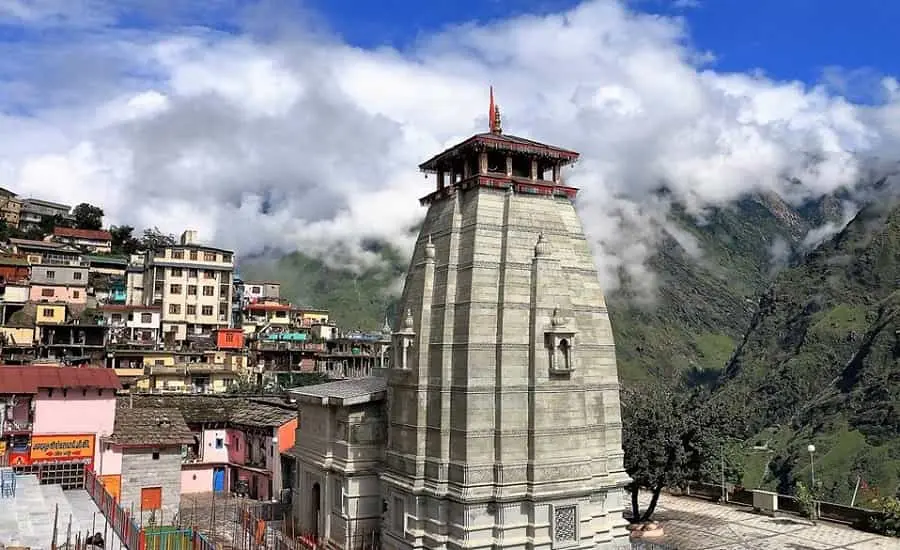
The road journey to Joshimath, whether from Delhi, Dehradun, Haridwar or Rishikesh, is long, and comfort matters considerably more for an older traveller than for someone in their twenties treating the discomfort as part of the adventure. A private taxi, rather than a shared jeep or an overnight bus, gives you control over the pace, the stops and the timing — genuinely worth the extra cost for this specific trip. Break the journey rather than attempting it in one push: an overnight stay in Rishikesh or Haridwar before the mountain road begins is a sensible way to arrive in Joshimath rested rather than exhausted, and it is worth building this into your plan from the outset rather than treating it as an emergency fallback. Our transport guide covers private taxi options and rates for the region in detail.
Plan for regular stops along the route — for rest, for the bathroom, and simply to break up a long day of driving on mountain roads. Discuss this with your driver in advance so the pace of the day is set around comfort rather than simply covering distance as quickly as possible.
Altitude and Health Precautions for Older Travellers
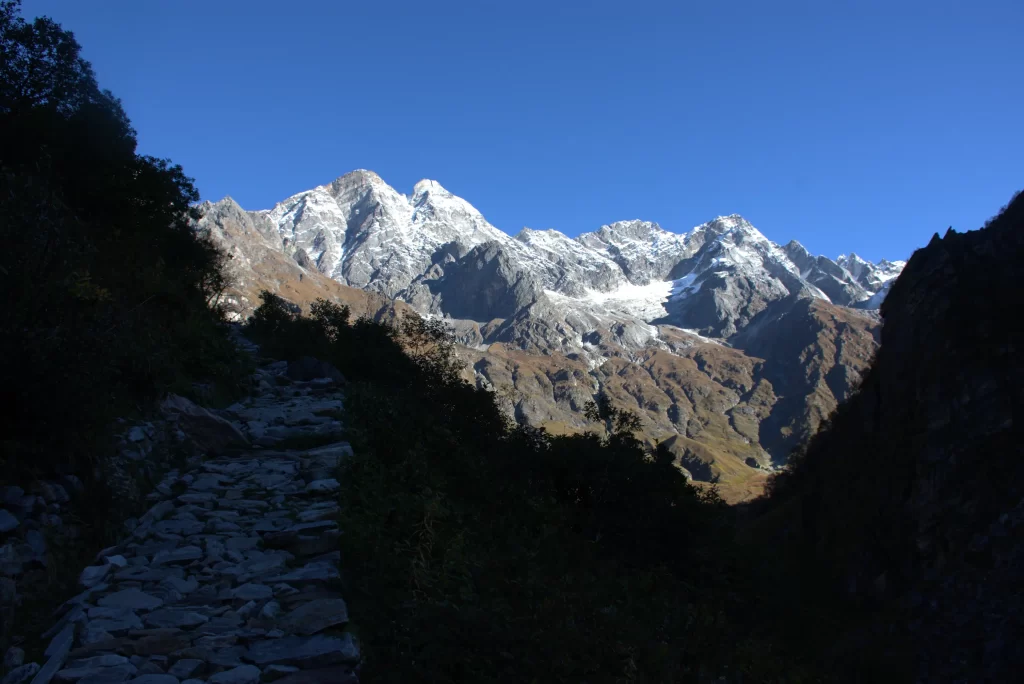
Altitude sickness does not discriminate strongly by age on its own, but older travellers are more likely to have underlying heart, lung or blood pressure conditions that altitude can interact with, which makes a pre-trip conversation with your doctor genuinely important rather than a formality to skip. Our altitude sickness guide covers the general precautions that apply to every traveller — gradual ascent, hydration, watching for symptoms — and for an older traveller, the additional step worth taking is a specific conversation with your doctor about your current health, your regular medications, and whether a prophylactic medication like Diamox is appropriate for you.
Carry more than enough of your regular medication for the full trip plus a buffer for delays, along with a written list of your medications and dosages in case you need to see a doctor locally. Know that medical facilities become more limited the further you travel from Rishikesh or Haridwar, and plan accordingly rather than assuming the same level of care will be available in Joshimath as in a major city.
Mobility at Badrinath and Joshimath
The area immediately around Badrinath temple involves some uneven pilgrim walkways and steps, and while this is manageable for most older travellers with a bit of time and a companion’s arm, it is worth planning for rather than assuming will be effortless. Porter-assisted chairs or similar support are available at many major Himalayan pilgrimage sites for those unable to walk the full distance — availability and current arrangements at Badrinath specifically are worth confirming locally or through your accommodation ahead of your visit rather than assumed in advance. Avoid peak darshan hours if crowd navigation and standing for extended periods is a concern, and ask locally about any priority arrangements for senior citizens or those with mobility needs, which are commonly available at major pilgrimage sites even where not widely advertised.
Joshimath’s own main bazaar is compact and generally walkable, though the town is built on a hillside with some genuine incline — plan routes with this in mind, and do not hesitate to use a short local taxi or rickshaw ride for a stretch you would otherwise walk without a second thought at a lower altitude.
What to Consider About Auli and the Cable Car
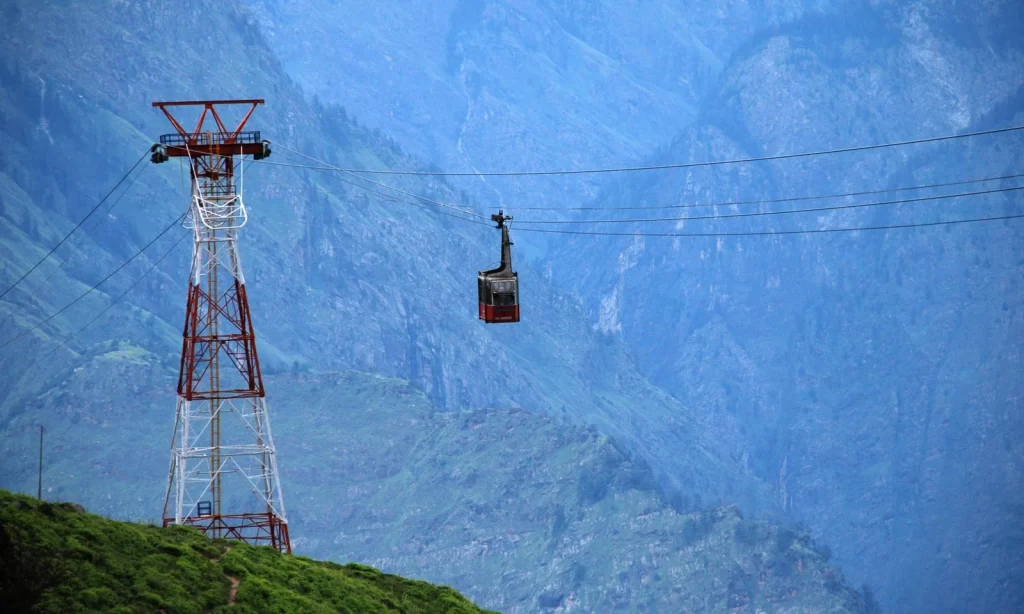
The cable car ride from Auli Laga to the top station is genuinely manageable for most older travellers — you board a stationary cabin, sit or stand comfortably for 25 minutes, and disembark at the top, with no walking required to see genuinely spectacular views along the way and from the top station itself. This is one of the better “big experience, low physical demand” activities available in the region and well worth including even for travellers who are not planning any walking beyond it.
The further walk to Gorson Bugyal is a different proposition — a genuine 3-kilometre walk with real incline through forest, which is well within reach of many older travellers in good general fitness but is honestly not for everyone. Treat it as optional, assess your own fitness honestly rather than optimistically, and know that skipping it takes nothing away from a worthwhile visit to Auli’s top station on its own.
Pacing Your Itinerary
The single most important adjustment for an older traveller’s itinerary, more than any specific health precaution, is pace. One significant activity per day — the drive to Joshimath, a rest day to acclimatize, the Auli cable car as its own day, the Badrinath day trip as its own day — leaves genuine room to enjoy each piece rather than treating the whole trip as a checklist to complete as quickly as possible. A realistic senior-friendly itinerary from Rishikesh runs 6 to 7 days rather than the 4 or 5 a younger, fitter traveller might compress it into, and that extra time is consistently what makes the difference between a trip remembered fondly and one remembered as exhausting.
Things to Do
Have a proper medical checkup and conversation with your doctor before booking. This is worth doing specifically for this trip, not as a generic pre-travel formality — altitude, a long road journey and the physical demands of pilgrimage sites all deserve a direct conversation.
Book private transport rather than shared or budget options. The comfort and pace control are worth the additional cost for this specific trip more than for almost any other kind of travel.
Travel with a companion, and confirm mobility assistance arrangements at Badrinath in advance. Ask your accommodation or a local contact rather than assuming on arrival.
Choose accommodation with easy, minimal-stairs access, and ask directly rather than assuming from photographs. This is a detail worth a direct question to any property you are considering, ours included.
Things Not to Do
Attempt Kedarnath or Hemkund Sahib without a specific, confirmed plan for helicopter or assisted access. Both genuinely require trekking or aerial access that Badrinath does not, and treating them as equivalent add-ons to a Badrinath trip is a planning mistake.
Skip the acclimatization day to save time. This applies to every traveller, and the consequences of ignoring it are not reduced by experience or by having done the trip before — plan the rest day in regardless.
Choose the cheapest transport option available without weighing the comfort trade-off. An overnight bus or a shared jeep saves money at a cost that matters more at this stage of a trip than most others.
OVERRATED
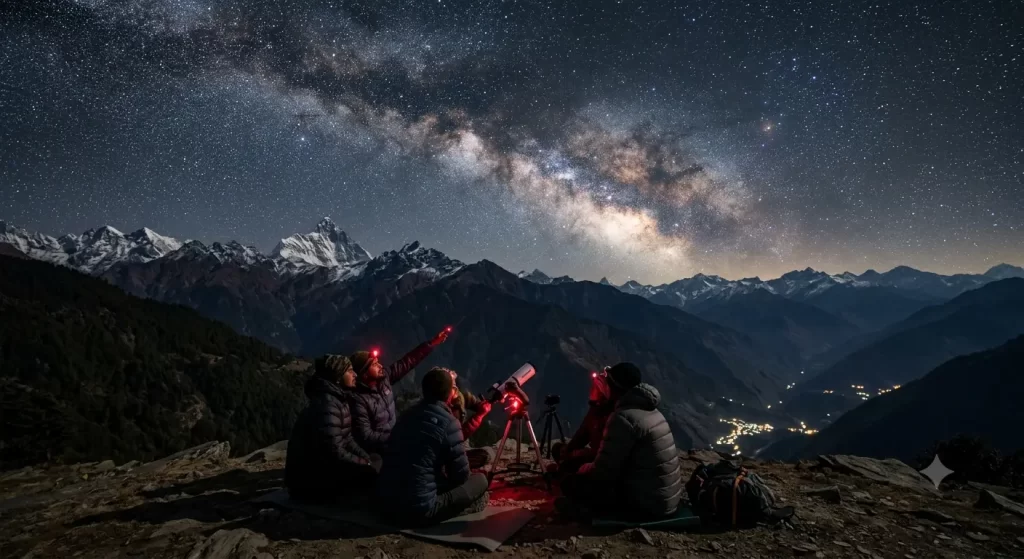
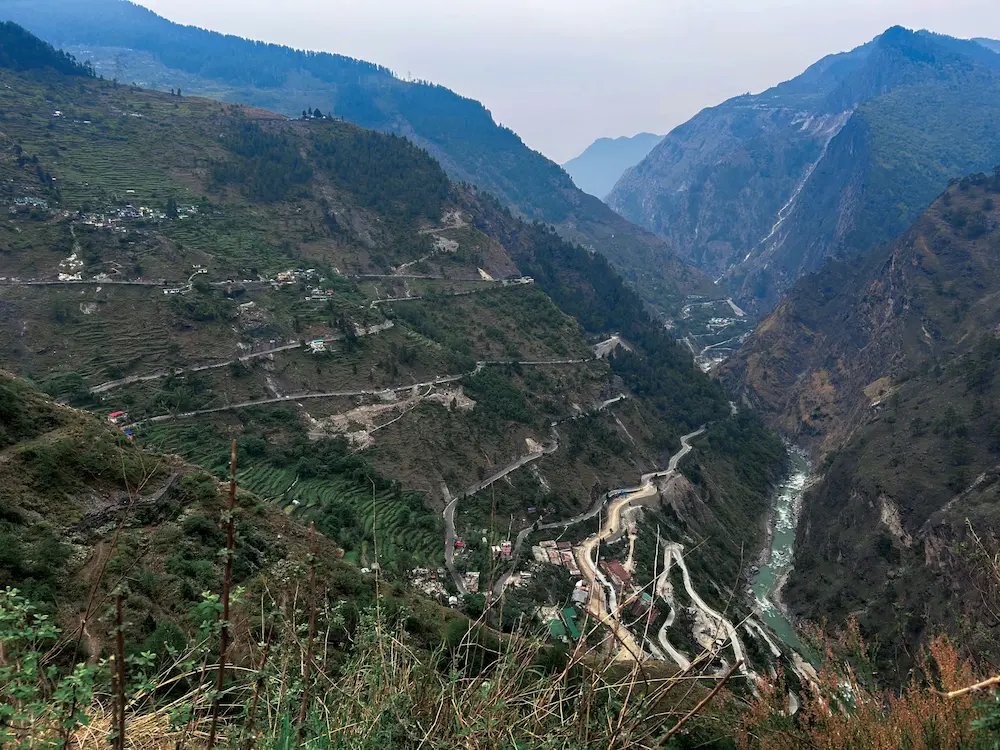
The assumption that a Himalayan pilgrimage is simply out of reach past a certain age. Badrinath specifically, given its road access, is a genuinely realistic and meaningful trip for a great many older travellers who have written it off without checking the actual physical demands involved.
The assumption that a wheelchair or full mobility support is automatically required. Many older travellers manage the temple approach and the cable car perfectly well with a companion’s arm and a sensible pace — assess your own or your family member’s actual capability rather than assuming the most cautious option is always necessary.
Senior Travel Planning — Practical Reference
| Joshimath to Badrinath | 45 km, 1.5 to 2 hours by private taxi |
| Recommended trip length | 6 to 7 days from Rishikesh, including rest days |
| Recommended acclimatization | Minimum 1 full rest day in Joshimath before Badrinath |
| Cable car physical demand | Low — seated or standing, no walking required |
| Gorson Bugyal physical demand | Moderate — 3 km walk with incline, optional |
How Blackberry Cottages Supports Senior Travellers
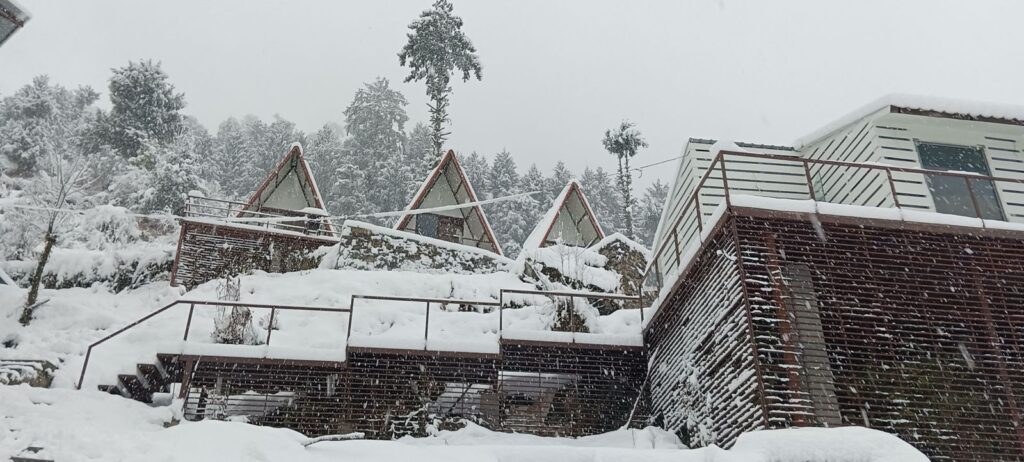
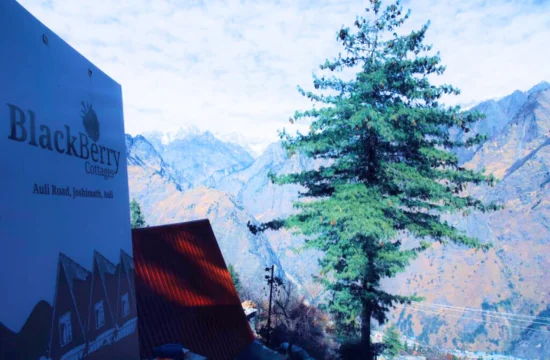
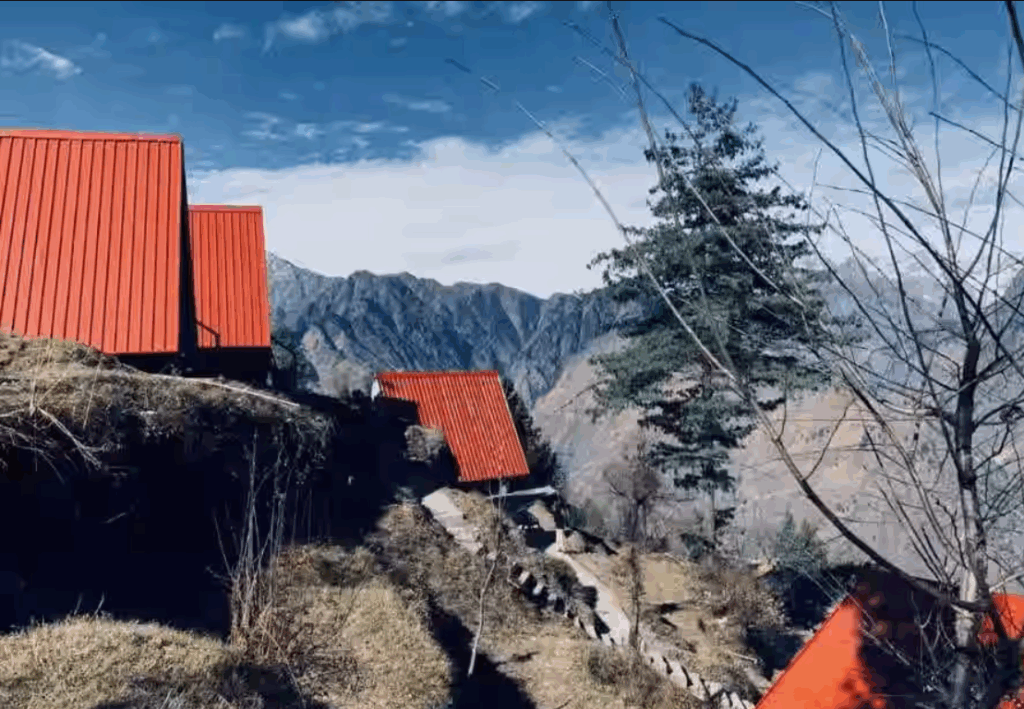
Blackberry Cottages & Resort is at Auli Laga, Joshimath, and we are glad to talk through specific accessibility needs directly when you book — room access, proximity to facilities, and any particular mobility considerations for you or a family member. We arrange private, comfortable transport for the Badrinath leg at a pace that suits you rather than a fixed schedule, and our team can advise on realistic pacing for your specific itinerary based on years of hosting travellers across every age and ability level.
For accessibility questions or to plan a comfortable, well-paced itinerary, reach us at blackberrycottagesauli.com or on WhatsApp.
