
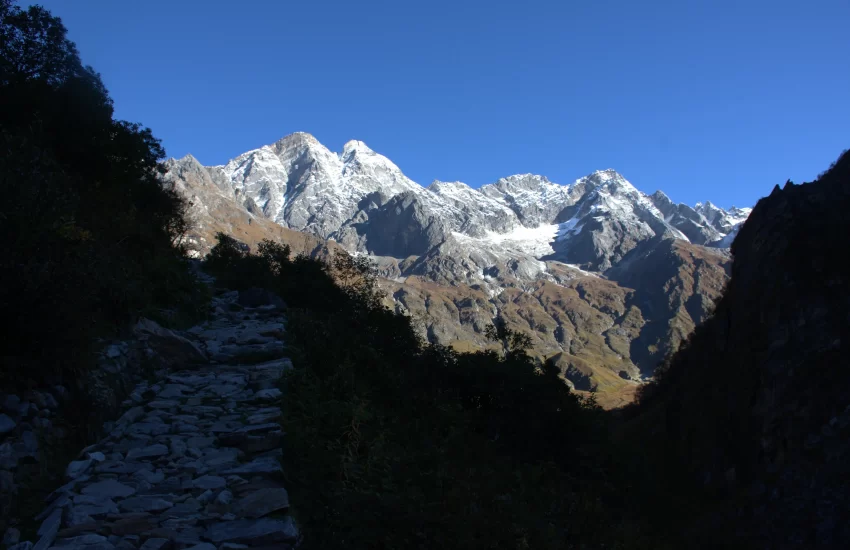
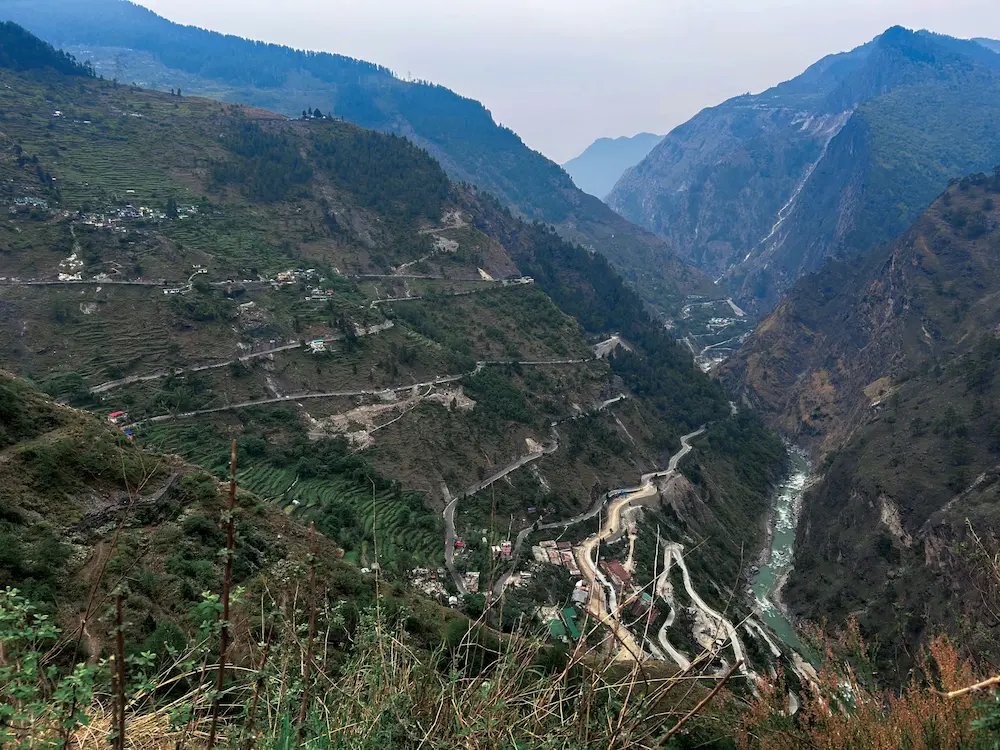
Sometimes a geography lesson is the only way in. Joshimath sits at 6,150 feet in the Chamoli district of Uttarakhand, at the junction of the roads to Badrinath, Auli, the Valley of Flowers and the trailheads for Kuari Pass and Pangarchulla. It is a working mountain town, not a resort strip built for tourists, which turns out to be exactly the quality that makes it work so well for the solo traveller. There is no pressure to perform a holiday for anyone else’s benefit here. There is a bazaar, a cable car, a meadow above the treeline, and a great deal of mountain silence — all of which are considerably better company alone than most people expect.
Solo travel to Joshimath draws a wider mix of people than you might assume — pilgrims travelling independently ahead of a Badrinath visit, trekkers arriving a day early for Kuari Pass or Pangarchulla, long-term travellers passing through the Char Dham circuit, and a growing number of people who simply want a few days at altitude with no itinerary but their own. Every one of them is asking some version of the same questions: is it safe, what does it cost, where should I stay, and what exactly am I supposed to do with myself here alone. This guide answers all four.
This guide covers why Joshimath suits solo travellers so well, how to get there and around on your own, where to stay, what to budget, the things worth doing alone, the safety notes that matter — including specific guidance for women travelling solo — and the honest answer to whether any of this is more complicated or more dangerous than people assume.
Solo Travel in Joshimath — At a Glance
| Base altitude | 6,150 feet — low enough that most travellers feel no altitude effects |
| Who it suits | Independent pilgrims, trekkers, budget travellers, long-term travellers, first-time solo Himalayan visitors |
| Best season | March to June, September to November — clear weather and easier road travel |
| Typical daily budget | ₹1,500 to ₹3,500 depending on accommodation and transport choices |
| Mobile connectivity | Reasonable in the main bazaar — patchy to absent on treks and higher trailheads |
| Solo-friendly transport | Shared jeeps — economical and a natural way to meet other travellers |
| Safety level | Generally high — standard mountain-town precautions apply, particularly after dark |
| Solo female travel | Common and generally well-supported — specific precautions covered below |
Why Joshimath Works So Well for Solo Travellers
Joshimath has none of the built-in social scaffolding of a backpacker hub like Rishikesh — no hostel circuit, no clustered cafes selling banana pancakes to a rotating cast of the same twenty travellers. What it has instead is a genuine reason to be there that has nothing to do with performing a social holiday: the cable car, the mountains, the trek trailheads, the temples on the way to Badrinath. A solo traveller in Joshimath is not managing the awkwardness of being the only person eating alone in a restaurant built for groups. They are doing what everyone else here is doing too — passing through toward something bigger, at their own pace, on their own schedule.
This also means the town is genuinely low-pressure in a way that matters if you have never travelled alone before. Nobody in Joshimath is particularly interested in whether you are travelling with a group or by yourself. The shared jeep driver, the dhaba owner, the person next to you on the cable car — all of them are used to solo pilgrims and solo trekkers passing through, and the town’s rhythms accommodate a traveller of one just as easily as a group of ten.
Getting There and Getting Around Alone
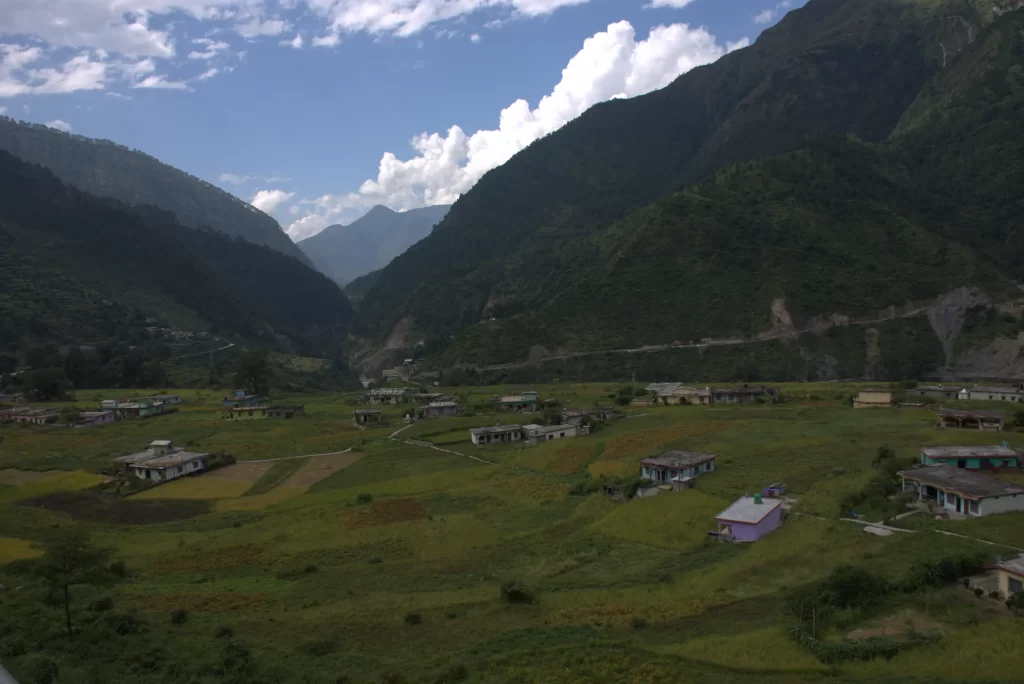
Reaching Joshimath solo is no different logistically from reaching it with company — by overnight bus from Delhi, by train to Haridwar or Rishikesh followed by a shared jeep or taxi, or by flying into Dehradun and taking the road from there. What changes for the solo traveller is cost per person, and this is where shared transport becomes genuinely useful rather than simply the cheaper option.
Shared jeeps are, if anything, better suited to solo travel than to group travel — you pay only for your own seat, you are packed in with other travellers and locals making the same journey, and the two-hour ride to Badrinath or the drive up from Rishikesh becomes an easy, low-effort way to have a conversation with someone else doing exactly what you are doing. Our local transport guide covers the shared jeep stand, routes, fares and timings in detail, and it is worth reading before you arrive — knowing that the jeep stand is a five-minute walk from the main bazaar and that jeeps for Badrinath and Govindghat fill and leave in the early morning saves you a slow first morning working it out on arrival.
For getting around Joshimath town itself, everything is walkable within 10 to 15 minutes, and the local shared autos on the main road are an easy, low-cost way to cover distance without a private taxi. Solo travellers rarely need a private vehicle for anything except a specific day trip or an early trek drop, both of which your accommodation can arrange.
Where to Stay as a Solo Traveller
three things: a genuinely secure room and property, staff who can advise on routes, timings and current conditions, and some kind of common space or shared dinner setup where solo guests naturally end up talking to each other rather than eating alone in a room. A guesthouse or resort that treats a party of one exactly as well as a party of six — same attention, same information, same warmth — makes an enormous difference to how a solo trip actually feels from the inside.
Single-occupancy pricing is worth asking about directly rather than assuming. Many properties in Joshimath, including ours, offer sensible single rates rather than charging a solo traveller the full double-occupancy price by default — always confirm this when booking rather than after you arrive.
Things to Do Alone in Joshimath and Auli
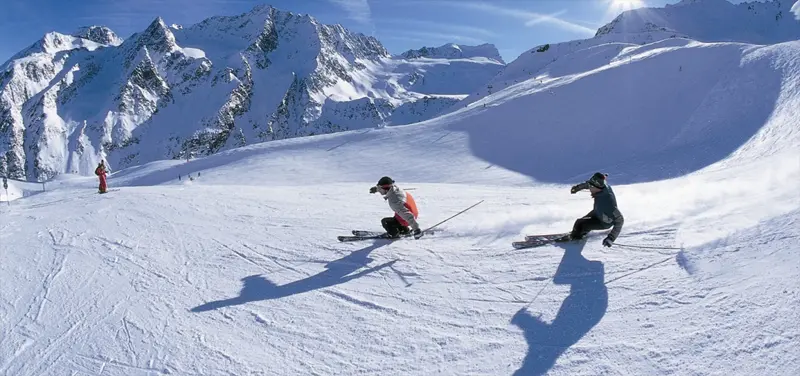
Take the cable car to Auli and give it your full attention. The 25-minute gondola ride from Auli Laga to the top station is one of the finest solo travel experiences available in the region precisely because it does not require a companion to be worthwhile — the changing view from town to pine forest to open snowfield is enough on its own, and there is something genuinely good about experiencing it without narrating it to anyone.
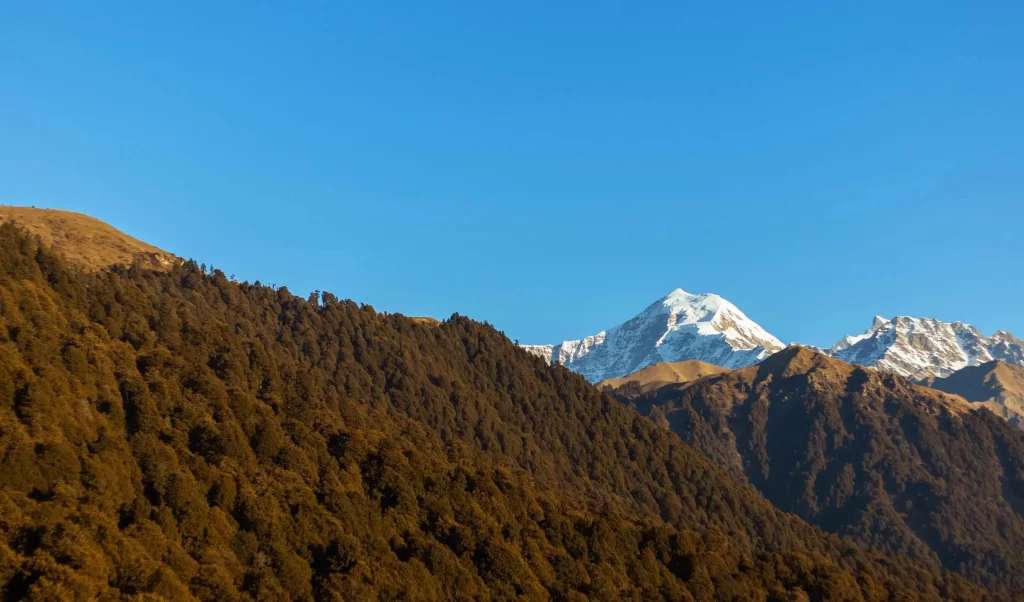
Walk to Gorson Bugyal from the Auli top station. A 3-kilometre walk through oak and rhododendron forest to an alpine meadow at 3,056 metres, with Nanda Devi at the far end of the view, is one of the best solo half-days in Uttarakhand — easy enough to do without a guide, rewarding enough that you will not miss the company.
Sit in the main bazaar and watch the town work. This sounds like doing nothing, and it is one of the most genuinely useful things a solo traveller can do in a new place — a tea stall in the Joshimath bazaar in the late afternoon, watching shared jeeps load and unload, pilgrims moving through, and the ordinary business of a mountain town continuing around you, tells you more about where you are than any single attraction does.
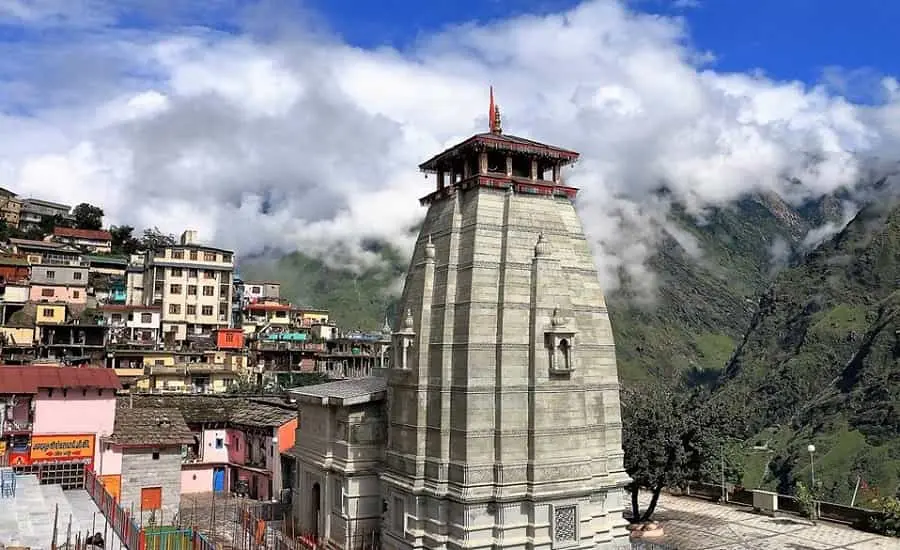
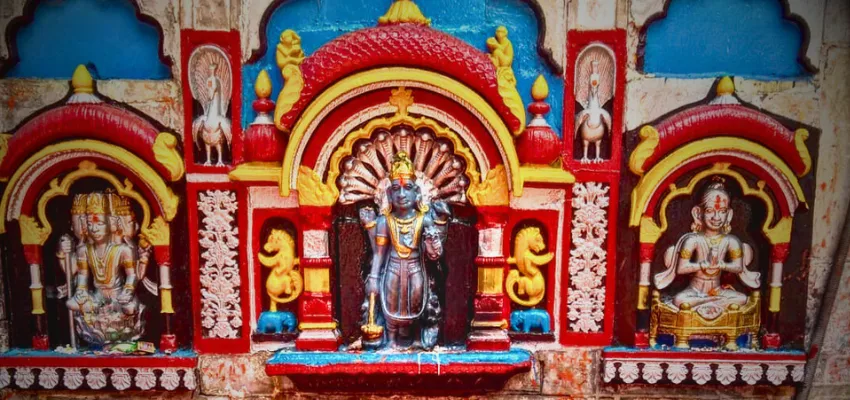
Visit the Narsingh Bhagwat temple. A short walk from the main bazaar, the temple is an easy, contemplative solo visit and a genuine piece of the town’s religious significance — Joshimath is one of the four cardinal maths established by Adi Shankaracharya, and the temple reflects that history without requiring you to know it in advance.
Take a day trip to Badrinath. A shared jeep there and back in a single day is entirely manageable solo, and doing the Badrinath visit independently — at your own pace, with your own time at the temple — is one of the more meaningful solo pilgrimage experiences available in the Himalayas.
Safety Notes for Solo Travellers
Joshimath is, by any reasonable measure, a safe town for solo travel, including for women travelling alone — a significant number of solo female pilgrims and trekkers pass through every season, and the town’s rhythms are built around exactly that traffic. That said, sensible precautions apply here as they would anywhere, and a few are specific to a mountain town rather than a city.
Share your itinerary with your accommodation. Tell the property where you are staying what your plan is for the day, particularly for any trek or day trip, so someone knows roughly where you are and when to expect you back. This is standard practice for solo trekkers everywhere in the Himalayas, not a special precaution for Joshimath.
Avoid walking alone on unlit stretches after dark. The main bazaar is well used and generally fine in the evening, but the steeper, quieter residential lanes above the market are better avoided alone after dark, less because of any specific danger and more because a badly lit mountain path is its own hazard regardless of who else is around.
For solo women travellers specifically — dress modestly, as you would at any pilgrimage town, choose accommodation with good reviews and a genuine reception presence, and do not hesitate to ask your accommodation to arrange a trusted driver rather than negotiating with an unfamiliar taxi independently. None of this is unique to Joshimath — it is standard, sensible practice for solo travel in small-town India, and it works.
Carry cash and keep your phone charged. ATMs in Joshimath are limited and can run dry in peak season, and mobile signal thins out quickly once you leave the main bazaar for a trek trailhead. Carry sufficient cash for a full day’s transport and food, and let your battery run at full before any day trip.
Budget for Solo Travel in Joshimath
| Expense | Approximate daily cost (solo) |
| Budget accommodation | ₹800 to ₹1,500 per night |
| Mid-range accommodation | ₹2,000 to ₹4,000 per night |
| Meals (local dhabas) | ₹300 to ₹500 per day |
| Shared jeep, local routes | ₹100 to ₹300 per trip |
| Cable car return ticket | Priced seasonally — check on arrival |
| Private taxi (occasional day trip) | ₹600 to ₹1,800 depending on distance |
| Total realistic daily budget | ₹1,500 to ₹3,500 |
Solo travel in Joshimath is not meaningfully more expensive than group travel on a per-person basis for accommodation and food, since single rooms and local dhaba meals are priced sensibly. The one place solo travellers do pay a premium is private transport, since the cost of a taxi is fixed regardless of how many people are in it — which is exactly why shared jeeps are worth using whenever your schedule allows it.
Things Not to Do
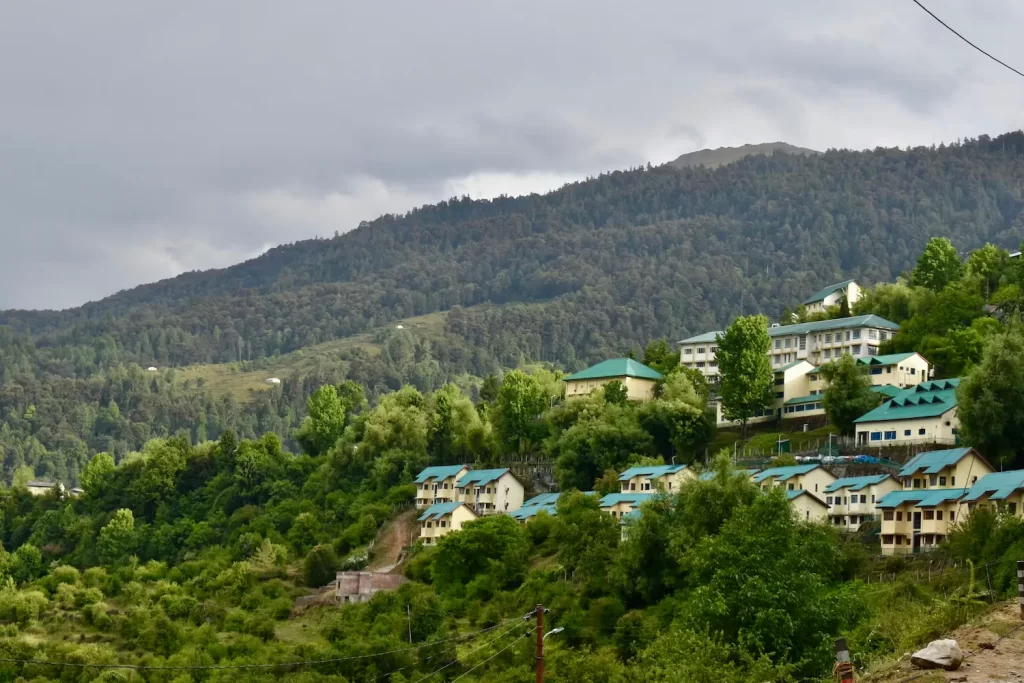
Assume mobile connectivity will hold once you leave the bazaar. Signal in Joshimath’s main market is reasonable, but it drops quickly on the road to Auli, on any trek trailhead, and inside the Valley of Flowers or Kuari Pass routes. Download offline maps, tell someone your plan in advance, and do not rely on being reachable once you are past the town.
Skip the acclimatization day because you are keen to get moving. Solo travellers with a tight schedule sometimes push straight through to Badrinath or a trek start without a night to adjust to Joshimath’s altitude first. This is unnecessary risk for very little time saved — one night in Joshimath before going higher is a small investment with a real payoff.
Negotiate every fare down to the last rupee out of habit. Local taxi and shared jeep operators in Joshimath are running a business on mountain roads that demand real skill. Fair, confirmed rates paid without drama are good practice everywhere, and solo travellers are no exception to this courtesy.
OVERRATED
The idea that solo travel to Joshimath requires special expertise. It does not. The road, the shared jeeps, the accommodation booking process and the town itself are entirely manageable for a first-time solo traveller with no specific Himalayan experience. The learning curve is a five-minute conversation with your accommodation, not a specialised skill set.
Worrying that eating alone will be awkward. Dhabas and local restaurants in Joshimath are used to solo pilgrims and trekkers eating alone at every hour of the day — nobody notices, nobody minds, and the food is exactly as good whether you are a table of one or six.
Hiring a guide for every single activity. A guide is genuinely useful for multi-day treks like Kuari Pass or Pangarchulla, but for the cable car, Gorson Bugyal, the bazaar, and day trips to Badrinath, a solo traveller with a little preparation needs no guide at all. Save the guide fee for where it actually adds value.
Staying at Blackberry Cottages & Resort — Solo Travellers
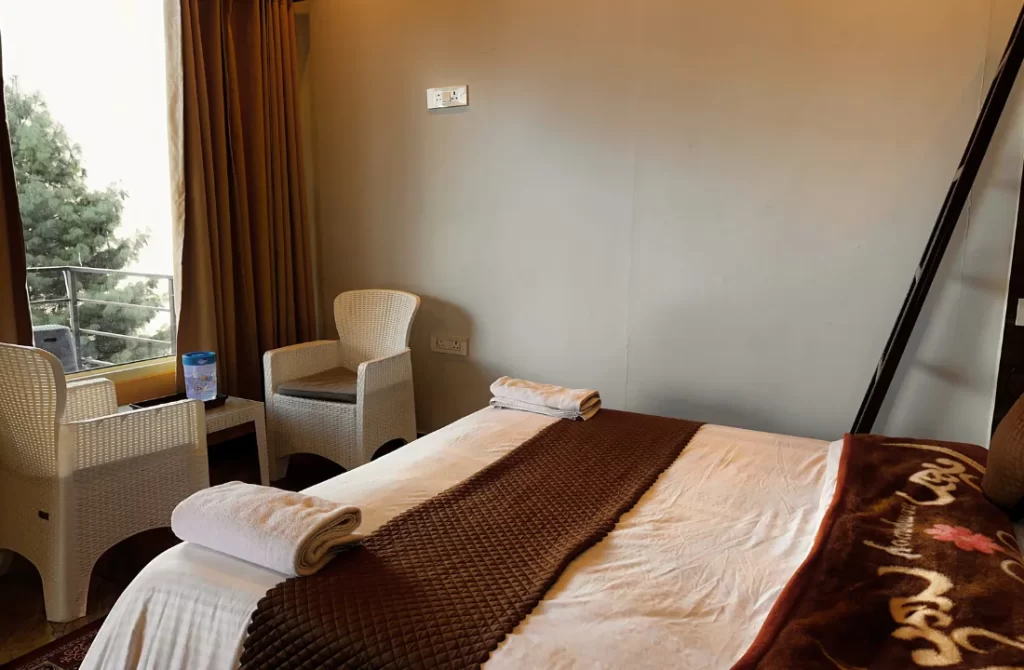
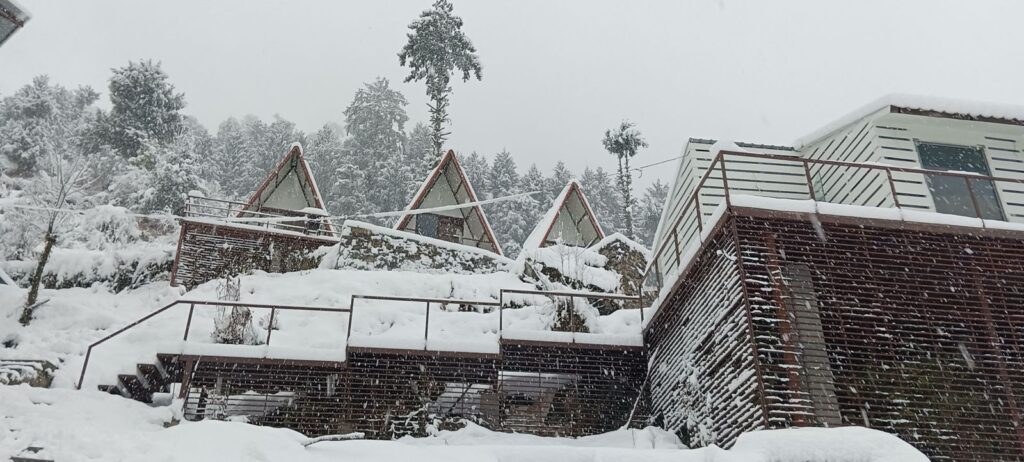
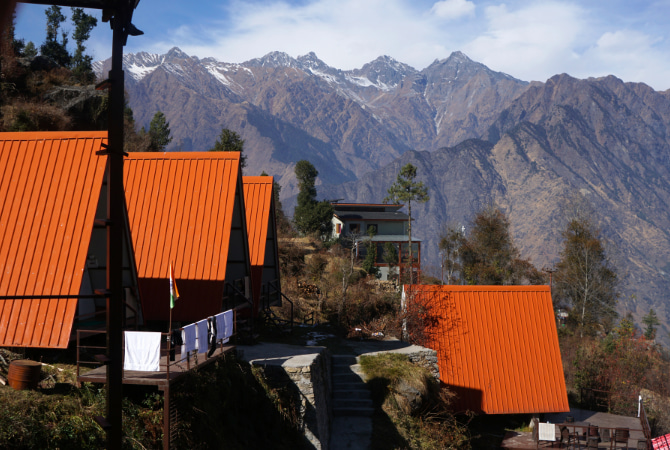
Blackberry Cottages & Resort is at Auli Laga, Joshimath — a short walk from the cable car base and the main bazaar, and a property where a solo traveller gets exactly the same attention, information and warmth as a family of six. We offer sensible single-occupancy rates rather than a blanket double-occupancy charge, and our team routinely helps solo guests put together a sensible itinerary — a day for Auli and Gorson Bugyal, a shared jeep or taxi arrangement for Badrinath, a trek drop for Kuari Pass or Pangarchulla — based on the time and budget they actually have.
Solo guests also tend to end up talking to each other over dinner, which is not something we engineer so much as something that happens naturally when a small property is full of people all doing some version of the same Himalayan trip. If you would rather have a quiet evening alone, that works too. Both are entirely normal here.
For solo bookings and itinerary advice, reach us at blackberrycottagesauli.com or on WhatsApp.
