
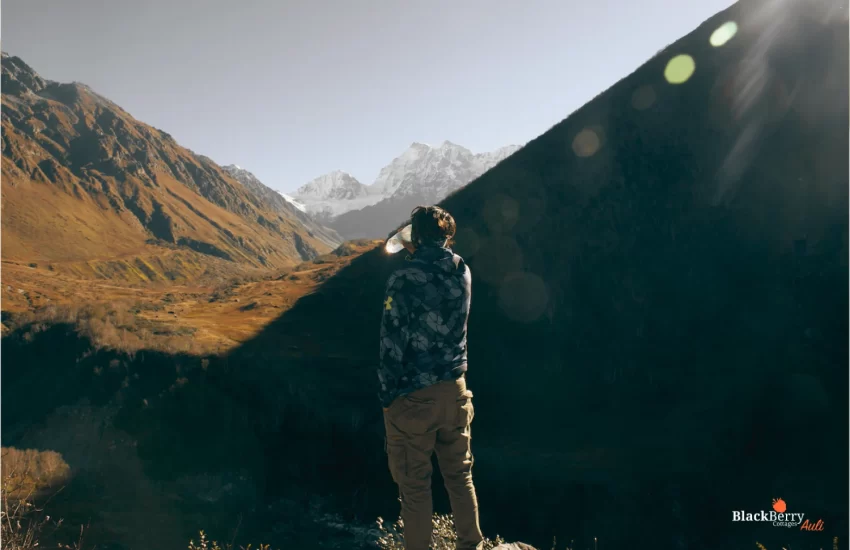
The Valley of Flowers trek is a journey into a world of vibrant colors and serene landscapes. Nestled in the Chamoli district of Uttarakhand, India, this trek offers a unique blend of adventure and tranquility. It is a UNESCO World Heritage Site, renowned for its stunning floral diversity. Over 500 species of wildflowers bloom here, creating a breathtaking tapestry of colors.
This Valley of Flowers trek is not just about the destination; it’s about the journey through lush green landscapes and majestic Himalayan peaks. Starting from Govindghat, the trek spans approximately 38 kilometers round trip. The trek is considered moderate, making it accessible to those with a reasonable level of fitness. Ghangaria village serves as the base camp, offering basic amenities and accommodations.
Table of Content
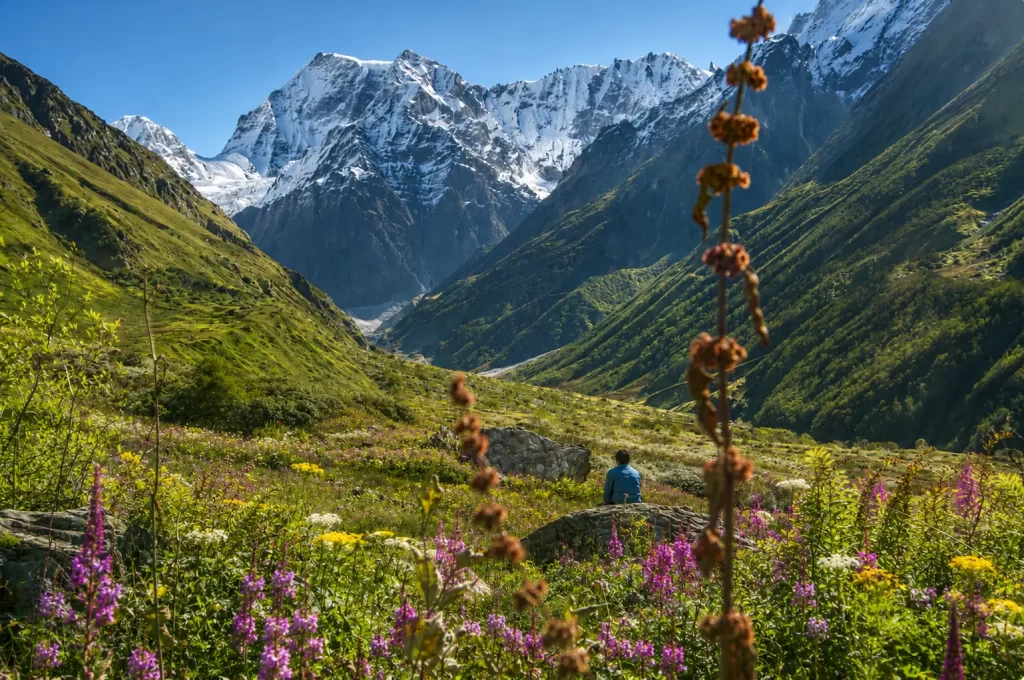
The best time to visit is from July to early September, when the valley is in full bloom. However, the park is open from June to October, each month offering a different experience.
Permits are required to enter the Valley of Flowers National Park, ensuring the preservation of its pristine beauty. This trek is an opportunity to disconnect from the digital world and reconnect with nature.
Whether you’re a seasoned trekker or a nature enthusiast, the Valley of Flowers promises an unforgettable experience. Prepare to be inspired by the harmony of nature and the vibrant display of life.
Trek Highlights
- Starting Point: Govindghat (via Joshimath)
- Base Camp: Ghangaria Village (3,050 m)
- Valley Altitude: 3,352 m – 3,858 m
- Trek Type: Out & Back
- State: Uttarakhand, India
- Nearest Town: Govindghat & Joshimath (stay: Blackberry Cottages Auli)
- Park Authority: Nanda Devi Biosphere Reserve
History & Significance of Valley of Flowers
History
The Valley of Flowers was discovered by British mountaineer Frank Smythe in 1931. Initially, Smythe stumbled upon it after losing his way. His discovery brought global attention to this hidden gem in Uttarakhand, India.
Located in the Chamoli district, the valley sits high in the Western Himalayas. It is part of the Nanda Devi Biosphere Reserve, a protected area with significant ecological value. Its location promises trekkers sweeping vistas of snow-capped peaks.
The area is renowned for its rich biodiversity. More than just stunning flora, the valley also hosts unique fauna. The Asiatic black bear, snow leopard, and blue sheep are some of the rare species found here.
Significance
The significance of this valley extends beyond its natural beauty. It is steeped in local legends and cultural tales. Often described in Hindu mythology, the valley is believed to have been created by the gods.
For many, the trek to the Valley of Flowers is a spiritual journey. Embracing both nature and culture, it offers a deeply enriching experience. This unique destination seamlessly blends ecological significance with cultural heritage.
Why Trek the Valley of Flowers?
The trek to the Valley of Flowers offers unparalleled experiences. It’s a journey through nature’s palette, where colors burst forth at every step. This kaleidoscope is a treat for both the eyes and the soul. The valley is home to over 500 species of wildflowers. Each turn reveals new and breathtaking floral displays. Trekkers can expect a visual feast with every stride.
highlights you shouldn’t miss:
- Floral Diversity: Witness countless vibrant species in full bloom.
- Scenic Views: Enjoy stunning panoramas of majestic peaks.
- Cultural Richness: Experience local legends and heritage.
- Biodiversity: Spot rare and unique fauna.
- Spiritual Significance: Embrace the spiritual aura of the trek.
Beyond its botanical allure, the trek offers more unique highlights. Hikers can marvel at panoramic vistas of the surrounding Himalayan peaks. These towering mountains serve as a majestic backdrop, enhancing every moment.
The trail presents a blend of tranquility and adventure. The peaceful atmosphere allows for reflection and a deep connection with nature. Yet, the challenging trail also pushes physical and mental boundaries.
How long is the Valley of Flowers Trek?
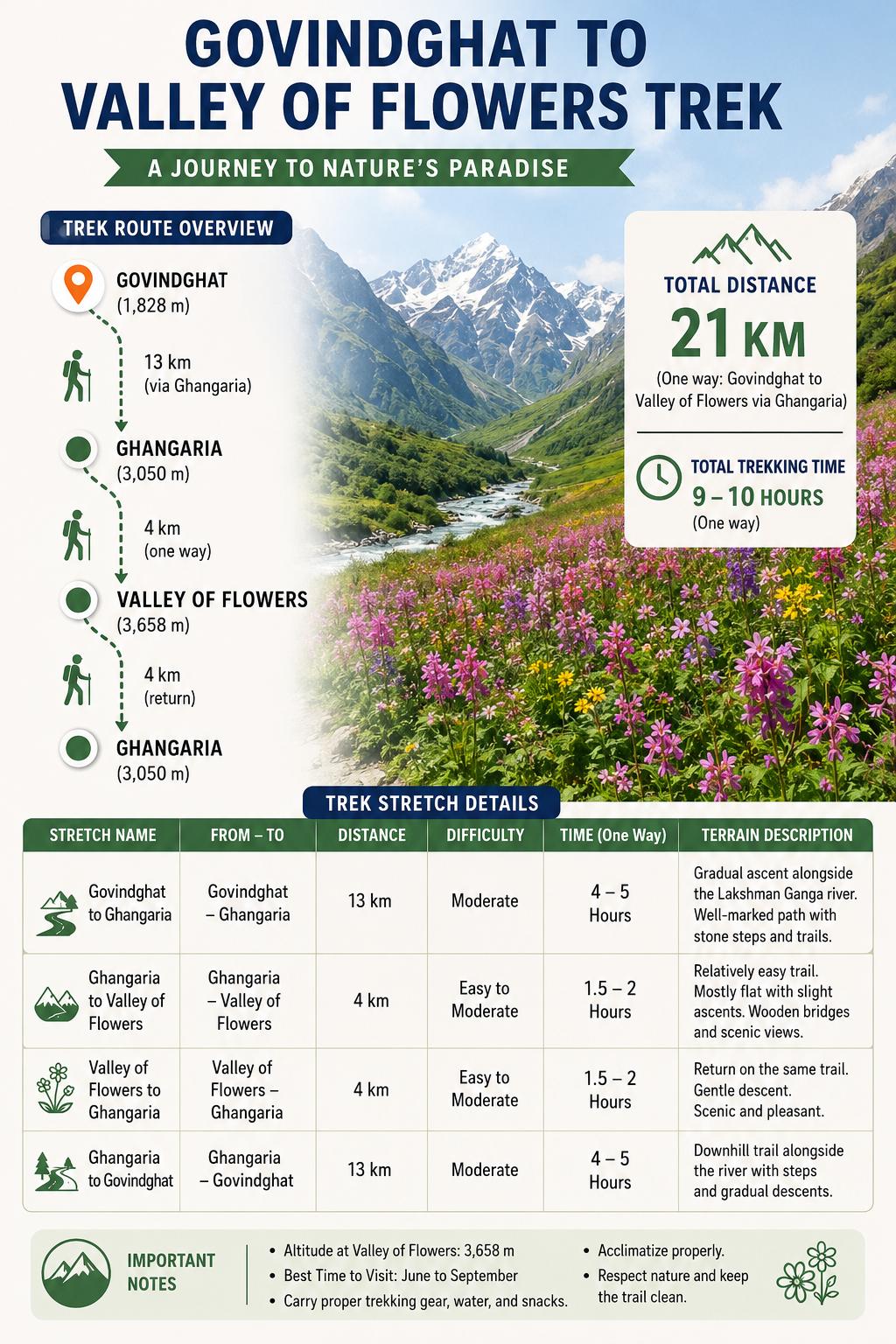
The full route (including Hemkund Sahib) is approximately 38–44 km round trip, spread over 5–7 days depending on your pace. Here’s how the distances and break down of Route map:
| Route | Distance | Elevation | Notes |
|---|---|---|---|
| Govindghat → Pulna | 4 KM | 1,828 m → 2,000 m | Mostly flat; road walk or jeep possible |
| Pulna → Ghangaria | 10 km | 2,000 m → 3,050 m | Well-marked trail through forest and gorge |
| Ghangaria → Valley of Flowers | 3.5 km | 3,050 m → 3,500 m+ | Enters the meadow; gentle to moderate |
| Ghangaria → Hemkund Sahib | 6 km | 3,050 m → 4,632 m | Very steep; allow 4–5 hours each way |
| Total (Valley only, Round Trip) | 27 km | – | Comfortable 4-day trek |
| Total (with Hemkund, Round Trip) | 44 Km | – | Recommended 6-day trek |
How difficult is the Valley of Flowers Trek?
The Valley of Flowers trek is generally classified as easy to moderate in difficulty. While the main valley trail is manageable for beginners with basic fitness, the overall difficulty can increase significantly depending on the specific sections you tackle, the weather conditions, and your physical preparation.
Section-by-Section Difficulty
The trek is typically broken down into three main segments with varying levels of challenge:
- Govindghat to Ghangaria (13 km): This section is rated as moderate. It involves a total walking distance of about 9–13 km with a steady altitude gain from approximately 5,827 ft to 10,614 ft. The trail is well-maintained but requires consistency and endurance.
- Ghangaria to Valley Floor (4 km one way): This segment is considered easy. The path is relatively gradual as it leads into the national park, though the first 2–3 km climb steeply through thick forest.
How to Reach Valley of Flowers
- By Air: The nearest airport is Jolly Grant Airport in Dehradun. From here, travelers can catch a taxi or a bus to Govindghat, the trek’s starting point.
- By Train: Rishikesh hosts the closest railhead. It connects to various parts of India. From Rishikesh, a scenic road journey leads to Govindghat. It takes around 8-9 hours to reach Govindghat. Next day start trek for Ghangariya and late 4 km trek to Valley of Flowers
- By Road: Both Dehradun and Haridwar offer bus services to Joshimath, close to Govindghat. Private taxis are an alternative for faster travel. Self-driving enthusiasts can relish the drive through mountain roads.
Reach the Valley of Flowers base camp by Helicopter
If you want to skip the 14 km trek from Govindghat to Ghangariya then Hemukund Sahib helicopter shuttle service is the best option which you can take. The helicopter shuttle can be booked over the counter or online through Irctc heli yatra. The ticket cost is around Rs.6000/person one way and 10k-11k round trip.
Flora and Fauna in Valley of Flowers National Park
Valley of Flowers National Park is a treasure trove of biodiversity. Nestled in the Chamoli district of Uttarakhand, it spans over 87 square kilometers. This UNESCO World Heritage Site is famed for its spectacular floral diversity.
Flora and Fauna in Valley of Flowers
- Blue Poppy: A rare and exquisite flower.
- Cobra Lily: Known for its distinctive shape.
- Snow Leopard: Elusive and majestic predator.
- Asiatic Black Bear: Often seen foraging in the park.
- Himalayan Monal: Vibrant bird, symbol of natural beauty.
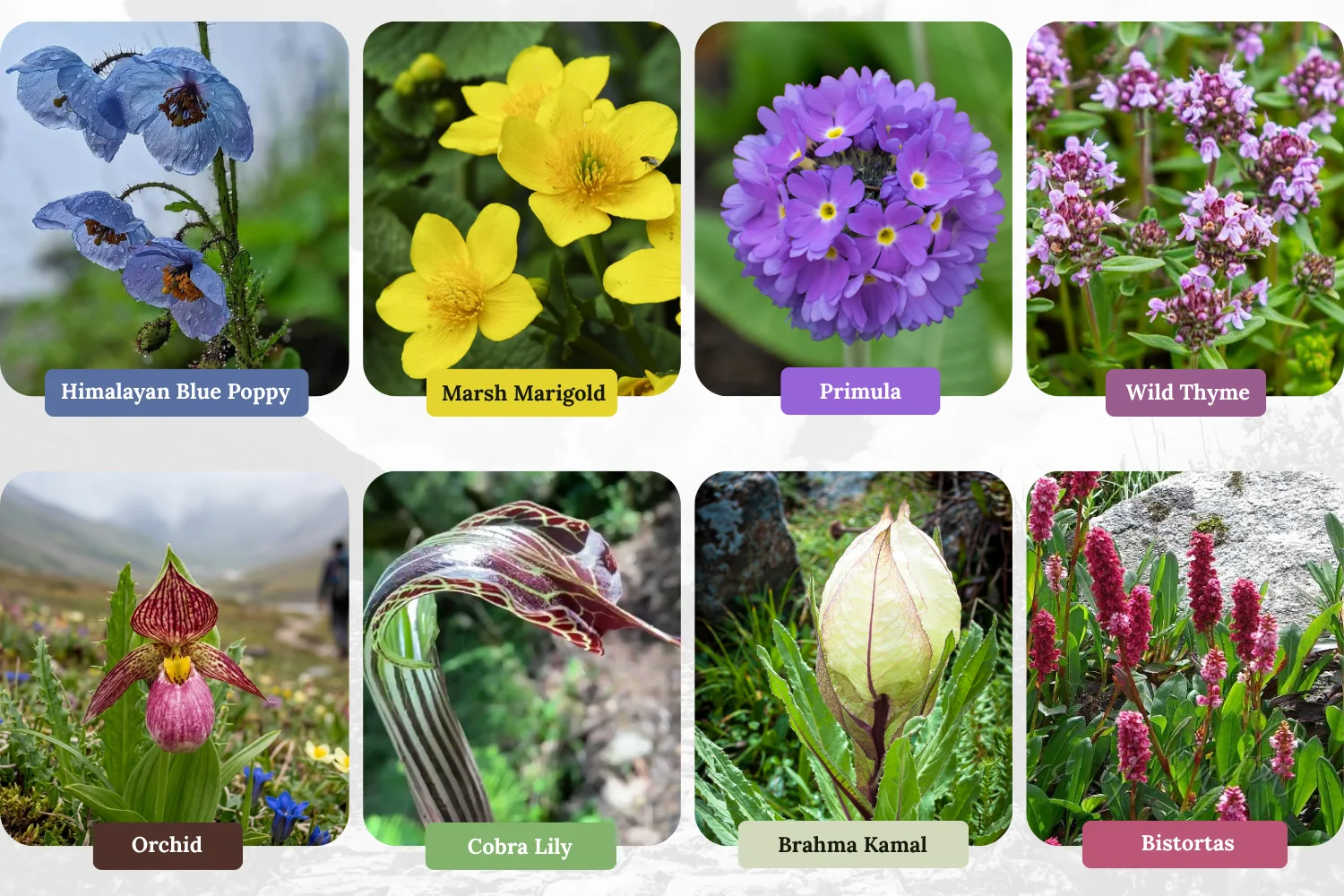
During peak bloom, over 500 species of wildflowers adorn the landscape. These include rare blooms like the blue poppy and the elusive cobra lily.
The park’s ecological wealth is not limited to flowers alone. It is a haven for diverse fauna, including threatened species. Lucky visitors might spot the elusive snow leopard, Asiatic black bear and birds like Himalayan Monals etc..
The Valley of Flowers serves as a significant ecological zone. It forms part of the Nanda Devi Biosphere Reserve, a key conservation area. Protecting this delicate ecosystem is vital for future generations.
Rare Species of Flowers found in Valley
For the most diverse and rare floral displays, the mid-July to mid-August window is widely considered the best time to visit the Valley of Flowers. This period is when over 500 to 600 species bloom simultaneously, including the valley’s most sought-after rarities. The specific months to see rare and iconic flowers are broken down below:
| Rare Flowers in Bloom | Best Viewing Window | Key Locations | Floral Highlights & Bloom Density |
|---|---|---|---|
| Marsh Marigold, Primula, Wild Thyme | June | Lower valley meadows and open grasslands | This is the “quiet opening” of the valley with minimal floral density (less than 20% of peak bloom). |
| Rare Orchids | July | Shady forest areas | Flower diversity increases significantly during the first half of July. Orchids and early Himalayan Blue Poppies begin blooming. |
| Himalayan Blue Poppy | Mid-July to Early August | Hemkund Sahib trek route | Along the trek route to Hemkund Sahib, particularly on the final stretch of the steep 6 km ascent |
| Cobra Lily | Mid-July to Early August | Moist, shady areas | Late July marks the transition toward peak bloom. Potentillas, Geraniums, and several alpine flowers spread across the valley in vibrant colors. |
| Brahma Kamal | First two weeks of August | Near Hemkund Sahib | August is the peak flowering period with maximum floral diversity. Himalayan Balsam, Bell Flowers, Anemone, Fritillaria, and many alpine species bloom in full density throughout the valley. |
| Asters, Bistortas | Mid-to-late September | Valley floor and alpine meadows | As the monsoon retreats, the floral display slowly fades. Asters and Bistortas dominate the landscape, painting the valley in purple and pink hues. By mid-to-late September, the valley floor transitions into golden grasslands. |
Best Time to Visit Valley of Flowers Uttarakhand
Timing your visit to the Valley of Flowers is key to maximizing your experience. Each month offers something unique, but the main season runs from June to October. Here’s a closer look at what you can expect each month:
- June – The park opens in early June. Snow begins to melt, and the valley starts to awaken. Early visitors will find a peaceful landscape with fewer tourists.
- July – July sees the valley vibrant with budding flora. Monsoon rains begin to bathe the area, bringing out a fresh green hue. Trekking paths can be wet, so carry suitable gear.
- August – August is the peak bloom season, when flower diversity is at its finest. The valley is ablaze with color. This is the ideal time for photographers and nature lovers.
- September – Flowers remain in bloom, and rain starts to taper off. Cooler weather makes trekking more comfortable. Crowds lessen, offering a serene experience.
- October – By October, the valley readies for winter closure. Some flowers persist, but the focus shifts to the changing foliage. Expect chillier temperatures and clearer skies.
Weather in Valley at different time of a year
| Month | Average Temperature | Weather Conditions | Crowd Level | Best for |
|---|---|---|---|---|
| June | 10°C – 18°C | Clear skies, dry, lingering snow patches | Low | Early blooms and sparse crowds. |
| July | 8°C – 15°C | Misty, monsoon rains begin | Low | Early blooms and sparse crowds. |
| August | 7°C – 14°C | Heavy rain, high humidity, afternoon showers | High | Peak flower season, perfect for vibrant photos. |
| September | 5°C – 12°C | Clear skies, crisp air, monsoon retreating | High | Cooler, with autumn-like landscapes. |
| October | 5°C – 12°C | Cold weather, occasional snowfall, valley begins closing | Low | Last views of golden alpine landscapes before winter closure |
Valley of Flowers Trek Itinerary
The Valley of Flowers trek requires thoughtful planning to optimize your journey. This well-structured itinerary ensures a smooth trek while capturing the essence of the Himalayan beauty.
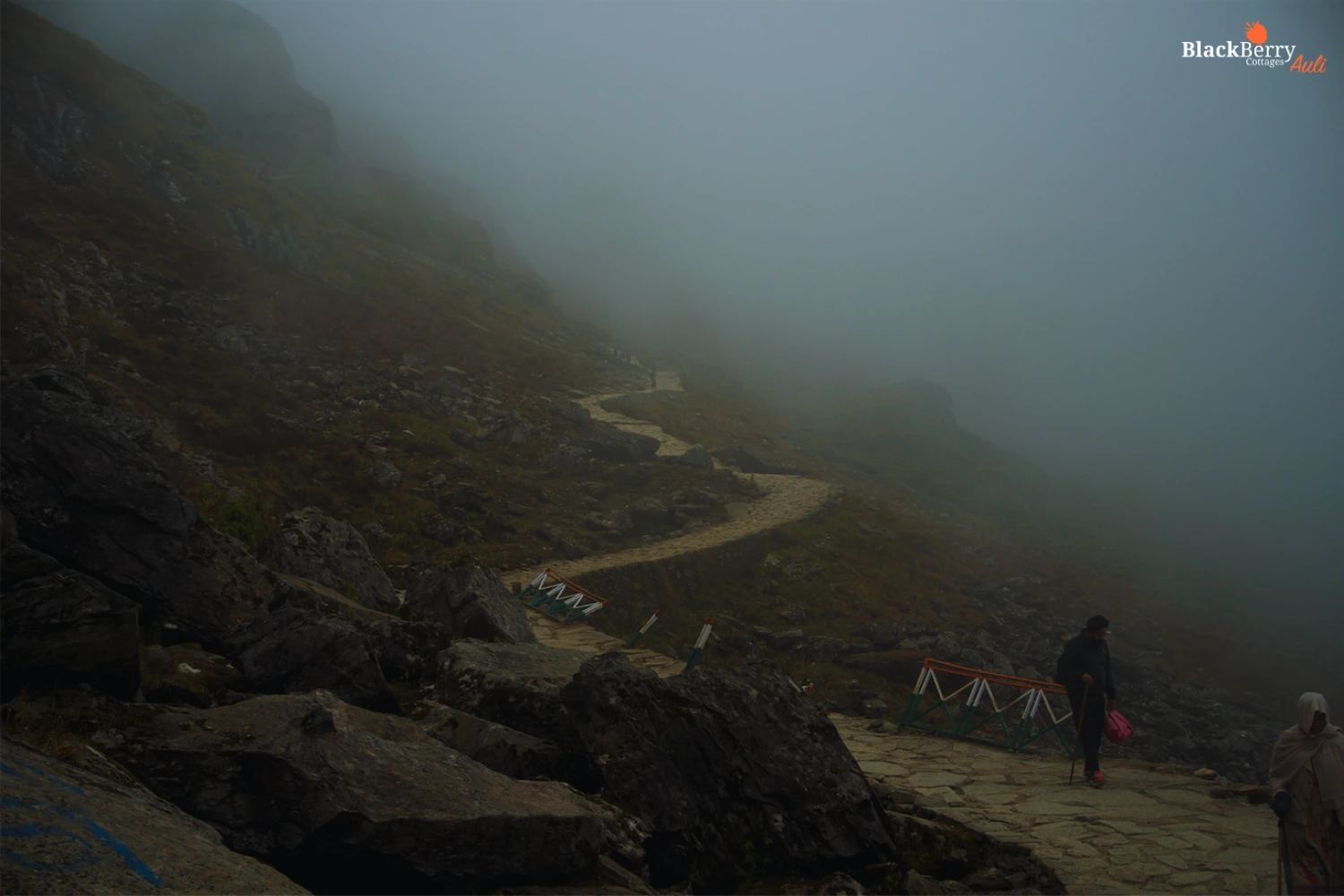
Day 1: Haridwar to Joshimath – Start early morning drive from Dehradun/Haridwar to Joshimath. It would take around 8 hours approx relaxed and a night stay in Blackberry Cottages Auli.
Day 2: Joshimath to Govindghat drive 20-30 KM | Govindghat to Ghangaria Trek – Your adventure begins in Govindghat, the starting point. Begin trekking early from Govindghat towards Ghangaria, covering a distance of about 14 km. This moderate hike navigates through lush landscapes. Settle in at Ghangaria, the base camp for the Valley of Flowers.
Day 3: Ghangaria to Valley of Flowers – The day’s trek spans approximately 3.5 km to the Valley of Flowers. Take in breathtaking views and vibrant wildflowers. Spend ample time exploring and photographing the diverse flora.
Day 4: Valley of Flowers to Ghangaria – Return to Ghangaria for a well-deserved rest. Reflect on the valley’s beauty and diverse ecosystem. This is an opportunity to engage with fellow trekkers and share experiences.
Day 5: Ghangaria to Hemkund Sahib – For those interested, trek 6 km uphill to Hemkund Sahib, a revered Sikh site or you can skip Hemkund. The trek is steep and challenging but rewarding with serene vistas and spiritual insights.
Day 6: Hemkund Sahib to Govindghat Make your return to Govindghat, descending from Hemkund Sahib. This descent allows you to savor lasting memories of your trekking journey before heading back home.
Ghangaria Village: The Trek Base & Facilities
Ghangaria serves as the primary base camp for trekkers heading to the Valley of Flowers. Nestled in the mountains, it offers basic yet essential amenities.
The village provides a range of accommodations, from budget lodges to more comfortable guesthouses. Facilities here ensure that trekkers have a restful night before the trek.
Trekkers will find a selection of eateries offering local and Indian cuisine. These establishments often provide packed meals for the journey ahead.
Facilities at Ghangaria:
- Accommodations: Budget and mid-range lodging options.
- Restaurants: Serving local and Indian dishes, plus packed meals.
- Medical Aid: Small clinics and pharmacies for minor health issues.
- Retail Shops: Selling trekking essentials and general supplies.
Ghangaria is the last stop to stock up on gear and provisions. It ensures trekkers are well-prepared for the path to the stunning Valley of Flowers.
Documents, Permits, Entry Fees & Park Regulations
- Valid Identity Card like voter id, Aadhar card,
- Stay on Paths: Protect vegetation by sticking to designated trails.
- No Littering: Carry your waste and dispose of it responsibly outside the park.
- No Picking Flowers: Admire but leave the flowers untouched for others to enjoy.
Understanding and following these regulations ensures the park remains a pristine destination for future visitors. Adherence to these guidelines fosters a sustainable trekking experience.
Fitness & Safety Tips
To enhance safety and comfort, consider the following tips:
- Stay Hydrated: Drink plenty of water to stay hydrated.
- Wear Suitable Footwear: Invest in quality trekking shoes for grip and support.
- Acclimatize Properly: Spend a day at Ghangaria to adjust to the altitude.
Lastly, respect the local ecosystem and take responsibility for your safety. Trekking with a group or guide can provide additional security. Preparedness and mindfulness make the trek more rewarding and fulfilling.
How to Prepare for the Valley of Flowers Trek
|
Exercise |
Target Goal |
Himalayan Hikers Logic |
|
Jogging/Running |
5 km (32 mins) |
Prepares lungs for thin air at Hemkund Sahib. |
|
Stair Climbing |
10-15 Floors |
Mimics the 6 km steep ascent from Ghangaria. |
|
Squats |
80 Reps |
Essential for “braking” during steep descent. |
|
Walking Lunges |
40 Reps total |
Builds balance for slippery monsoon stones. |
|
Planks |
90 Seconds |
Helps carry a daypack comfortably for 7-8 hours. |
What to Pack for Valley of Flowers Trek
Here’s a checklist to guide your preparations:
- Clothing: Quick-dry shirts, waterproof jacket, thermal wear, and trekking pants.
- Footwear: Waterproof, sturdy trekking boots with good grip.
- Accessories: Sunhat, sunglasses, gloves, and a scarf for sun and cold protection.
- Gear: Trekking pole, backpack rain cover, headlamp, and binoculars for sightseeing.
- Essentials: Reusable water bottle, energy bars, basic first-aid kit, sunscreen, and personal toiletries.
Packing wisely is crucial for any trek. Consider the trek’s duration and weather when selecting items. A planned pack lightens your load and maximizes your Valley of Flowers adventure.
Accommodation & Food Options on the Trek
Finding the right accommodation enhances any trekking adventure. In Ghangaria, a variety of lodging options are available to suit different budgets. From basic guesthouses to more comfortable lodges, options cater to various preferences.
Most accommodations offer essential amenities and a welcoming atmosphere. It’s advisable to book in advance during peak season to secure a spot. This ensures a pleasant stay before and after your trek.
For food, local eateries serve simple yet nourishing meals. These meals often include staples like rice, lentils, and vegetables. Savoring local cuisine adds a unique cultural experience to your trekking journey.
Here’s a quick overview of what’s available:
- Lodging Types: Guesthouses, lodges, and home stays.
- Dining Options: Local dhabas and eateries serving regional cuisine.
- Facilities: Basic amenities, hot water availability, and sometimes Wi-Fi.
Important Tips for Travelers:
- Plan Ahead: Research and book transport in advance, especially during the peak season.
- Travel Light: Prioritize essential items, considering limited transport space.
- Accommodation: Early booking in Govindghat and Ghangaria ensures availability.
These options provide sustenance and rest, essential for a successful trek. Enjoying the local hospitality contributes to an enriching journey.
Where to stay During the Trip ?
|
Location |
Options |
Price Range |
Notes |
|
Joshimath / Auli |
Blackberry Cottages Auli |
₹3,500–₹5,000 |
Best base; great views, hot meals, trek briefings |
|
Govindghat |
Basic lodges, dharamshalas |
₹1200–₹4,500 |
Only if needed; most skip and head to Ghangaria |
|
Ghangaria |
GMVN Rest House, private guesthouses, camps, |
₹800–₹4,500 |
Book in advance for Aug; hot water limited |
|
Inside Valley |
Not permitted |
— |
Camping prohibited inside the national park |
Combining Valley of Flowers with Hemkund Sahib & Other Attractions
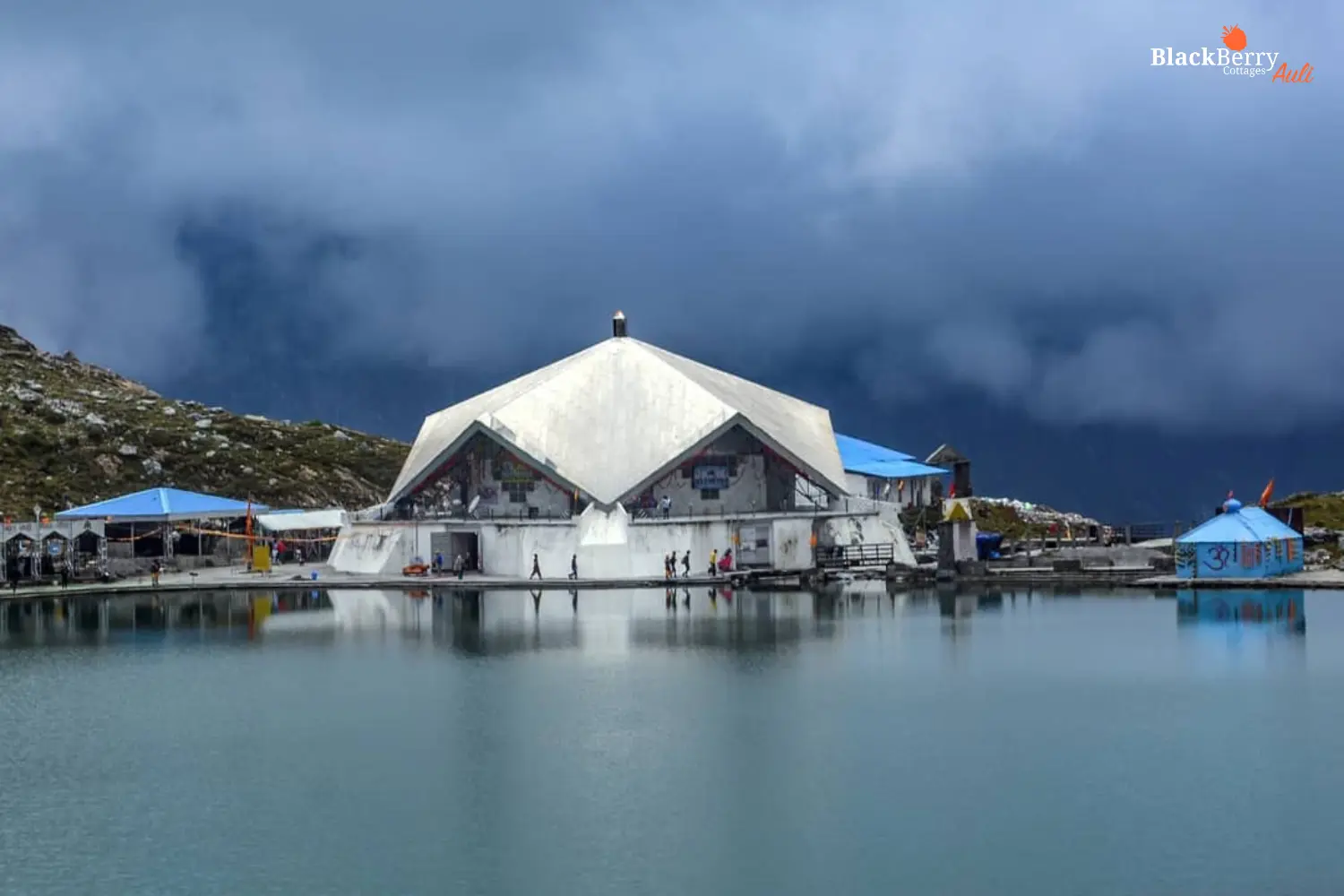
Incorporating Hemkund Sahib into your Valley of Flowers trek adds a spiritual dimension. Situated at an altitude of 4,632 meters, this sacred site is a revered Sikh pilgrimage destination. Its tranquil setting enhances the overall trekking experience.
Many trekkers choose to visit Hemkund Sahib either before or after exploring the Valley of Flowers. This combination requires an additional day, enriching the trek with spiritual and scenic elements. The serene Hemkund Lake, surrounded by majestic peaks, is a sight to behold.
Valley of Flowers Nearby Places
|
Attraction |
Distance |
Type |
Highlights |
|
Hemkund Sahib |
6 km from Ghangaria |
Spiritual / Trekking |
Sacred Sikh shrine at 4,632 m; glacial lake |
|
Badrinath Temple |
45 km from Govindghat |
Pilgrimage / Culture |
One of the Char Dham; Lord Vishnu shrine |
|
Mana Village |
47 km from Govindghat |
Cultural / Scenic |
India’s last village before Tibet; Saraswati River |
|
Auli Ski Resort |
12 km from Joshimath |
Adventure / Scenic |
Asia’s longest gondola; Himalayan panorama |
|
Nanda Devi Peak View |
Visible from trail |
Nature / Scenic |
India’s second-highest peak at 7,816 m |
|
Niti Village |
102Km from Govindghat |
Adventure/ Road trip / Scenic |
Beautiful rugged terrain like Ladakh & Spiti. |
|
Narsingh Temple |
18 km before on the way to Govindghat |
Pilgrimage / Culture |
Winter place of Lord Badrinath. |
Responsible Trekking: Conservation, Culture & Local Communities
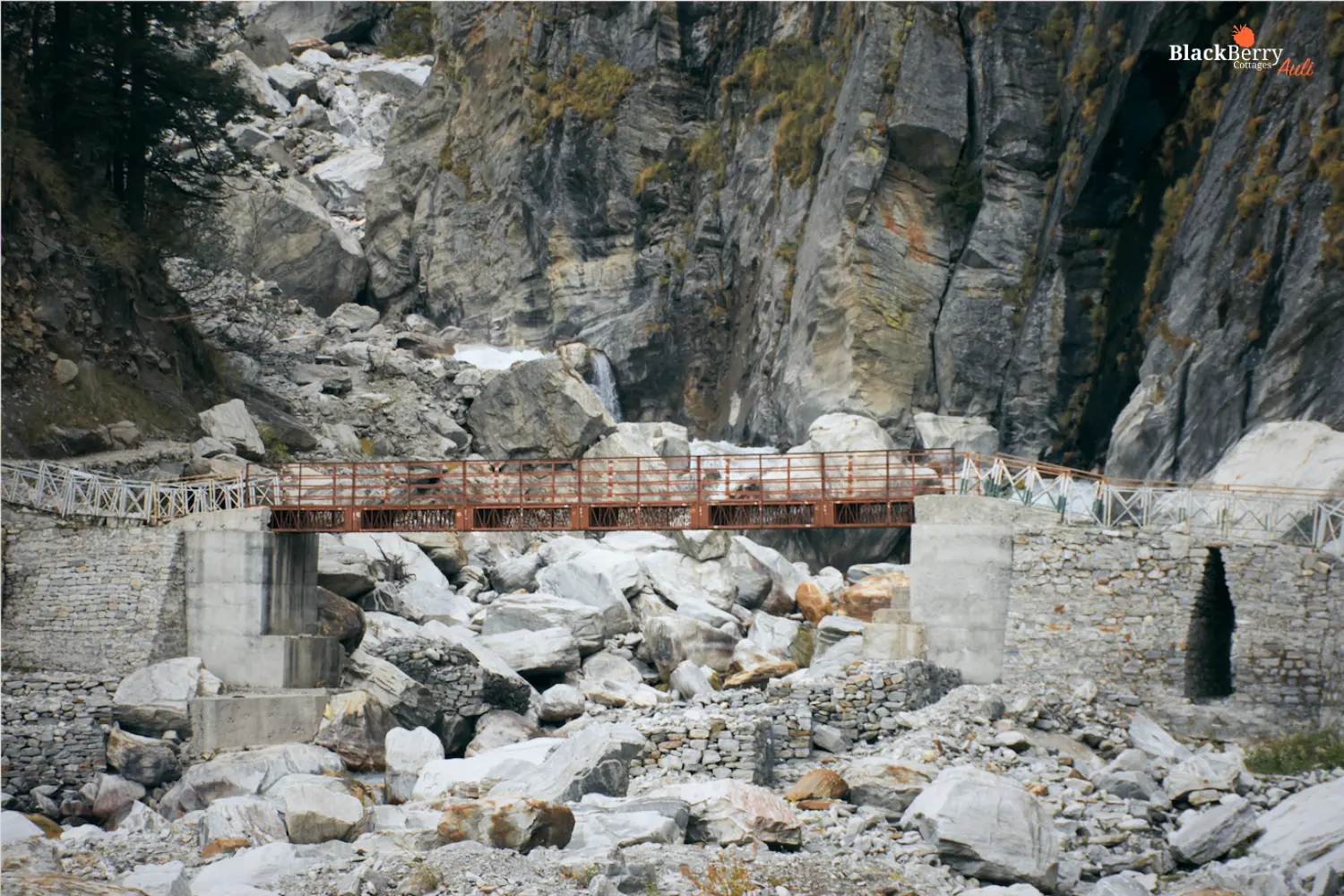
Trekking responsibly in the Valley of Flowers is crucial for preserving its pristine beauty. This UNESCO World Heritage Site thrives on its unique ecosystem. Thus, it is vital to minimize our impact on the environment.
Engaging with local communities enriches your trekking experience. Respect their customs, traditions, and lifestyles. This interaction not only supports the local economy but also fosters cultural exchange.
Adhering to eco-friendly practices ensures the preservation of this natural wonder for future generations. Simple actions such as carrying your waste, staying on designated paths, and avoiding disturbance to wildlife contribute significantly.
Key guidelines for responsible trekking include:
- Minimize waste; take trash back with you.
- Respect local cultures and traditions.
- Stay on marked trails to protect vegetation.
These practices help maintain the Valley of Flowers’ vibrant ecosystem.
Final Tips for Your Valley of Flowers Adventure
As you prepare for the Valley of Flowers trek, remember that it’s more than just a journey through nature. It’s a chance to step away from the bustle of everyday life and immerse yourself in the tranquility of the Himalayas.
Ensure your preparations include both physical and mental readiness. A positive mindset and respect for the environment will enhance your experience. Remember to leave no trace as you trek this stunning valley.
To make the most of your adventure, here are a few tips:
- Stay hydrated and energized with snacks.
- Capture memories but live in the moment.
- Engage with fellow trekkers and share experiences.
Let the vibrant colors of the flowers and the majestic peaks inspire you. This trek offers not only breathtaking views but also personal growth and reflection.
So lace up your boots, pack your bags, and get ready for an unforgettable adventure. The Valley of Flowers awaits, ready to offer its beauty and splendor to those who seek it with open hearts.
Frequently Asked Questions (FAQs)
What is the best time to trek to the Valley of Flowers?
The best time to visit is between July and early September. During this period, the flowers are in full bloom.
How long is the Valley of Flowers trek?
The trek is approximately a 38 km round trip. It is usually completed over four to six days.
Is the trek suitable for beginners?
The trek is of moderate difficulty. It suits those with a reasonable level of fitness and some trekking experience.
Are permits required for the trek?
Yes, permits are mandatory for entering the Valley of Flowers National Park. They can be obtained at the entry gate.
How can I reach the starting point of the trek?
The trek starts from Govindghat, accessible from Dehradun or Haridwar by road.
What are the accommodation options in Ghangaria?
Ghangaria offers guesthouses and lodges with basic amenities for trekkers.
Can the trek be combined with a visit to Hemkund Sahib?
Yes, Hemkund Sahib is a nearby pilgrimage site that trekkers often visit.
What should I pack for the trek?
Essentials include good trekking shoes, waterproof clothing, a first-aid kit, and ample water and snacks.
Is there any mobile network available during the trek?
Network coverage is limited; it’s best to arrange your communications in advance.
How can I ensure a safe trekking experience?
Prepare for weather changes, carry necessary gear, and adhere to safety guidelines for a secure trek.
