
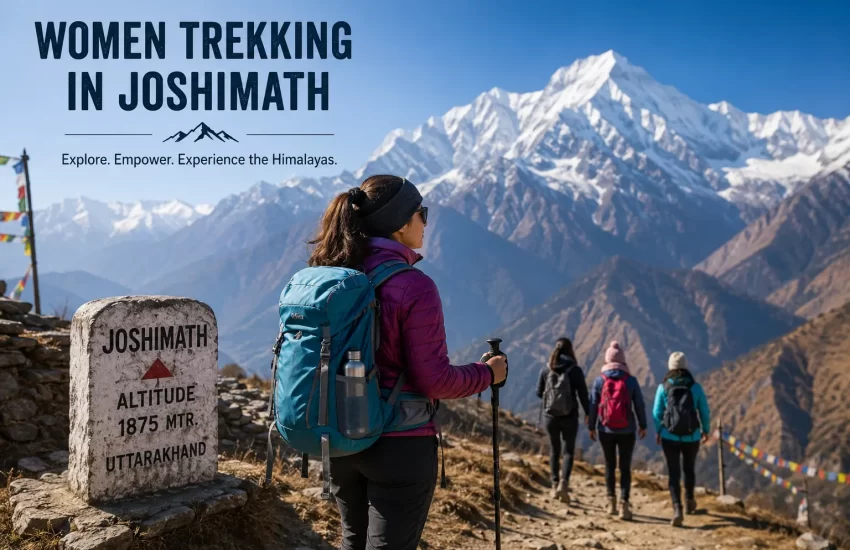
Sometimes a geography lesson is the only way in. Joshimath is the base for some of the most rewarding moderate treks in India — Kuari Pass, Pangarchulla, Gorson Bugyal, the approach to the Valley of Flowers — and every season, a growing number of women arrive here to do exactly what male trekkers have always done: walk into these mountains, alone or in a group, and see what the Garhwal Himalayas actually look like above the treeline. The questions this guide answers come up constantly, in almost the same words, from almost every woman planning this trip — is it safe, how do I choose a guide, and what is the trail actually like once I am on it. They deserve honest answers, not reassurance for its own sake.
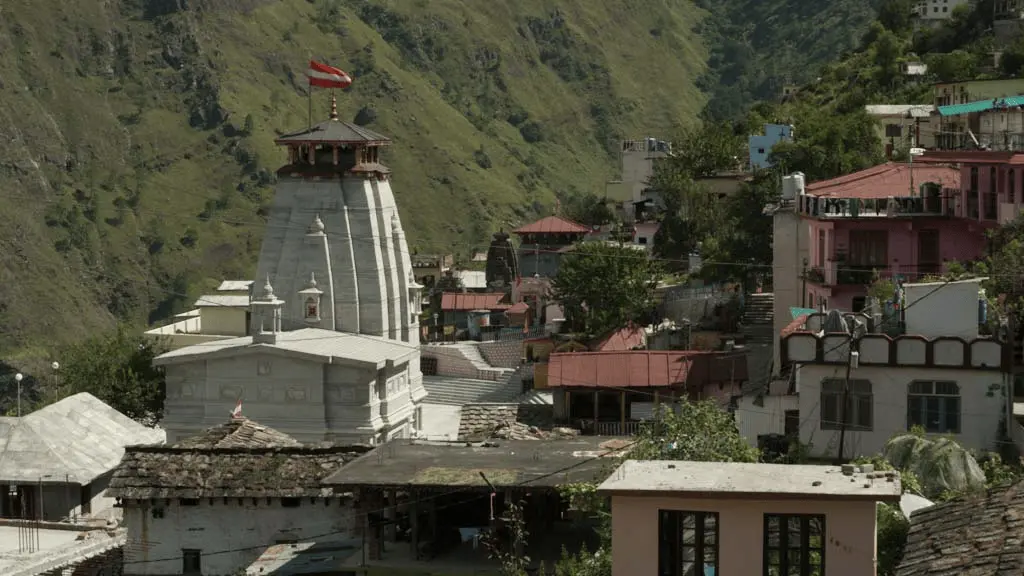
The honest answer, stated plainly and up front, is that trekking around Joshimath is a genuinely safe and increasingly common activity for women, including those trekking solo, provided you take the same sensible precautions that any trekker — of any gender — should take at altitude, and a small number of additional precautions that are specific to travelling as a woman in a rural mountain region. Neither half of that sentence should be dropped. The mountains are not more dangerous for you because you are a woman. The precautions worth taking are still worth taking.
This guide covers an honest read on safety, how to choose a guide or trek operator with women’s specific needs in mind, what the trail and camp experience are actually like day to day, the practical health and hygiene considerations worth planning for, and how to prepare properly for a trek from Joshimath as a woman, solo or in a group.
Women Trekking in Joshimath — At a Glance
| General safety level | High, with standard mountain and personal safety precautions |
| Solo female trekking | Common and generally well-supported on established routes |
| Guide or operator required | Recommended for Kuari Pass, Pangarchulla and Valley of Flowers; not required for Gorson Bugyal |
| Best beginner-friendly trek | Gorson Bugyal — 3 km, no permit, well-marked trail from the Auli cable car top station |
| Mobile connectivity on trail | Limited to none beyond Joshimath and Auli — plan accordingly |
| Camping arrangements | Shared but generally gender-considerate on established operator routes — confirm in advance |
| Menstrual health planning | Straightforward with preparation — covered in detail below |
Is It Safe? An Honest Answer
Yes, with the same qualifications that apply to any trekker. The routes around Joshimath — Kuari Pass, Pangarchulla, the approach to Valley of Flowers, and the easier Gorson Bugyal walk — are established, well-trodden trails used by trek operators, pilgrims and independent trekkers throughout the season, not remote or unmarked wilderness. The risks that exist are the same ones every trekker faces regardless of gender: altitude, weather, terrain and fitness. What is specific to travelling as a woman is less about the mountain itself and more about the logistics around it — who you are trekking with, how your accommodation and transport are arranged, and the ordinary precautions that apply to travelling through small towns and villages anywhere in India. None of this should be a reason to avoid the trip. All of it is worth planning for properly.
Choosing a Guide or Trek Operator
This is the single most consequential decision in the entire trip, more than fitness, more than gear, more than which specific trek you choose. A good operator changes almost every risk factor in your favour. Look for an operator with a track record specifically with women trekkers — ask directly how many women they have guided on the route you are considering, and expect a confident, specific answer rather than a vague reassurance. Ask about the gender composition of the trek and support staff, whether female trek leaders or support staff are available on request, and what the sleeping and camping arrangements look like specifically — shared tents, how groups are assigned, and whether solo women trekkers are grouped sensibly rather than left to negotiate this on arrival.
Read reviews specifically from women who have done the same trek with the same operator, not just overall ratings. A operator’s general reputation does not always reflect the specific experience of a solo woman on their trek, and this is exactly the detail worth digging for before you book.
What to Expect on the Trail
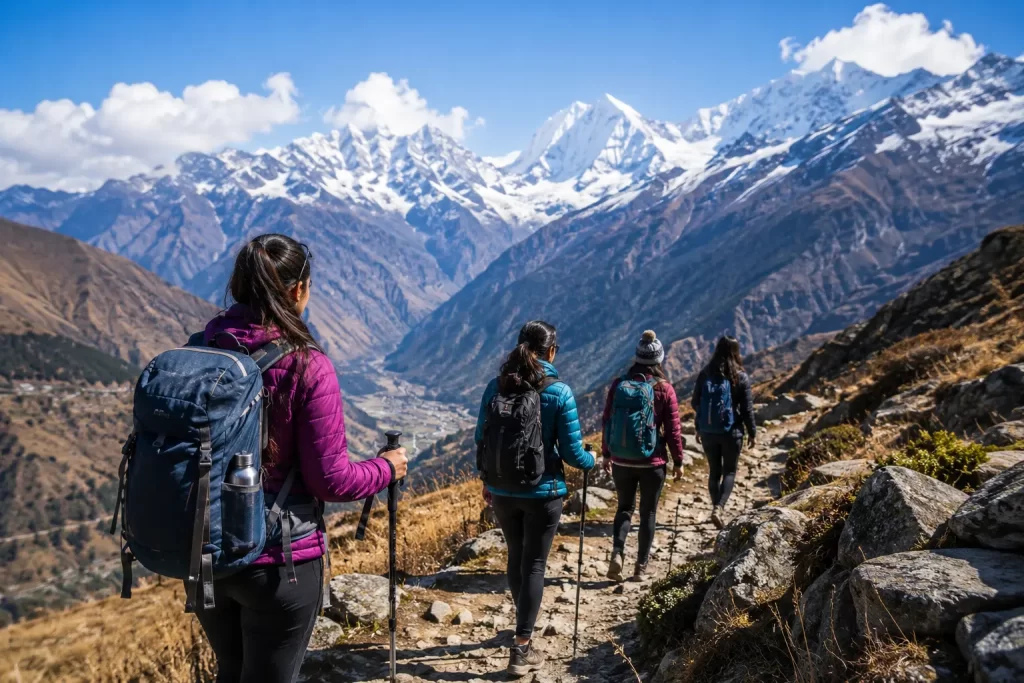
The physical experience of trekking near Joshimath does not differ by gender — the altitude affects everyone according to their own physiology, the terrain is what it is regardless of who is walking it, and the daily rhythm of a multi-day trek (early starts, a long walking day, camp in the afternoon, an early night) is the same for every trekker on the route. What does vary, and is worth knowing in advance, is the camp experience itself. On an organised trek, sleeping arrangements are typically grouped by gender within shared tents, toilet facilities on the trail are basic — a dug latrine or a designated area away from camp, not a facility in any conventional sense — and privacy for changing or washing requires the same informal courtesy every trekker extends to each other on a route with no other option. None of this is uniquely difficult for women, but it is worth knowing before your first night on the trail rather than discovering it then.
Porters and support staff on these routes are, almost without exception, professional and used to trekking groups that include women, including solo women trekkers. The overwhelming norm on established Garhwal trek routes is respectful, functional collegiality between trekkers and staff — this is a livelihood built on repeat business and reputation, and operators know it.
Health and Practical Considerations
Menstruating at altitude and on a multi-day trek is entirely manageable with preparation and is not, on its own, a reason to delay or avoid a trek. Carry more menstrual supplies than you think you will need, since restocking is not possible once you leave Joshimath. Menstrual cups are worth considering for a multi-day trek specifically because they reduce how much you need to carry and how often you need to manage waste disposal, which is genuinely more complicated on the trail than at home — carry sealable bags to pack out any waste, since leaving anything behind on these trails is both an environmental and a courtesy issue.
Altitude and exertion can affect cycle timing and flow for some women, which is normal and not itself a medical concern, though cramping combined with exertion at altitude is worth managing with the same painkillers you would use at home, packed in advance. If you are on hormonal contraception or have a condition that altitude specifically affects, the same advice applies as for any traveller — a conversation with your doctor before you go is worth having, and our altitude sickness guide covers the general acclimatization and health planning that applies to every trekker on these routes, women included.
Things to Do
Vet your operator specifically on their experience with women trekkers, not just their overall rating. A direct question — “how many women have you guided on this route, and what does the camp arrangement look like for them” — filters operators fast and tells you more than a star rating ever will.
Share your full itinerary with your accommodation before you leave for the trek. This is standard practice for every trekker, and doing it consistently means someone reliable knows your plan and your expected return date.
Trust your instincts about a guide, a driver or a situation, and act on that instinct without needing to justify it to anyone. If something about an arrangement does not sit right before your trek begins, changing it is always the better choice than proceeding anyway out of politeness.
Start with Gorson Bugyal if you are new to trekking in this region. It requires no guide, no permit, and gives you a genuine sense of the terrain, the altitude and the trail conditions around Joshimath before you commit to a longer, more demanding route like Kuari Pass or Pangarchulla.
Carry a physical, written emergency contact list, including your accommodation’s number, separate from your phone. Mobile signal disappears quickly once you leave Joshimath, and a phone that has died or lost signal should not be your only record of who to contact.
Things Not to Do
Assume every operator advertising online has been vetted the way their marketing suggests. Ask the specific questions above rather than taking a polished website at face value — this applies to every trekker, and matters more for a solo woman evaluating an unfamiliar operator from a distance.
Trek alone, off-route, on the higher and more exposed sections of Kuari Pass or Pangarchulla. These are not routes to improvise on solo without a guide, regardless of gender — the terrain, weather and altitude risk on the higher sections genuinely call for experienced support.
Ignore a guide or operator who makes you uncomfortable out of a wish to avoid conflict. A trek is not an obligation you owe anyone’s feelings. Raise the issue directly, involve your accommodation or the operator’s office if needed, and change the arrangement if it is not working.
Skip the acclimatization walk or rush the itinerary to save a day. This applies to every trekker, but the consequences of ignoring it are identical regardless of gender — altitude sickness does not discriminate, and a rushed itinerary is a genuine risk factor for everyone on the route.
OVERRATED
The idea that a large group is inherently safer for a woman than a smaller group with a genuinely good, vetted guide. Group size matters less than the quality and reputation of who is actually leading and supporting the trek. A small trek with an experienced, well-reviewed guide is a better bet than a large group with an operator you have not properly checked.
Fitness level as a substitute for proper acclimatization and preparation. This applies to every trekker of every gender, and it is worth repeating here specifically because women trekkers are sometimes given the impression that being “fit enough” is the main bar to clear. It is not. Pace, hydration and acclimatization matter more than raw fitness.
Assuming an all-women trekking group is automatically the safer or better choice over a well-run mixed group. Both can be excellent. Both can be poorly run. The operator’s actual track record matters far more than the gender composition of the group on its own.
Women Trekking Near Joshimath — Practical Logistics
| Beginner trek | Gorson Bugyal — 3 km, no permit, no guide required |
| Moderate trek requiring a guide | Kuari Pass, Pangarchulla — 5 to 6 days from Joshimath via Dhak village |
| Recommended acclimatization | 1 night in Joshimath minimum before any trek above 3,000 metres |
| What to pack specifically | Extra menstrual supplies, sealable waste bags, a written emergency contact list, layered clothing |
| Connectivity | Reliable in Joshimath’s main bazaar, limited to none on trek routes |
How Blackberry Cottages Supports Women Trekkers
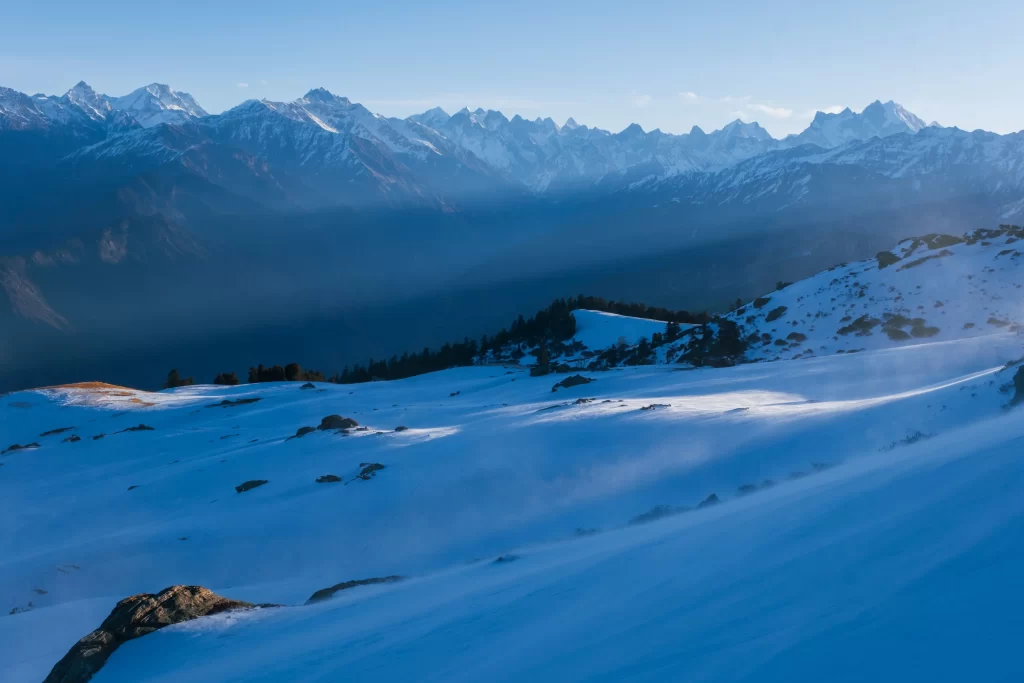
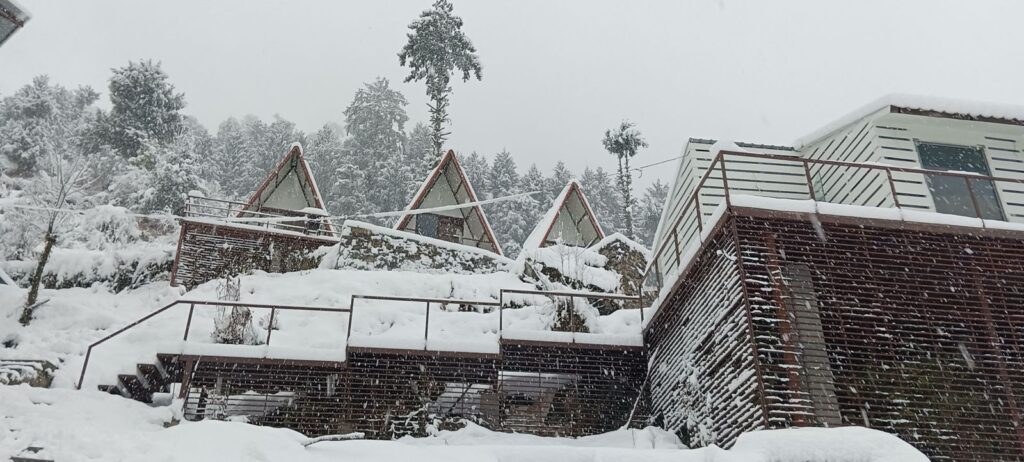
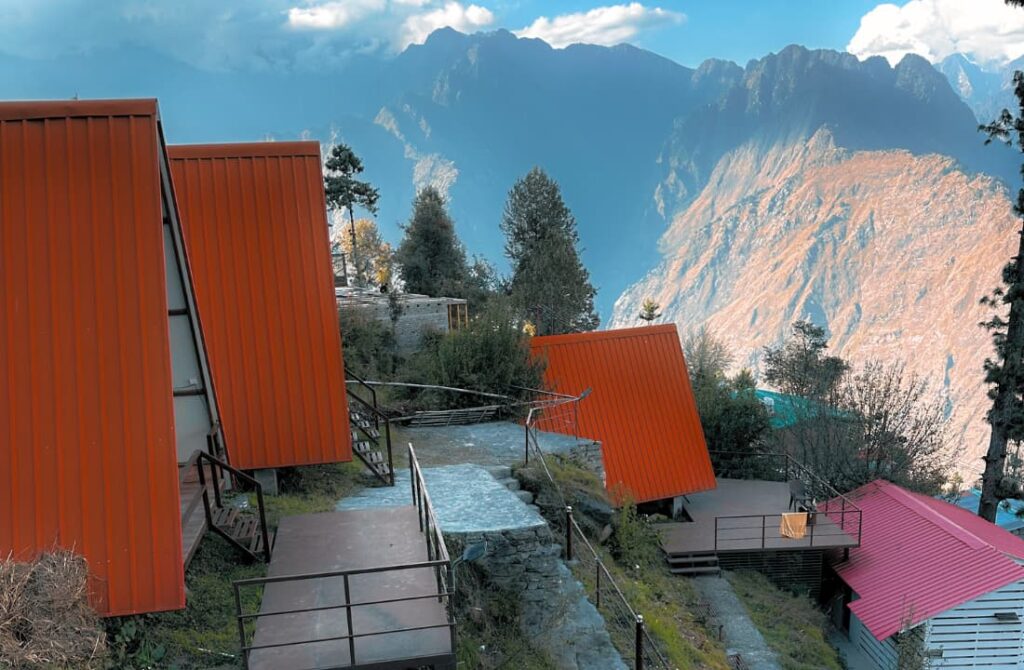
Blackberry Cottages & Resort has hosted women trekkers, solo and in groups, heading to every major route in the region, and our team can talk you through vetted local guides and operators, hold your extra luggage securely during your trek, and arrange a trailhead drop with a driver we know and trust. We keep in contact with guests during a trek where connectivity allows, and we are a reliable point of contact for anyone checking in on your behalf while you are on the trail. Our Kuari Pass guide and solo travel guide both cover related ground worth reading alongside this one, particularly if you are travelling and trekking solo.
If you are planning a trek from Joshimath and want a straight answer on operators, routes or logistics before you book anything, ask us. We would rather give you an honest, specific answer than let you find out the hard way that a booking did not match its marketing.
For guidance on operators, routes or trek-day logistics, reach us at blackberrycottagesauli.com or on WhatsApp.
