
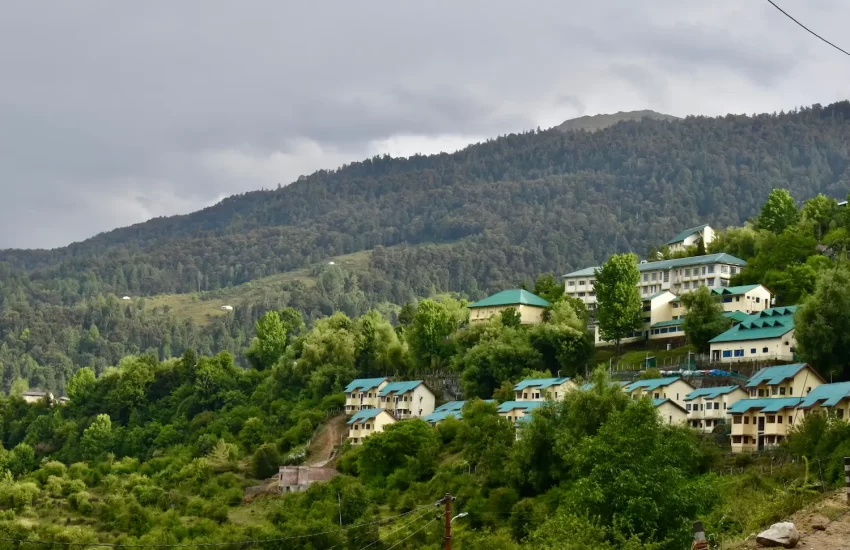
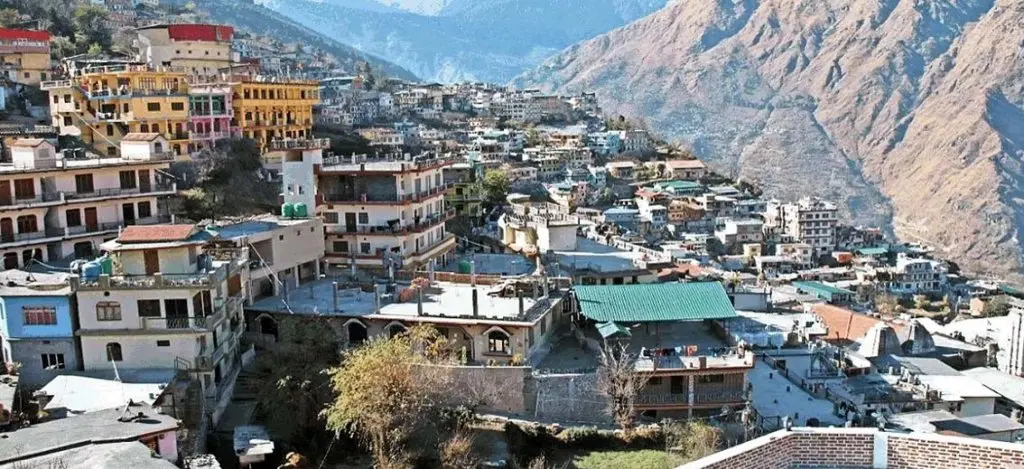
Sometimes a geography lesson is the only way in. Joshimath sits at 6,150 feet in the Chamoli district of Uttarakhand, cradled in the Garhwal Himalayas at the confluence of the Alaknanda and Dhauliganga rivers. It is the last proper town before Badrinath, the base for some of the finest trekking in India — Kuari Pass, Pangarchulla, Valley of Flowers, Nanda Devi Base Camp — and the bottom station for the cable car that rises to Auli’s ski slopes. In other words, it is the kind of place that rewards the journey enormously. The question is simply how to make that journey well.
There is no flight to Joshimath. There is no direct train. The road is the only way, and the road — winding up through the Alaknanda valley past Devprayag, Rudraprayag, Chamoli and the confluence towns — is one of the most beautiful drives in North India. The rivers below, the villages carved into the hillsides, the temples at every significant bend in the road, the mountains growing steadily larger as you climb — the journey to Joshimath is not the inconvenient part of the trip. It is the beginning of it.
THE ROAD TO JOSHIMATH IS NOT JUST THE WAY TO GET THERE. IT IS WHERE THE HIMALAYAS BEGIN TO INTRODUCE THEMSELVES. PAY ATTENTION. THE MOUNTAINS ARE TELLING YOU SOMETHING BEFORE YOU HAVE EVEN ARRIVED.
This guide covers every practical option for reaching Joshimath from Delhi, Dehradun and Rishikesh — by road, by train, by air, and the combinations that work best depending on your time, your budget and your appetite for the journey itself.
Joshimath — The Numbers at a Glance…
| Distance from Delhi | Approximately 497 km — 12 to 16 hours by road depending on route and stops |
| Distance from Dehradun | Approximately 253 km — 8 to 10 hours by road |
| Distance from Rishikesh | Approximately 253 km — 8 to 10 hours by road |
| Distance from Haridwar | Approximately 272 km — 9 to 10 hours by road |
| Nearest airport | Jolly Grant Airport, Dehradun — 298 km from Joshimath |
| Nearest railway station | Rishikesh — 253 km · Haridwar — 272 km |
| Road route | NH 7 via Devprayag, Rudraprayag, Karnaprayag, Chamoli, Pipalkoti |
| Altitude on arrival | 6,150 feet — your body will notice the change from the plains |
From Delhi to Joshimath…
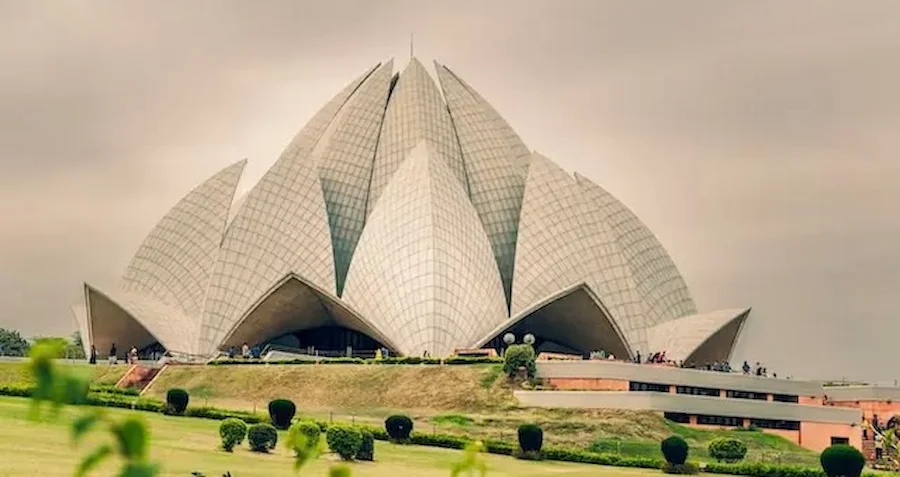
Delhi to Joshimath is a journey of approximately 497 kilometres and, depending on how you approach it, anywhere from 12 to 16 hours of travel. It sounds long. It is long. But it is also one of those journeys that changes character every two hours — the flat plains giving way to the Shivalik foothills, the foothills giving way to the proper Garhwal hills, the Garhwal hills deepening into the Himalayan valleys where the rivers run jade green and the road hugs the cliff face above them. By the time you reach Joshimath you have been through enough landscape to fill a travel journal on its own.
By overnight bus — the most popular option. Several operators run overnight buses from Delhi’s ISBT Kashmiri Gate directly to Joshimath, departing in the evening and arriving the following morning. GMOU (the government operator) and private operators including Uttarakhand Transport Corporation both run this route. The journey takes approximately 12 to 14 hours. You lose a night but gain a full day in Joshimath — which is exactly what you need for acclimatization before any trek or onward journey to Badrinath. Book in advance during peak season (May, June, September, October) as seats fill quickly.
By train to Haridwar or Rishikesh, then road — the most comfortable combination for most travellers. Delhi to Haridwar by train is 4 to 5 hours on the Shatabdi or Jan Shatabdi — multiple departures daily from New Delhi and Delhi stations. From Haridwar, shared jeeps and private taxis run to Joshimath — approximately 272 kilometres and 9 to 10 hours by road. Take the earliest train from Delhi to maximise your road travel in daylight, when the valley scenery is at its most rewarding and the driving conditions are at their most straightforward.
By private car or taxi — the most flexible option if comfort and pace matter to you. Delhi to Joshimath by private cab is a full day’s drive — budget 14 to 16 hours including stops, or break it overnight in Rishikesh or Rudraprayag. A private vehicle gives you the freedom to stop at the Prayags — Devprayag, Rudraprayag, Karnaprayag, Nandprayag — which are the confluences of the Himalayan rivers and among the most beautiful and spiritually significant spots on the entire route. Do not rush past them.
| Overnight bus | Delhi ISBT Kashmiri Gate → Joshimath · 12–14 hrs · departs evening · arrives morning · most economical |
| Train + road | Delhi → Haridwar by Shatabdi (4–5 hrs) → Joshimath by shared jeep or taxi (9–10 hrs) |
| Private cab | Delhi → Joshimath direct · 14–16 hrs · break overnight in Rishikesh recommended |
| Best option | Overnight bus if budget matters · train + road if comfort matters · private cab if flexibility matters |
From Rishikesh to Joshimath…
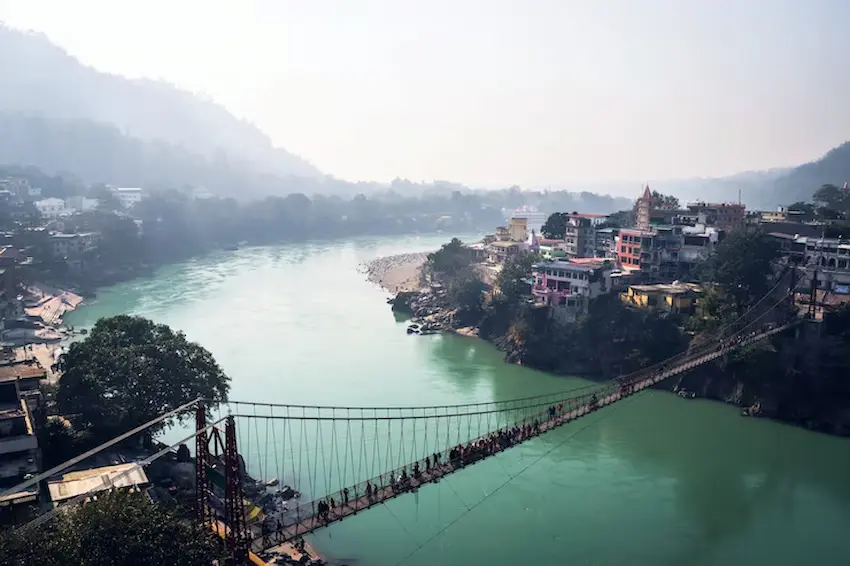
Rishikesh is where most travellers from Delhi or further afield consolidate before heading into the Garhwal Himalayas, and it is the most common departure point for the road to Joshimath. The 253 kilometre drive follows the Alaknanda river through the five Prayags — the sacred river confluences that mark the gradual deepening of the Himalayan landscape — and is one of the finest mountain road journeys in India. Allow the full day for it, leave early, and do not treat it as something to be endured on the way to the destination.
By shared jeep from Rishikesh — shared jeeps from Rishikesh bus stand depart for Joshimath from early morning, typically filling and leaving between 5 am and 7 am. The fare is considerably lower than a private taxi and the journey — packed in with other travellers, the windows fogging up as you climb, the driver navigating hairpin bends with practiced calm — is an authentically Garhwali experience. The journey takes 8 to 10 hours depending on stops and road conditions. Arrive at the bus stand early for a good seat.
By private taxi from Rishikesh — taxis for Joshimath are available from the Rishikesh taxi stand and through most hotels and guesthouses. The cost is significantly higher than the shared jeep but you control the pace — stops at Devprayag for the extraordinary confluence of the Bhagirathi and Alaknanda, a tea break at Rudraprayag, lunch at Karnaprayag if you want it. The journey takes 7 to 9 hours with stops. For families, first-time travellers to the Himalayas, or anyone for whom the scenery is the point, the private taxi is worth the premium.
By GMOU bus from Rishikesh — the government bus service runs to Joshimath from Rishikesh and is the cheapest option on this route. It is also the slowest — the buses stop at every significant settlement and the journey can stretch to 10 to 12 hours. If budget is the primary consideration and time is flexible, the GMOU bus is a genuine option. If you have a trek starting the next morning and need to arrive rested and in daylight, the shared jeep or private taxi is the better choice.
| Shared jeep | Rishikesh bus stand → Joshimath · 8–10 hrs · departs 5–7 am · most economical road option |
| Private taxi | Rishikesh → Joshimath · 7–9 hrs with stops · flexible pace · best for families and first-timers |
| GMOU bus | Rishikesh → Joshimath · 10–12 hrs · cheapest option · slowest option |
| Departure time | Leave Rishikesh by 6 am at the latest to arrive in Joshimath before dark |
From Dehradun to Joshimath…
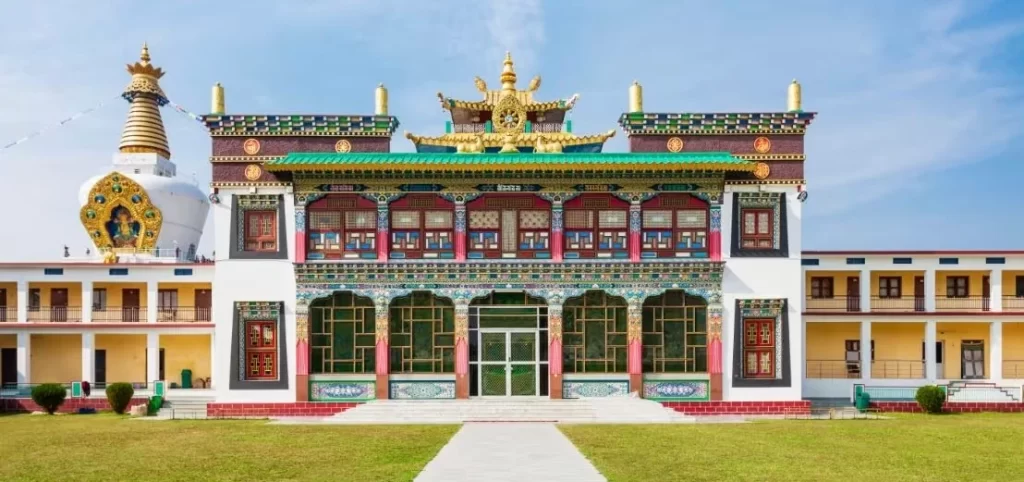
Dehradun is the entry point for travellers flying into the region — Jolly Grant Airport sits 20 kilometres from the city and receives daily flights from Delhi and several other major Indian cities. From Dehradun, Joshimath is approximately 298 kilometres and 9 to 11 hours by road. Most travellers flying in will take a cab from the airport directly toward Rishikesh or Haridwar, spending a night there before the mountain road the following morning. This is the sensible approach — the airport to Joshimath in one day is achievable but long, and a night in Rishikesh breaks the journey pleasantly.
By cab from Jolly Grant Airport — pre-booked cabs from Jolly Grant Airport to Joshimath are available through the airport taxi counter and online aggregators. The direct journey takes 9 to 11 hours. Most drivers will recommend a tea or lunch stop in Srinagar (Garhwal) at the halfway point, which is sensible — it breaks the journey and the Alaknanda views from Srinagar are worth the pause. Alternatively, cab to Rishikesh (1.5 hours from the airport), spend the night, and take a shared jeep or private taxi the following morning.
By train from Dehradun city — Dehradun railway station is well connected to Delhi and major cities. From the station, the journey to Joshimath follows the same route as from Rishikesh — taxi or shared jeep via the Alaknanda valley — adding approximately 45 minutes to the road journey compared to departing from Rishikesh. Haridwar, 55 kilometres from Dehradun, is also a major railhead with more frequent connections to Delhi and offers the same onward road options.
| Jolly Grant Airport to Joshimath | Approximately 298 km · 9–11 hrs · pre-book cab from airport |
| Recommended break | Night in Rishikesh between airport and Joshimath — breaks the journey and allows an early mountain start |
| Dehradun to Rishikesh | Approximately 45 km · 1–1.5 hrs · then follow Rishikesh to Joshimath route |
| Flights to Dehradun | Daily from Delhi (45 min) · IndiGo, Air India, SpiceJet operate this route |
The route itself — what you pass through…
The road from Rishikesh to Joshimath follows National Highway 7 through the Alaknanda valley and passes through some of the most significant and beautiful river confluences in the Garhwal Himalayas. These are not just pretty stopping points — they are places where rivers that have come from glaciers and high passes join together, where pilgrims have been pausing for centuries, and where the landscape tells you very clearly that you are entering a different world. Do not sleep through them.
Devprayag — the first and most sacred of the Prayags, where the Bhagirathi and Alaknanda rivers meet to form the Ganga. The confluence is dramatic — the Bhagirathi runs clear and the Alaknanda runs jade green and they merge in a swirl of colour that is visible from the road above and extraordinary up close. There is a small temple town here and the ghats above the confluence are worth fifteen minutes of your time. This is where the Ganga is officially born.
Rudraprayag — where the Mandakini, coming down from Kedarnath, meets the Alaknanda. The town sits at the confluence and is a significant junction on the Char Dham route — the road to Kedarnath branches left here. A good lunch stop, with several decent dhabas on the main road and the confluence visible from the bridge. Allow twenty minutes.
Karnaprayag — the confluence of the Alaknanda and Pindar rivers, named for Karna of the Mahabharata who is said to have performed tapasya here. The town is larger than Rudraprayag and a natural mid-journey stop. The market area has good tea and snacks and the ghat below the road is quieter than it looks from above.
Nandprayag — a quieter confluence town where the Nandakini meets the Alaknanda, often bypassed by travellers in a hurry. Worth a brief stop if you have the time — the confluence views are excellent and the town has a genuine unhurried quality that the busier Prayags do not always have.
Chamoli and Pipalkoti — the last significant towns before Joshimath, where the valley narrows and the mountains begin to feel properly close. Pipalkoti has good food stops and is the last place to buy anything you might have forgotten before Joshimath. The road from Pipalkoti to Joshimath — the final 30 kilometres — is when the Himalayas stop being a backdrop and start being everything around you.
Things to do on the journey to Joshimath…
Stop at Devprayag for the Ganga confluence — this is not optional if you have any interest in rivers, geography, mythology or simply extraordinary natural spectacle. The meeting of the Bhagirathi and Alaknanda is one of the finest river confluences in India and takes fifteen minutes to appreciate properly. Most drivers will stop if you ask. Ask.
Eat at a proper dhaba, not a highway restaurant — the Garhwal highway dhabas serve some of the finest simple food in the mountains. Aloo paratha with butter and pickle at 7 am in Rudraprayag, or dal and rice at a roadside dhaba in Chamoli at lunchtime, is the kind of eating that reminds you why travelling slowly and paying attention to the ordinary things is the whole point. The highway restaurants with their laminated menus are a different, considerably less interesting experience.
Watch for the point where the mountains change — somewhere around Karnaprayag or Chamoli the landscape makes a definitive shift. The hills stop being hills and become mountains in the proper sense. The valley narrows. The snow peaks appear on the horizon. The air changes. If you are paying attention, you will feel the moment it happens. It is one of the best moments of the entire journey.
Things not to do on the journey to Joshimath…
Leave Delhi or Rishikesh late in the day. The road through the Alaknanda valley is a mountain road — single lane in sections, with sharp bends, steep drops and the occasional vehicle coming the other way that requires one of you to reverse to a passing place. Driving it in the dark is possible and significantly less pleasant than driving it in daylight. Leave by 6 am from Rishikesh at the latest. If coming from Delhi, the overnight bus or a very early departure gives you daylight for the mountain section.
Drive in July and August without checking road conditions. The monsoon season brings landslides and rockfall to the Alaknanda valley road, sometimes closing it for hours or days at a stretch. Always check road conditions before you travel in July and August — the Uttarakhand tourism website and local news sources carry updates. Always build a buffer day into your itinerary during monsoon season. The road will open. The mountain is patient. You need to be too.
Arrive in Joshimath and immediately push on to Badrinath or start trekking. You have just arrived at 6,150 feet from near sea level after a 10 to 14 hour journey. Your body needs the night. A hot meal, an early sleep and the following morning to walk around Joshimath at altitude is not wasted time — it is the investment that makes everything that follows go well. The trekkers who acclimatize properly in Joshimath have better treks. The pilgrims who rest the night before Badrinath arrive at the temple in better spirits. One night. It changes the whole experience.
Underestimate the journey time. Google Maps will tell you Rishikesh to Joshimath is 6 hours. Google Maps does not account for the mountain road, the shared jeep stops, the queue at the Devprayag bridge, the lunch stop in Rudraprayag, the roadwork near Chamoli, or the truck that has parked at an inconvenient angle near Pipalkoti. Budget 8 to 10 hours from Rishikesh and be pleasantly surprised if it takes less. Budget 6 hours and be frustrated at every stop.
OVERRATED
Flying to Dehradun to save time. Jolly Grant Airport is 298 kilometres from Joshimath. The flight from Delhi is 45 minutes. The drive from the airport is 9 to 11 hours. You have saved perhaps 3 to 4 hours compared to taking the Shatabdi to Haridwar and driving from there — and you have paid significantly more for the privilege. For most travellers, the train to Haridwar or Rishikesh followed by the road is the better combination of cost, comfort and arrival time. Flying makes sense if you are very short on time or connecting from a city without a direct train.
The idea that the journey is just the price you pay to get there. The road from Rishikesh to Joshimath through the Prayags and the Alaknanda valley is one of the finest drives in North India. The five river confluences, the temple towns, the mountains appearing and deepening as you climb, the quality of light in the valley in the late afternoon — this is not the inconvenient part before the good part begins. This is already the good part. Treat it accordingly.
Staying at Blackberry Cottages & Resort on arrival…
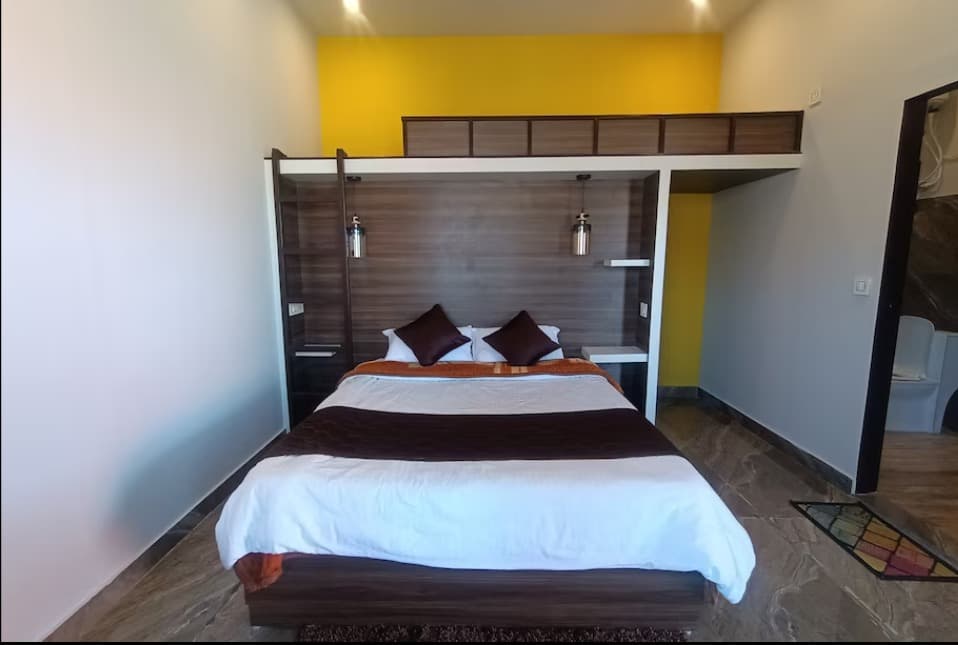
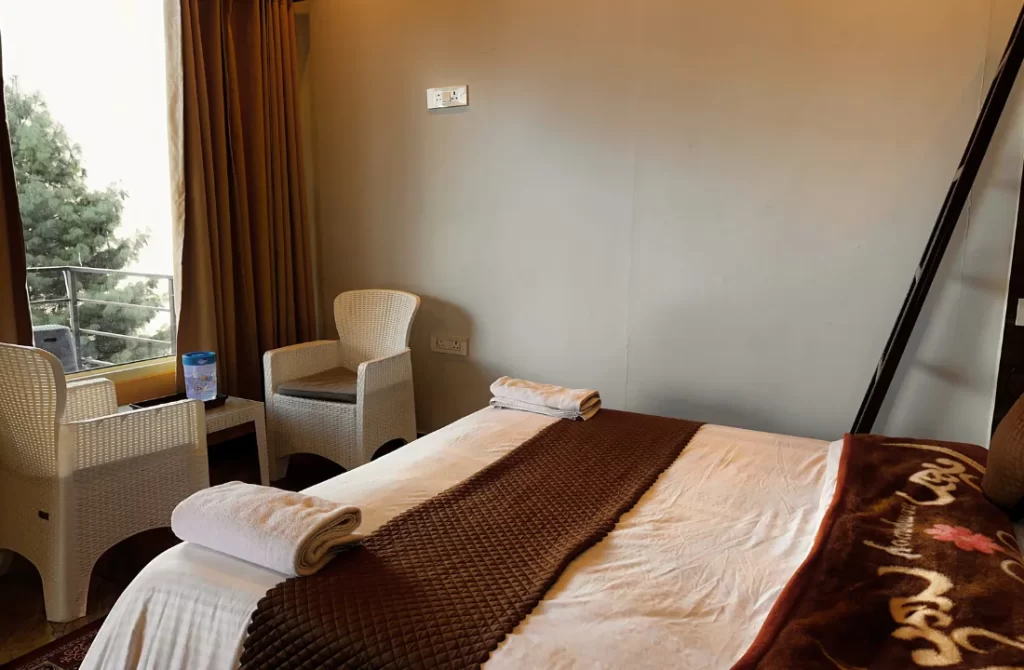
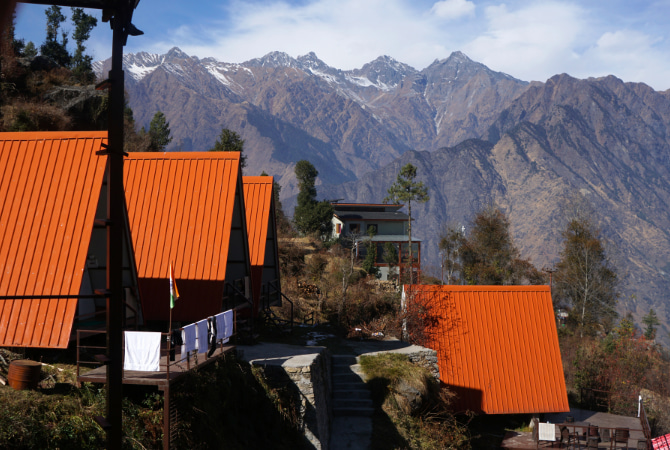
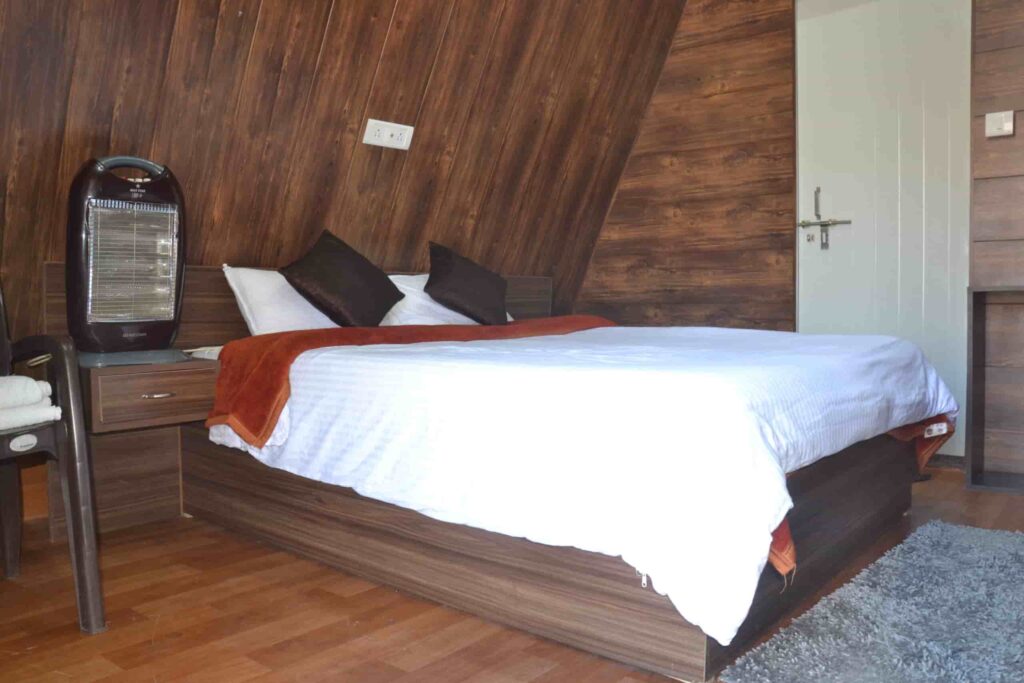
Blackberry Cottages & Resort is at Auli Laga, Joshimath — your first proper base after the long journey from Delhi, Dehradun or Rishikesh. We are a short distance from the main bazaar, close to the Narsingh Bhagwat temple, and at the cable car base for Auli. Hot dinner on arrival, a warm room at 6,150 feet, and a team that knows the road conditions, the trekking routes, and the Badrinath timings across every season.
Whether you are continuing to Badrinath the next morning, starting a trek to Kuari Pass or the Valley of Flowers, or simply spending a few days in Joshimath and Auli — we are where the journey properly begins. The road brings you here. We take care of everything from this point.
THE JOURNEY TO JOSHIMATH IS LONG AND IT IS BEAUTIFUL AND IT ENDS AT 6,150 FEET WITH THE HIMALAYAS ON EVERY SIDE. ARRIVE, EAT, SLEEP, ADJUST. THE MOUNTAINS WILL STILL BE THERE IN THE MORNING. THEY HAVE BEEN WAITING CONSIDERABLY LONGER THAN YOU HAVE.
Check availability and plan your arrival at blackberrycottagesauli.com or reach us on WhatsApp.
